2026 Top Landscape Artificial Grass Trends You Should Know?
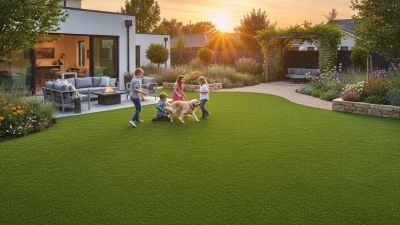
In recent years, the demand for Landscape Artificial Grass has surged dramatically. According to the 2023 Global Artificial Grass Market Report, this industry is expected to grow by over 10% annually. Homeowners and businesses seek sustainability and low maintenance solutions, propelling the popularity of synthetic turf.
As we look ahead to 2026, several trends are shaping this landscape. One notable trend is the increasing focus on environmentally friendly materials. Eco-conscious consumers are driving innovation in this field. Manufacturers are incorporating recycled materials into their products, which may address waste issues but requires careful sourcing and processing.
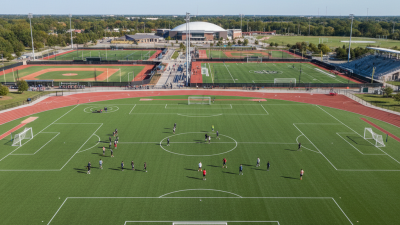
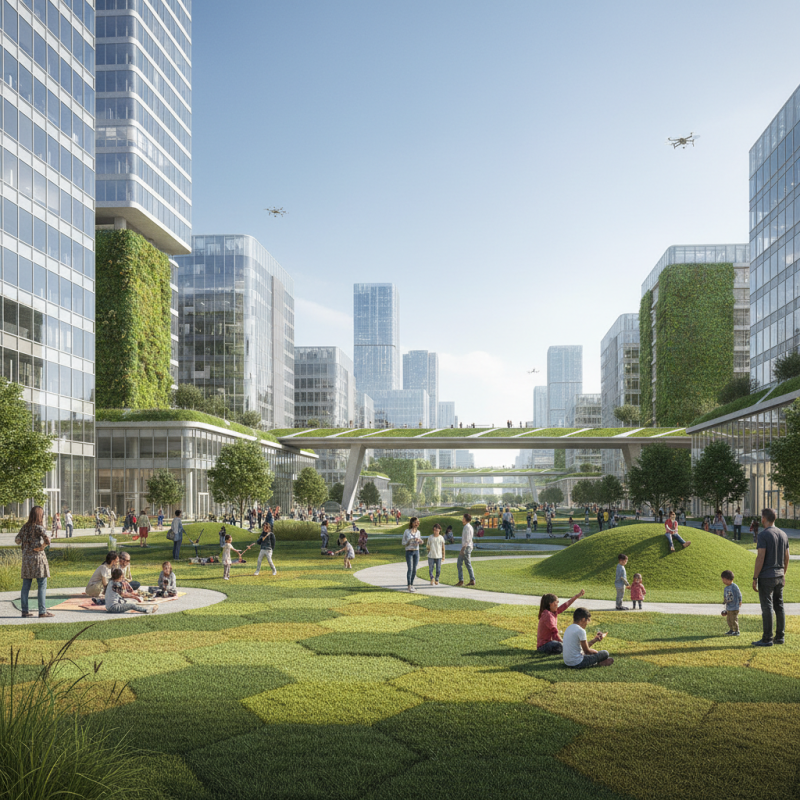
Another key trend involves the growing use of Landscape Artificial Grass in urban areas. Cities recognize the benefits of green spaces in combating heat island effects. However, some urban planners face challenges in integrating synthetic options effectively. Not all products perform equally well in diverse climates, leaving room for improvement. These areas are just the beginning of what to expect in the ever-evolving world of Landscape Artificial Grass.
Emerging Technologies in Artificial Grass Production for 2026
The artificial grass industry is evolving rapidly, driven by emerging technologies that promise to redefine landscape aesthetics. In 2026, new production techniques will focus on sustainability. Biodegradable materials will soon replace traditional components, minimizing environmental impact. This shift shows promise but raises questions about durability and long-term use.
Another technological advancement is in the fiber creation process. Innovations in extruding techniques will produce more realistic turf textures. This improvement will mimic natural grass more closely. However, will these advancements hold up under varying weather conditions? Some initial tests suggest they might, yet further research is needed.
Additionally, smart technology integration will change how we interact with artificial grass. Sensors embedded within the turf can monitor temperature and moisture levels. This could lead to better maintenance routines. But can consumers trust this technology to deliver accurate data consistently? As we explore these trends, it's essential to remain critical and acknowledge potential shortcomings.
2026 Top Landscape Artificial Grass Trends You Should Know
| Trend |
Description |
Emerging Technology |
Sustainability Aspect |
| Smart Turf |
Artificial grass integrated with smart sensors for moisture and temperature control. |
IoT Sensors |
Reduces water usage through efficient irrigation management. |
| Recyclable Grass |
Grass products that can be fully recycled at the end of their life cycle. |
Closed-loop Production |
Promotes circular economy principles. |
| Eco-friendly Materials |
Use of natural fibers and non-toxic materials in grass production. |
Biodegradable Plastics |
Lowers environmental impact. |
| Advanced Drainage Systems |
Improved water drainage solutions to prevent flooding on synthetic lawns. |
Permeable Base Layers |
Enhances water management and conservation. |
| Aesthetically Adaptive Grass |
Artificial grass that changes shade based on environmental conditions. |
Color-Changing Technology |
Encourages beauty in landscaping while maintaining functionality. |
Sustainable Practices Driving Landscape Artificial Grass Trends
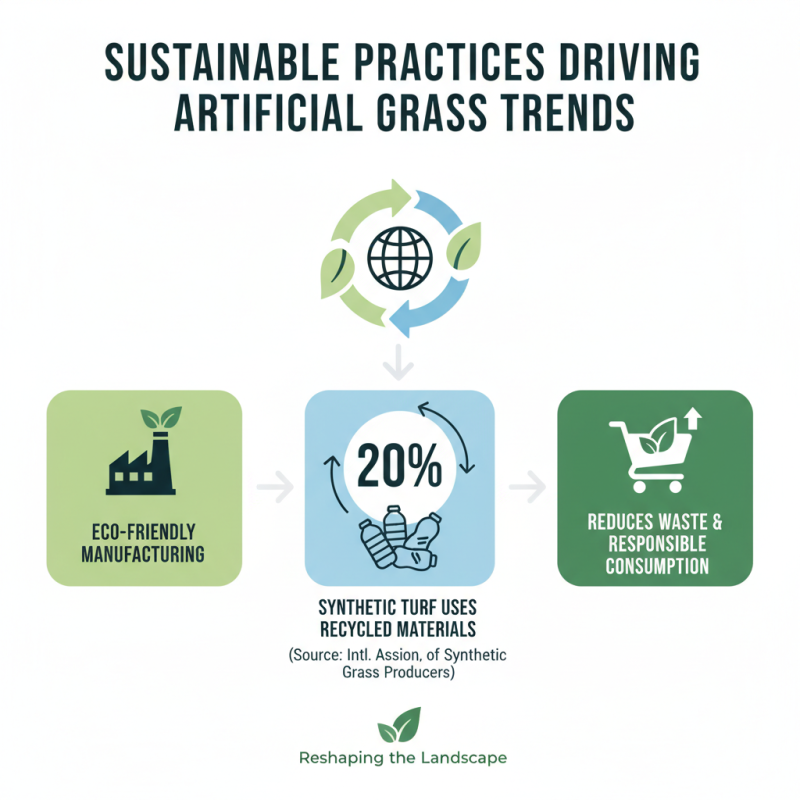
Sustainable practices are reshaping the landscape artificial grass industry. A growing number of companies now focus on eco-friendly manufacturing processes. According to a report by the International Association of Synthetic Grass Producers, about 20% of synthetic turf products now use recycled materials. This shift not only reduces waste but also encourages responsible consumption.
Water conservation is another significant driver of these trends. Artificial grass can save homeowners up to 55 gallons of water per square foot each year. This is crucial as regions face increasing droughts. In many areas, natural lawns require extensive irrigation. That practice is not sustainable. As climate change intensifies, the demand for water-efficient solutions grows.
However, the industry still faces challenges. Some artificial grass products may pose environmental risks, such as microplastic pollution. These concerns are forcing manufacturers to innovate. The future may lie in developing biodegradable options or grass that can be recycled. As the market evolves, it’s vital to balance aesthetics and sustainability.
Customization Options for Residential and Commercial Spaces
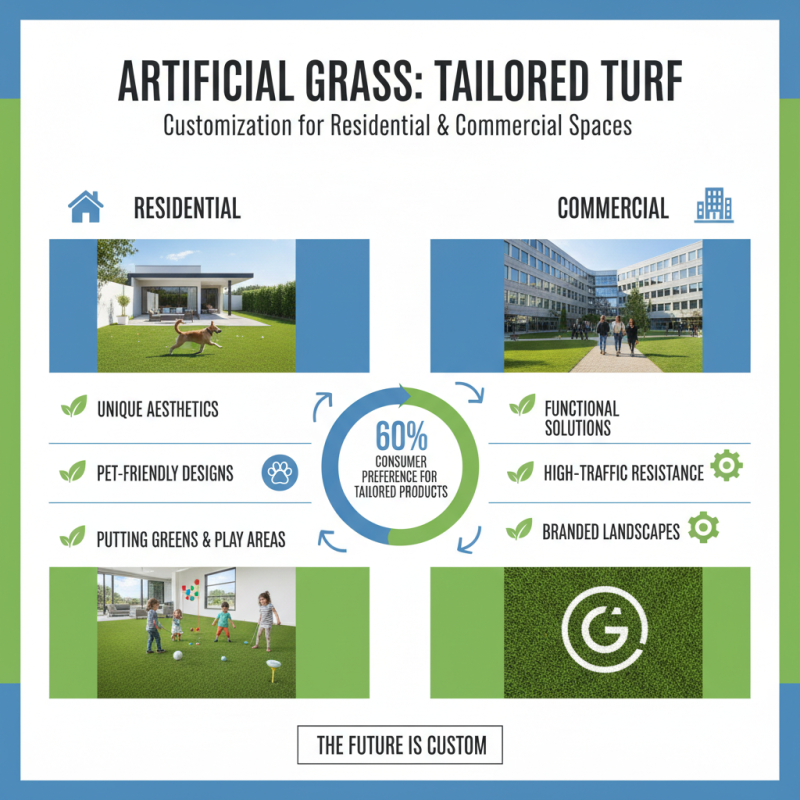
As landscape artificial grass gains popularity, customization becomes vital for residential and commercial spaces. Homeowners desire unique aesthetics, while businesses want functional solutions. Reports indicate that 60% of consumers prefer tailored products for their outdoor areas. This trend shapes how we view synthetic turf.
Customization options include color, texture, and blade height. For instance, residential lawns may feature softer blades for a family-friendly vibe. Meanwhile, commercial installations often opt for more robust variations that withstand heavy foot traffic. These choices enhance visual appeal and improve durability. Consider using contrasting colors to define different zones in larger spaces.
Tips for customization: Evaluate local climate conditions. Warmer regions may require more UV-resistant options. Additionally, tailor the installation process to the specific needs of the area. Always factor in maintenance ease when choosing products. As the artificial grass market evolves, understanding these dynamics can help create outstanding environments. Don’t overlook the importance of these decisions. They could determine long-term satisfaction.
Innovative Design Ideas for Artificial Grass Applications
Innovative design ideas for artificial grass applications have taken the landscaping world by storm. From residential yards to commercial spaces, the versatility of synthetic turf continues to impress. Installing artificial grass is no longer just about having a green lawn. It's now about creating functional, aesthetic spaces that enhance everyday life.
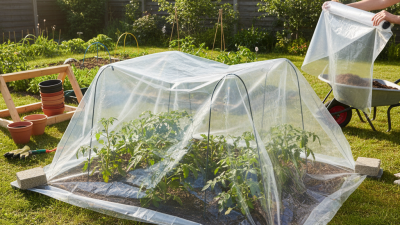
Imagine a backyard transformed into a vibrant outdoor living area. A combination of artificial grass and natural stone creates a chic, low-maintenance patio. Consider integrating raised garden beds within the synthetic turf. This design invites creativity while allowing for real plant life to thrive. Additionally, the juxtaposition of grass and hardscaping elements adds visual intrigue.
There are challenges, though. Some homeowners may struggle to make artificial grass blend seamlessly with surrounding elements. The surface can sometimes feel too uniform, lacking character. Regular updates and occasional adjustments are necessary to keep the area feeling fresh and unique. Thoughtful designs counteract these issues, ensuring that spaces don’t simply look good but also function well for varied activities.
2026 Top Landscape Artificial Grass Trends
Health and Safety Considerations in Choosing Artificial Grass Materials
When selecting artificial grass materials, health and safety should be top priorities. Many homeowners focus on aesthetics. However, what's beneath the surface matters greatly. Some artificial grasses may contain harmful chemicals. It's essential to investigate these materials thoroughly.
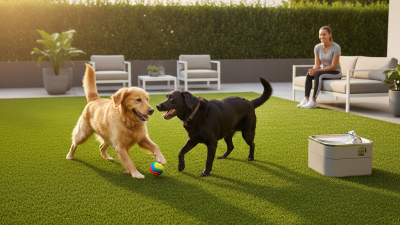
The environmental impact is another key factor. Not all artificial grass is created equal. Some options release microplastics. These can pollute soil and waterways. Choosing a safer option can help mitigate this risk. Look for materials that are labeled safe for children and pets. Certifications can guide buyers toward healthier choices.
It's also crucial to consider the maintenance of the grass. Certain types require toxic chemicals for upkeep. These not only pose health risks but can also affect the environment. Opt for low-maintenance varieties that require fewer chemicals. This choice fosters a healthier outdoor space. Making informed decisions can lead to a safe, beautiful landscape.

 +86 19005411400+86 15006803065
 Contact Phone
 Contact Email