What is Artificial Turf Lawn and Why Choose It?
Artificial Turf Lawn has gained increasing popularity in recent years. According to the Synthetic Turf Council, the market for artificial turf is projected to reach $5.9 billion by 2027. This growth reflects a rising interest in durable and low-maintenance landscaping options. Homeowners and businesses are drawn to artificial turf for its lush appearance and resilience.
One key advantage of an Artificial Turf Lawn is water conservation. Reports show that switching to synthetic grass can save up to 56,000 gallons of water per year for an average-sized lawn. Additionally, it requires minimal upkeep. No mowing or fertilization means lower costs and reduced environmental impact. However, some still question its long-term durability and the initial investment required.
Despite its advantages, concerns remain about heat retention and materials used. Some artificial turfs can become uncomfortably hot in summer. Potential buyers should weigh these factors carefully. Understanding the benefits and limitations of an Artificial Turf Lawn is essential for making an informed decision. It is recommended to consult with experts and review performance data before purchasing.
What is Artificial Turf Lawn?
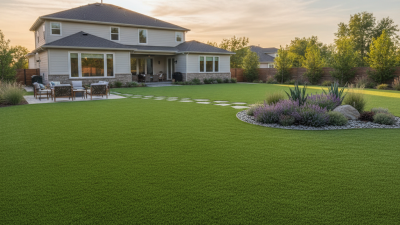
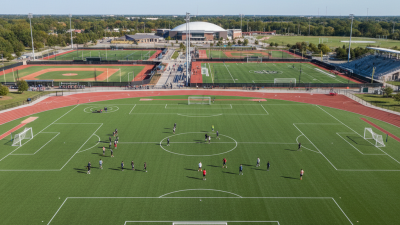
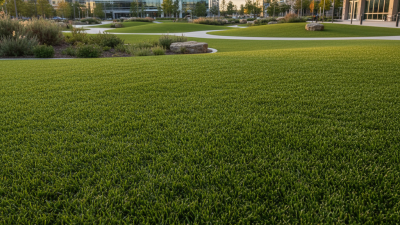
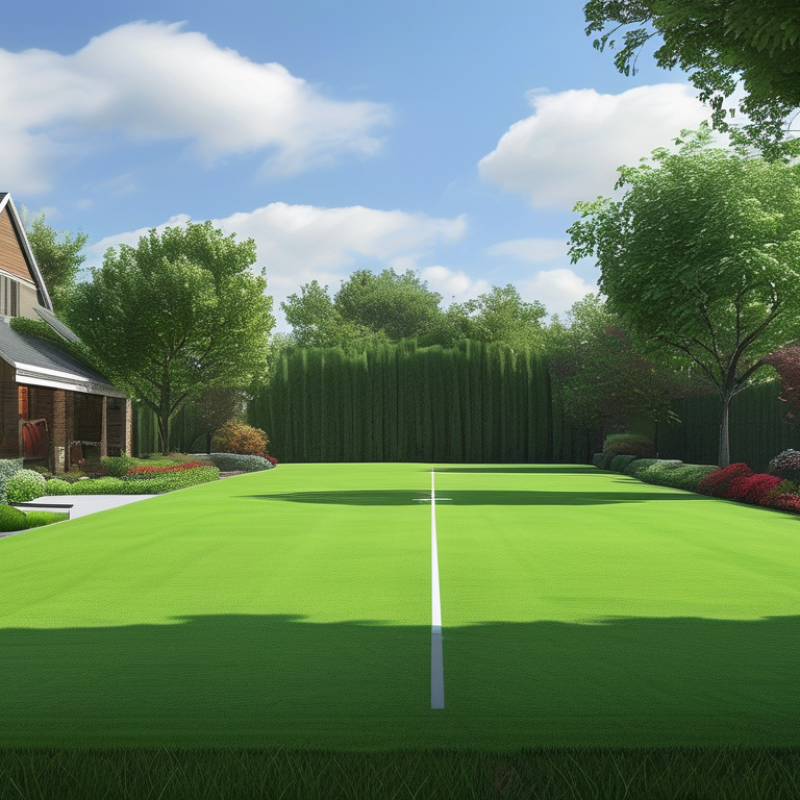
Artificial turf lawn is an innovative substitute for traditional grass. Made from synthetic fibers, it mimics the look of natural grass. People are increasingly interested in this option due to its many benefits. This type of lawn is often seen in sports fields and front yards. It reduces the need for water and constant maintenance, making it appealing to busy homeowners.
Choosing an artificial turf lawn has several advantages. For one, it can withstand heavy foot traffic. Families with children or pets will appreciate its durability. Additionally, it remains vibrant throughout the year. There is no need for fertilizers or pesticides, which can be harmful to the environment. However, some may worry about its impact on temperature. Artificial turf can get hot in direct sunlight, which might not be comfortable for bare feet.
While artificial turf offers many solutions, it also has drawbacks. The installation process can be costly, and replacing it involves significant effort. Some homeowners might not like the feel of artificial grass underfoot compared to real grass. It's essential to weigh these pros and cons. Each lawn’s needs are unique, leading to different choices for different families.
Comparison of Artificial Turf Lawn Benefits vs. Natural Grass Lawn
The Composition and Structure of Artificial Turf
Artificial turf lawns consist of synthetic fibers designed to replicate natural grass. Their composition usually includes polyethylene or polypropylene materials, giving them a soft and durable surface. The structure often features multiple layers: a backing layer for drainage and stability, infill materials like sand or rubber, and the grass blades themselves. This multilayer design enhances the turf's resilience against wear and tear.
The durability of artificial turf is evident in its construction. When installed properly, it can withstand heavy foot traffic and various weather conditions. However, some drawbacks exist. Over time, the infill can become compacted, reducing shock absorption. This can lead to a hard surface that may not be as forgiving as natural grass. Regular maintenance is essential to mitigate these issues.
The initial installation cost can be an obstacle for some. While artificial turf requires less water and fewer chemicals than natural lawns, those first expenditures can be daunting. Property owners should weigh these factors against the long-term benefits of lower maintenance needs and a consistently green appearance. Each lawn's unique conditions should inform the decision-making process.
What is Artificial Turf Lawn and Why Choose It? - The Composition and Structure of Artificial Turf
| Dimension |
Details |
| Material |
Polyethylene, Polypropylene, Nylon |
| Structure |
Backing layer, drainage layer, infill layer, turf fibers |
| Durability |
Lasts 10-15 years under normal usage |
| Maintenance |
Low maintenance, no mowing, minimal watering |
| Environmental Impact |
Reduced water usage, recyclable materials available |
| Cost |
Higher initial investment, lower long-term costs |
| Applications |
Residential lawns, sports fields, playgrounds |
Key Benefits of Choosing Artificial Turf Over Natural Grass
Artificial turf lawns have gained popularity for various reasons. They offer numerous benefits compared to natural grass. Homeowners often choose artificial turf for its durability, low maintenance, and eco-friendliness.
One major benefit is time savings. Natural grass requires regular mowing, watering, and fertilizing. In contrast, artificial turf needs minimal upkeep. It doesn't grow, so you won’t spend weekends cutting it. This can free up valuable time for family or hobbies. However, it’s crucial to ensure the turf is installed correctly to avoid future issues.
Another key advantage is water conservation. In regions with water shortages, artificial grass remains a sustainable choice. It doesn’t require irrigation, which helps save water. Moreover, it stays green year-round, regardless of weather conditions. For those with children and pets, artificial turf provides a safe play area without mud or allergens. Yet, it's important to consider the heat absorption of synthetic materials during summer months.
Tips for selecting the right artificial turf include checking the pile height and density. Thicker turf feels more realistic and durable. Look for options that are UV resistant to prevent fading. Additionally, consider the drainage system. Proper drainage will protect against pooling water after rain. Always seek expert advice to ensure your investment lasts.
Environmental Considerations with Artificial Turf
Artificial turf lawns have gained popularity for their durability and low maintenance. However, it's essential to examine their environmental impacts. While artificial turf requires no water and no fertilizers, it raises significant concerns regarding sustainability.
One major issue is heat retention. Artificial turf can absorb and hold heat, causing higher temperatures in surrounding areas. This can lead to discomfort during hot months. Additionally, the production of synthetic materials involves petrochemicals, which contribute to greenhouse gas emissions. Disposal also poses a challenge, as many turf products are not recyclable.
Moreover, the ecological effects extend to local wildlife. Natural grass environments support diverse ecosystems. On the other hand, artificial turf habitats lack the same biodiversity. It’s important to reflect on these factors when considering a switch to synthetic lawns. While they may seem appealing for maintenance ease, the environmental compromise can be significant. Careful consideration can lead to better choices for both personal enjoyment and ecological health.
Maintenance and Long-Term Care for Artificial Turf Lawns
Maintaining an artificial turf lawn requires attention but is less demanding than natural grass.
Regular brushing helps keep the blades upright. Rinsing the turf occasionally is crucial,
especially after heavy use. This not only removes dust and debris but also minimizes odors from pet waste.
Occasional infill replenishment is essential. It supports the turf structure and enhances its lifespan.
Make sure to inspect for any signs of wear, such as thinning patches or uneven surfaces.
Repairing these areas promptly can prevent larger issues later on.
In summer, be mindful of heat. Artificial turf can get hot, affecting its appearance and safety. Applying a cooling agent might be necessary, especially in high-temperature areas.
The overall care is straightforward but does require regular checks to ensure an inviting and functional landscape.

 +86 19005411400+86 15006803065
 Contact Phone
 Contact Email