Iquiry Now
Leave Your Message

Top 10 Benefits of Artificial Lawn Grass Turf for Buyers?

Artificial Lawn Grass Turf has gained popularity among homeowners and commercial property owners alike. This innovative product offers a range of benefits that can enhance outdoor spaces. Its durability and aesthetic appeal make it an attractive option for those seeking low-maintenance landscaping solutions.

One significant advantage is the environmental impact. Artificial turf conserves water and reduces the need for harmful pesticides. Additionally, it provides a consistent, lush appearance throughout the year, regardless of changing weather conditions. Buyers appreciate the reduction in lawn care costs and the time saved on maintenance tasks.

However, potential buyers should also reflect on the long-term implications. The installation of artificial lawn grass turf requires an initial investment. While it offers various advantages, some may find the transition from natural grass challenging. Understanding both the benefits and drawbacks can lead to a more informed decision, ensuring that this choice meets individual needs and expectations.
Top 10 Benefits of Artificial Lawn Grass Turf for Buyers?

The Advantages of Artificial Lawn Grass Turf in Water Conservation

Top 10 Benefits of Artificial Lawn Grass Turf for Buyers?

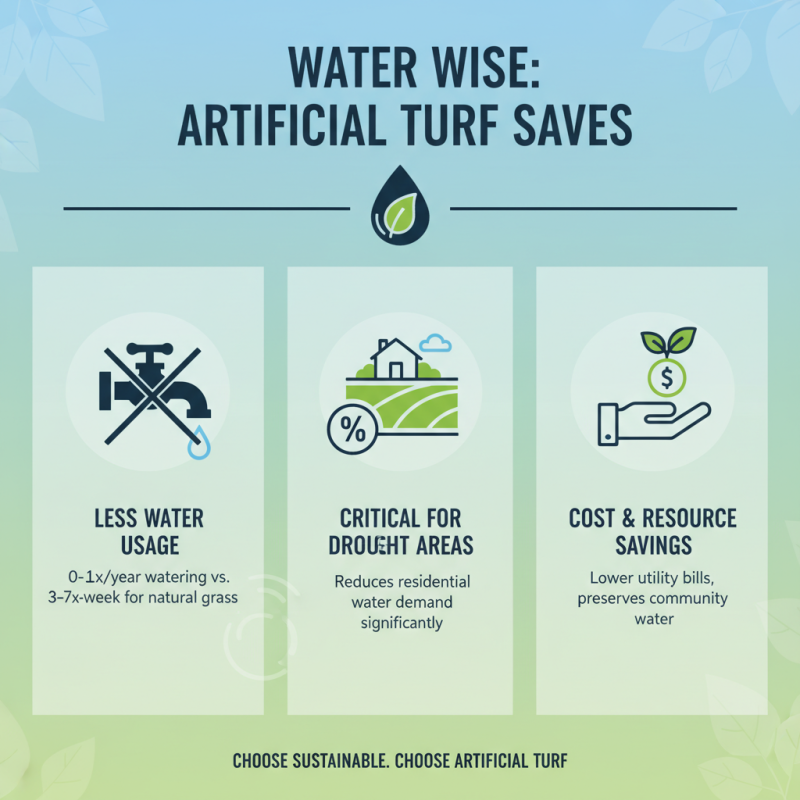
Artificial lawn grass turf offers significant advantages for water conservation. Natural grass requires a substantial amount of water to maintain its vibrant green color. In contrast, artificial turf needs little to no water. This drastic reduction is essential in regions facing water scarcity. With water usage becoming a critical concern, homeowners can play a role in conservation simply by choosing synthetic options.

Moreover, artificial turf eliminates the need for fertilizers and pesticides. These chemicals can contaminate local water supplies. By reducing or eliminating their use, we help protect ecosystems and reduce pollution. The long lifespan of artificial grass also means fewer resources spent on replacements. This contributes positively to environmental sustainability.

However, some may worry about heat retention. Artificial turf can get hot under direct sunlight. This issue prompts homeowners to consider proper maintenance and shade solutions. By acknowledging these challenges, buyers can make informed decisions. They can enjoy a beautiful outdoor space while contributing to water conservation efforts.
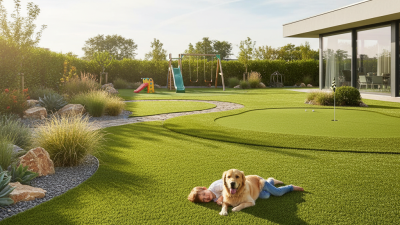
Cost Savings Over Time: A Detailed Financial Analysis for Buyers

Top 10 Benefits of Artificial Lawn Grass Turf for Buyers?

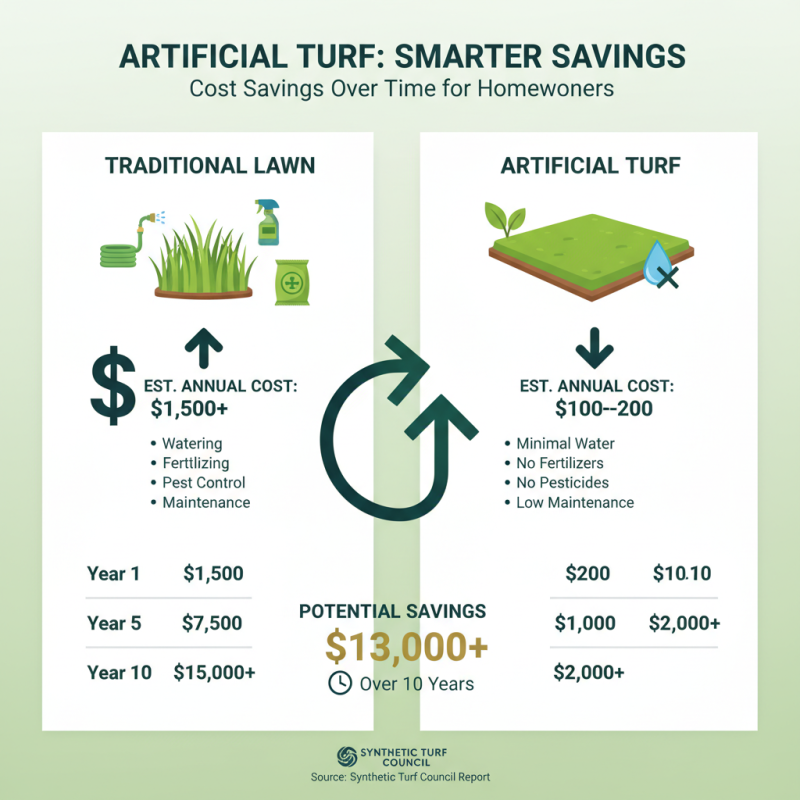
Artificial lawn grass turf offers impressive cost savings for homeowners. Over time, maintaining a natural lawn incurs significant expenses. A well-cited report from the Synthetic Turf Council indicates that annual lawn care costs can exceed $1,500. This includes watering, mowing, fertilizing, and pest control. Switching to artificial turf can drastically reduce these costs.

Initial installation might seem costly, averaging between $5 to $15 per square foot. However, homeowners often recover these expenses within five years. A 2022 study found that buyers can save up to 70% on water usage, leading to a more sustainable landscape. Additionally, synthetic lawns require no chemicals, minimizing environmental impact and potential health risks.

Life expectancy of turf is another important factor. Quality artificial grass lasts 15 to 25 years. This longevity translates to substantial long-term savings. While synthetic options may have higher upfront costs, the reduction in maintenance and utility bills creates a compelling financial argument. Buyers often reflect on these savings when calculating total ownership costs versus natural grass.

Enhanced Durability and Longevity Compared to Natural Grass Solutions

Artificial lawn grass turf offers enhanced durability and longevity that far surpasses natural grass. Homeowners appreciate how synthetic turf withstands heavy foot traffic and harsh weather. Unlike natural grass, it does not wilt or brown. This means less time spent on maintenance and more enjoyment of your outdoor space. The longevity of artificial grass makes it a sound investment for any property.

Ensure you choose the right type of turf for your needs. Some products are designed specifically for high-traffic areas. Others excel in aesthetics but may not handle wear as well. Research different options before making a decision.

Weather conditions can affect both natural and artificial grass. While synthetic turf remains stable in extreme temperatures, occasional wear may still occur. Regular cleaning can help maintain its appearance and functionality. Understanding these nuances can help prevent unexpected disappointments.

Top 10 Benefits of Artificial Lawn Grass Turf

Safety Benefits: Reducing Allergens and Pesticide Exposure in Homes

Artificial lawn grass turf offers various benefits, especially regarding safety for families. One significant advantage is the reduction of allergens. Traditional grass can harbor pollen, mold, and other allergens that may affect children and pets. In contrast, artificial turf remains hypoallergenic, creating a safer play space. This can lead to fewer allergy episodes and a more enjoyable outdoor experience.

Pesticide exposure is another concern for homeowners. Maintaining natural grass often requires herbicides and pesticides, which can linger in the environment. Artificial turf eliminates the need for these chemicals, reducing health risks for families. Parents can have peace of mind knowing their children are safe while playing outdoors.

When considering artificial turf, remember these tips. Regularly clean the surface to prevent dust accumulation. Use a gentle hose spray to keep it fresh. Also, consider adding a layer of infill made from natural materials for better resilience and comfort. Regular maintenance can ensure the turf remains safe and attractive. Making informed choices will enhance your outdoor space while ensuring safety for your loved ones.

Environmental Impact: The Carbon Footprint of Artificial Turf Production

Artificial lawn grass offers numerous benefits, but its environmental impact deserves attention. The production of artificial turf contributes to a larger carbon footprint than many anticipate. This stems largely from the materials used, such as polyethylene and polypropylene. These petrochemical products require considerable energy for extraction and processing, significantly increasing greenhouse gas emissions.

While artificial grass can reduce water consumption and eliminate chemical fertilizers, the environmental costs of its production cannot be overlooked. It's important to consider the lifespan of the turf. Although it can last upwards of 15 years, improper disposal contributes to landfill waste. Recycling options exist, but they are not yet widely implemented.

Tips: When choosing artificial turf, research its production process and seek out options with lower carbon footprints. Additionally, consider its lifecycle and potential for recycling. This can help offset some environmental concerns. Engage with manufacturers that prioritize sustainable practices. Always seek transparency about the materials involved, as awareness is crucial for responsible purchasing.

Top 10 Benefits of Artificial Lawn Grass Turf for Buyers

Benefit Description Environmental Impact
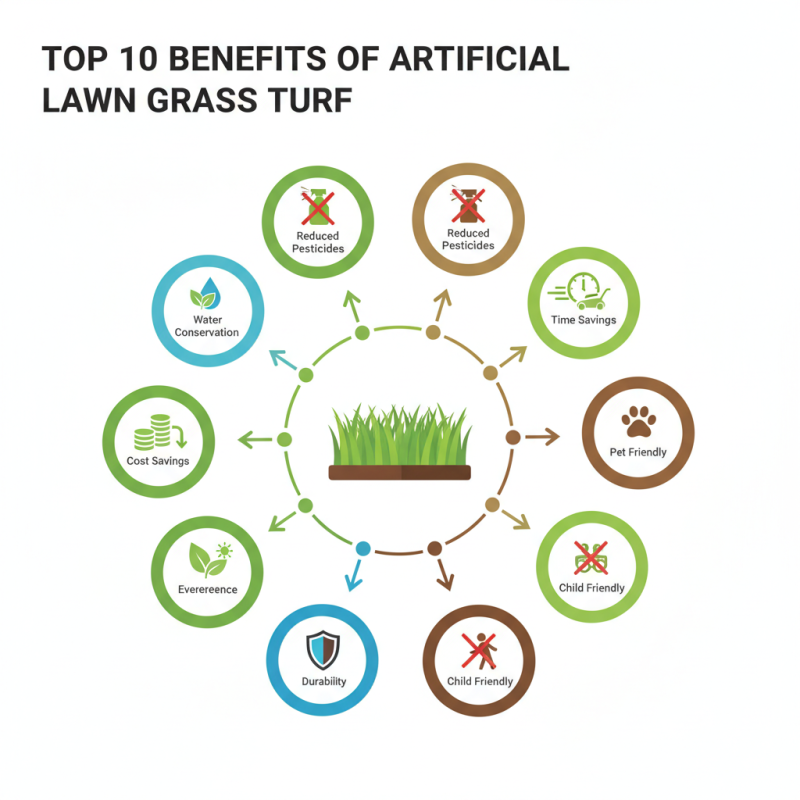
Water Conservation Reduces the need for irrigation, saving millions of gallons of water annually. Lower water usage decreases the carbon footprint associated with water treatment and transportation.
Pesticide Reduction Eliminates the need for harmful pesticides and fertilizers. Reduces chemical runoff into local waterways, improving ecosystem health.
Durability Long-lasting material with minimal maintenance required. Less frequent replacements lead to reduced waste and resource use.
Time Savings Less time spent on lawn maintenance, allowing for more leisure activities. Lower energy consumption from lawn equipment reduces emissions.
Consistent Appearance Maintains a green look year-round, regardless of weather conditions. Helps in reducing the energy needed for landscaping maintenance.
Safe Play Environment Provides a soft, impact-absorbing surface for children and pets. No exposure to chemicals reduces health risks for families.
Allergy Reduction Limits pollen and allergenic grass types, providing relief for allergy sufferers. Improved air quality with less pollen in the environment.
Cost-effective Reduces long-term lawn care costs with lower maintenance expenses. Less resource consumption translates to lower overall environmental impact.
Soil Preservation Prevents soil erosion and degradation compared to natural lawns. Protects natural ecosystems by maintaining soil structure and quality.
Versatile Use Suitable for various applications including residential, commercial, and sports. Reduced need for land conversion for natural grass fields.