Iquiry Now
Leave Your Message

Top Benefits of Rooftop Artificial Grass for Urban Living Spaces?

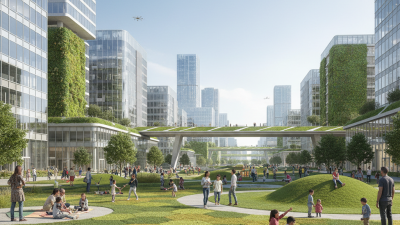
Urban living often means sacrificing green space for concrete. However, Rooftop Artificial Grass offers a unique solution. With cities expanding, the demand for green spaces is more pressing than ever. David Green, a leading expert in landscape design, emphasizes, "Integrating greenery in urban areas is essential for mental health and well-being."

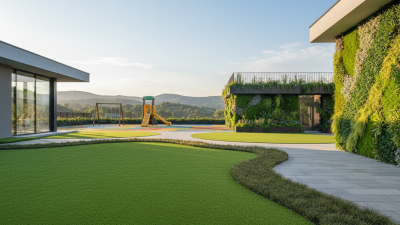
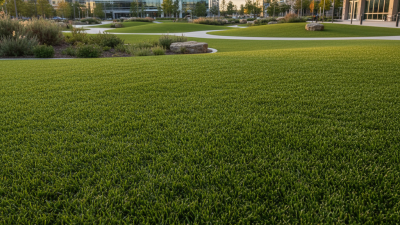
Rooftop Artificial Grass not only enhances aesthetics but also provides environmental benefits. It minimizes heat absorption and can help reduce urban heat islands. Imagine relaxing on your rooftop, surrounded by vibrant greenery that requires minimal maintenance. This innovation transforms unused spaces into lush oases, inviting residents to connect with nature.

However, the installation of Rooftop Artificial Grass requires careful planning. Choosing the right type and considering drainage systems is crucial. Some may overlook the importance of proper installation, leading to quicker wear. Reflecting on these factors helps ensure the longevity and effectiveness of your urban green space.
Top Benefits of Rooftop Artificial Grass for Urban Living Spaces?

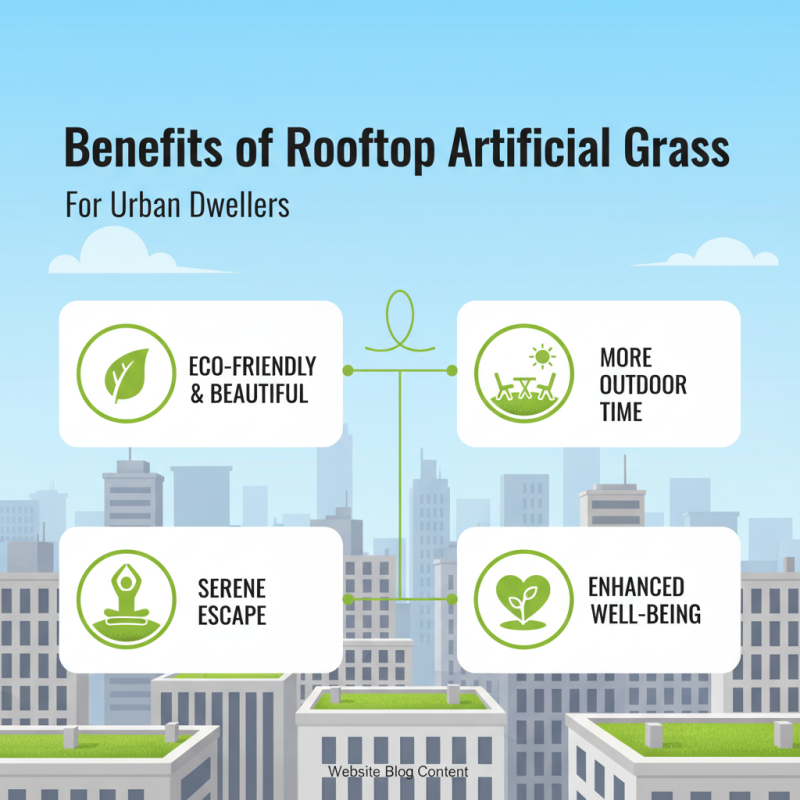
Benefits of Rooftop Artificial Grass for Urban Dwellers

Top Benefits of Rooftop Artificial Grass for Urban Living Spaces?

Rooftop artificial grass can transform urban living spaces. For city dwellers, it provides an eco-friendly and stunning alternative to traditional landscaping. The soft turf creates a serene environment, a rare find in busy cities. It invites residents to spend more time outdoors, enhancing their well-being.

One major benefit is the low maintenance required. Unlike natural grass, artificial grass does not need mowing, watering, or fertilizing. This means no more weekend chores or costly lawn services. Just a simple rinse with water keeps it clean. Moreover, it remains vibrant year-round, regardless of weather conditions.

**Tip:** For a personalized touch, add potted plants or colorful decor to your rooftop. It enhances the visual appeal and creates a cozy atmosphere.

Artificial grass also helps reduce urban heat. It absorbs sunlight and can keep surrounding areas cooler. This feature is beneficial in reducing energy costs. However, it’s crucial to choose the right installation method to avoid potential drainage issues.

**Tip:** Regularly check for wear and tear. Staying proactive can help prevent costly replacements. Embrace these benefits, and your rooftop can become a cherished urban oasis.

Enhancing Aesthetic Appeal in Urban Living Spaces

Top Benefits of Rooftop Artificial Grass for Urban Living Spaces?

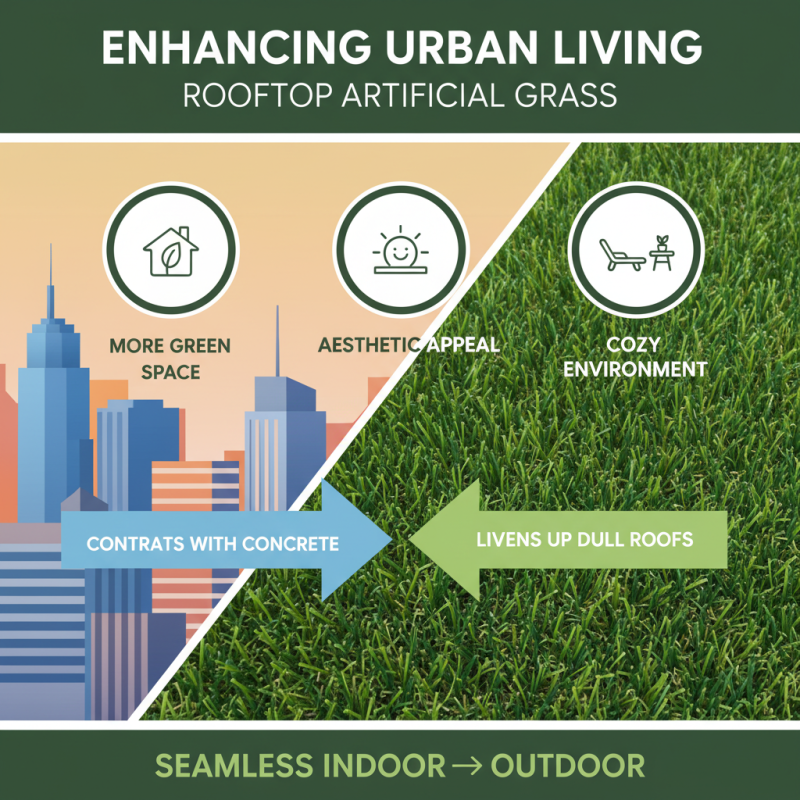
Urban living often lacks green spaces. Rooftop artificial grass brings a refreshing change. It enhances aesthetic appeal and creates a cozy environment. Bright green turf contrasts beautifully with concrete. This vibrant color livens up dull rooftops. It also creates a seamless transition from indoor to outdoor spaces.

Tips: Choose a suitable material for your local climate. Consider durability and maintenance needs. Make sure it blends well with your space.

Artificial grass reduces noise pollution too. It absorbs sound effectively, making your rooftop a peaceful retreat. Imagine sipping coffee on a soft, green surface. The visual and tactile experience promotes relaxation. Don’t overlook the importance of texture, as it can transform your whole space.

Tips: Think of adding decorative elements. Potted plants and outdoor furniture can elevate your design. Experiment with layouts to find the perfect arrangement.

Low Maintenance Requirements for Urban Rooftops

Urban living often means limited green spaces. Rooftop artificial grass provides an ideal solution. One key advantage is its minimal maintenance requirement. Unlike natural grass, it doesn't need mowing, watering, or fertilizing. This makes it perfect for busy city dwellers.

Artificial grass can withstand harsh weather conditions. It remains vibrant year-round without the hassle of upkeep. Just a quick rinse and occasional brushing keep it looking fresh. This aspect appeals to urbanites who may lack time or energy for traditional gardening.

However, potential downsides exist. The initial installation costs can be high. Some may find the feel of synthetic turf less appealing compared to real grass. It’s essential to consider these factors before investing. Always weigh practicality against personal preferences for the best outcome.

Creating Green Spaces in Concrete-Enclosed Areas

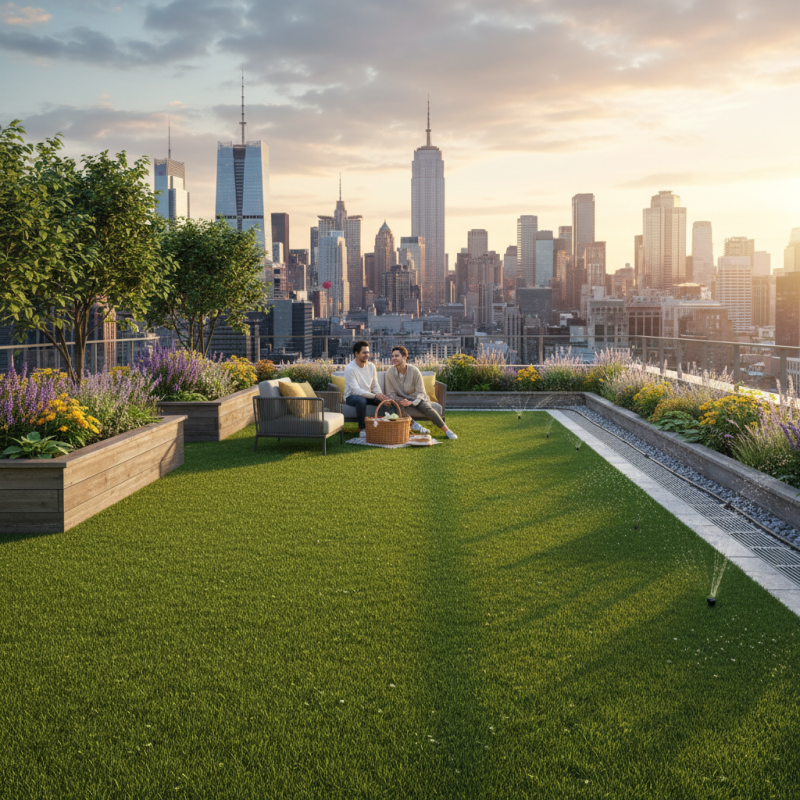
Urban living often means sacrificing green spaces. Rooftop artificial grass provides a solution to this problem. This innovative option transforms concrete rooftops into vibrant green areas. Imagine walking on soft grass while surrounded by a city skyline. It creates a relaxing oasis right above the chaos.

Artificial grass is low maintenance, requiring minimal upkeep. This is crucial for busy urban dwellers. Watering and mowing are not necessary. However, some might overlook the fact that not all artificial grass options are created equal. Choosing the right type can affect durability and appearance. Consulting with experts can help you make informed decisions.

Creating green spaces also improves air quality and reduces heat absorption. Plants help filter pollutants, benefiting everyone nearby. However, it is essential to reflect on the long-term sustainability of these spaces. Are they truly sustainable over time? As cities grow, these green patches must be effectively managed. Balancing urban development with nature is a challenge that requires careful thought.

Environmental Impact: Improving Urban Air Quality

Urban areas often struggle with air quality issues. Rooftop artificial grass can be a surprising solution. It helps filter pollutants and dust from the air. This green layer acts as a natural barrier, absorbing carbon dioxide and producing oxygen. By transforming unused rooftop space into vibrant green areas, cities can improve their environmental health.

In addition to reducing airborne pollutants, rooftop artificial grass contributes to temperature regulation. It can lower surface temperatures significantly. This effect helps combat the urban heat island phenomenon. Cooler environments mean less energy consumption for air conditioning. Creating green spaces on rooftops encourages biodiversity as well.

Despite these benefits, there are challenges. Water runoff from artificial grass must be managed properly. Without proper drainage, this could lead to water quality issues. Maintenance is also crucial; failing to care for these spaces can have negative effects. Overall, the potential of rooftop artificial grass in improving urban air quality is significant, but careful planning is essential.

Conclusion

Rooftop Artificial Grass offers numerous benefits for urban dwellers seeking to enhance their living spaces. By providing a lush and green aesthetic, it transforms concrete rooftops into inviting retreats, contributing to the overall beautification of urban environments. Additionally, the low maintenance requirements of synthetic grass make it an ideal choice for busy city residents, allowing them to enjoy a vibrant outdoor space without the hassle of regular upkeep.

Furthermore, Rooftop Artificial Grass plays a crucial role in creating green spaces amidst concrete-heavy areas, promoting environmental sustainability by improving urban air quality. Its versatility in design allows for creative landscaping solutions, catering to various functional needs from relaxation areas to recreational spaces. Overall, the integration of Rooftop Artificial Grass not only enhances the aesthetic appeal of urban homes but also contributes positively to their ecological footprint.