Top 10 Benefits of Using Residential Lawn Turf for Your Garden?
Introducing Residential Lawn Turf can transform your garden experience. This artificial grass solution offers homeowners numerous advantages. From enhancing aesthetics to improving maintenance efficiency, Residential Lawn Turf stands out.
Imagine walking onto a lush, green lawn every day. You can throw away your mower and leave the hassle of watering behind. The consistent upkeep of natural grass often leads to disappointment. Weather conditions can ruin its charm. In contrast, Residential Lawn Turf maintains its appeal, regardless of the season.
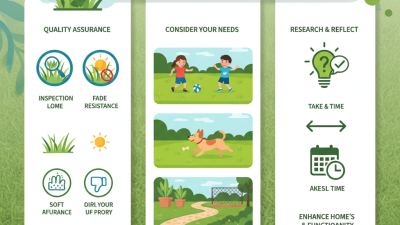
However, it’s essential to evaluate your garden's needs. Not all turf options are equal. Consider your family's lifestyle and your local environment. Reflect on the initial investment versus long-term savings on maintenance. Therefore, exploring the benefits of Residential Lawn Turf requires careful thought. This guide presents ten compelling reasons to choose this viable solution for your garden.
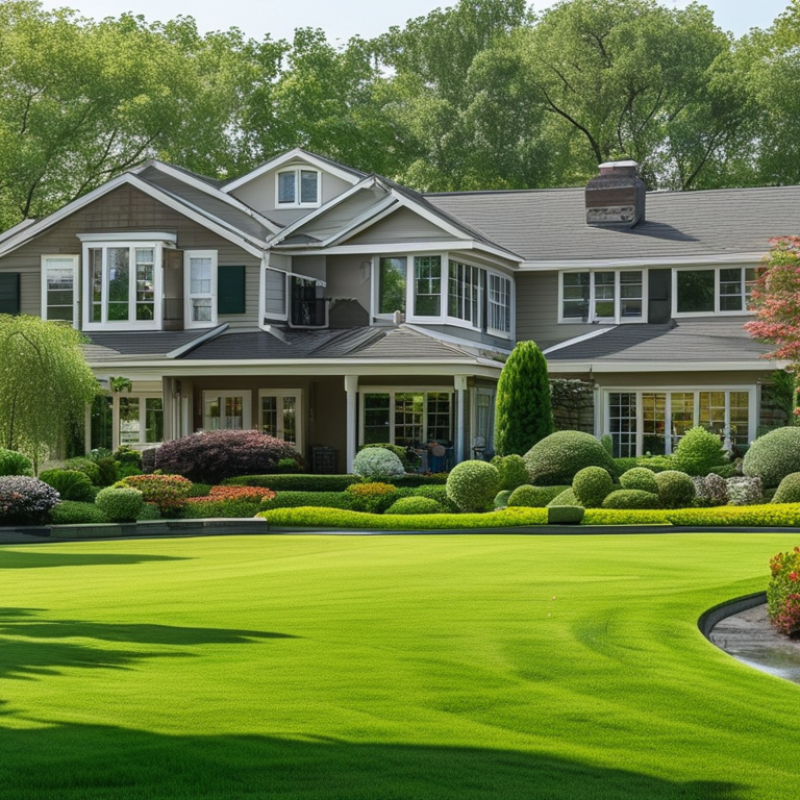
Advantages of Residential Lawn Turf for Home Gardens
Residential lawn turf offers numerous advantages for home gardens, enhancing both aesthetics and functionality. Research shows that lawns can absorb up to 10% of urban carbon emissions, promoting a healthier environment. At the same time, they provide a cooling effect, reducing surface and air temperatures around your home. This can lower energy bills by minimizing the need for air conditioning, especially in hot climates.
Moreover, turf creates a safe space for children and pets. The soft surface reduces the risk of injury during play. A study from the University of California indicates that well-maintained turf can reduce allergies by trapping dust and pollen. However, maintenance is crucial; neglecting turf can lead to pests and diseases, which is a common oversight.
Water usage is another factor to consider. While turf does need regular irrigation, advancements in turf technology mean that many varieties are drought-resistant. This reduces water consumption by 30-50%. Yet, homeowners must still evaluate their local climate and adapt their watering practices accordingly. Balancing these elements is vital for achieving a thriving, sustainable garden.
Cost-Effectiveness of Installing Lawn Turf
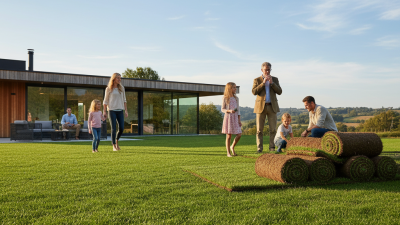
When considering your garden, the cost-effectiveness of installing residential lawn turf is a significant benefit. Turf provides an immediate, lush aesthetic, reducing the time needed for germination. This can save you a season of waiting for natural grass to grow. In the long run, turf can lower maintenance costs since it requires less water and fewer fertilizers.
It’s also essential to analyze the installation process. While upfront costs may be high, the durability of turf makes it a worthwhile investment. With proper care, a well-laid turf can last for several years, minimizing replacement expenses.
Tip: Regularly check for wear and tear. Early repairs can prevent larger issues down the line. Additionally, consider local climate. Some areas allow for reduced maintenance on specific turf types. This knowledge can save you money and effort. Always gather professional analysis. This ensures optimal choices for your space and budget.
Low Maintenance Requirements of Synthetic Grass
Residential lawn turf has gained popularity for its low maintenance requirements.
Synthetic grass, in particular, offers a hassle-free solution for garden enthusiasts.
Studies show that homeowners can save up to 40 hours each year on lawn care. This is a significant reduction compared to natural grass, which requires regular mowing, watering, and fertilization.
Moreover, synthetic grass does not require pesticides or herbicides. This not only reduces chemical exposure but also results in a cleaner environment. A report from the Environmental Protection Agency (EPA) indicates that synthetic turf can help eliminate up to 75% of water consumption used for irrigation. This is essential in areas with water scarcity.
While the benefits are appealing, there are aspects to consider. Synthetic grass may not provide the same aesthetic or tactile feel as natural grass. Some users report concerns about heat retention during summer months. Additionally, the initial investment could be a barrier for some homeowners.
It's crucial to weigh these factors carefully when deciding on turf options for your garden.
Environmental Benefits of Using Lawn Turf
Residential lawn turf offers significant environmental benefits. One major advantage is its ability to improve air quality. Turf absorbs carbon dioxide and releases oxygen, contributing to cleaner air. A well-maintained lawn can significantly reduce pollutants, enhancing overall community health.
Another benefit is water absorption. Turf helps manage rainfall, reducing runoff and promoting groundwater recharge. Healthy lawns can absorb up to 4,000 gallons of water per square inch during a heavy rainstorm. This quality aids in preventing flooding and minimizes soil erosion.
Moreover, turf provides a natural habitat for local wildlife. It supports insects, birds, and other small animals, fostering biodiversity. However, achieving these benefits requires attention. Improper care can lead to unwanted pests or diseases, diminishing the lawn's positive impact. Regular maintenance is essential for maximizing these environmental advantages.
Top 10 Benefits of Using Residential Lawn Turf for Your Garden
Aesthetic Appeal and Design Flexibility of Turf Solutions
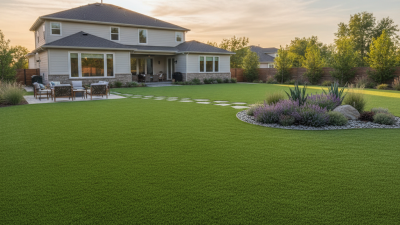
The aesthetic appeal of residential lawn turf is undeniable. It provides a vivid green canvas for any garden. Studies have shown that well-maintained lawns can increase property values by as much as 15%. Lush green turf creates a welcoming atmosphere, making outdoor spaces more enjoyable. Homeowners often find that a well-designed lawn can serve as a natural extension of their living space.
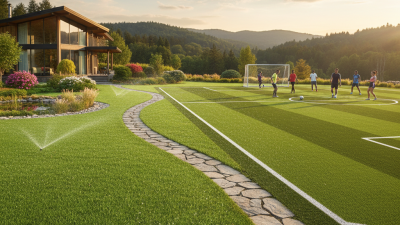
Design flexibility is another significant advantage of turf solutions. It allows for diverse landscaping possibilities, from classic styled gardens to modern outdoor living areas. Research indicates that around 37% of homeowners are willing to invest in enhanced outdoor aesthetics. Turf can seamlessly blend into various designs, accommodating features like pathways, flower beds, and patios. However, it is essential to consider maintenance needs, as some lawns may require more care than expected.
Choosing turf also poses environmental considerations. Some synthetic options may contribute to heat retention. It’s crucial to assess long-term sustainability. Weighing aesthetic appeal against environmental impact can lead to a more thoughtful decision. Balance is key in creating a beautiful yet sustainable garden.
Top 10 Benefits of Using Residential Lawn Turf for Your Garden
| Benefit |
Description |
Impact on Garden |
| Aesthetic Appeal |
Enhances the visual appearance of outdoor spaces with vibrant green color. |
Creates a welcoming environment. |
| Design Flexibility |
Can be shaped and designed to fit any garden layout. |
Allows for diverse landscaping options. |
| Low Maintenance |
Requires minimal upkeep compared to natural grass. |
Saves time and effort in garden care. |
| Durability |
Resistant to wear and tear, making it suitable for high traffic areas. |
Maintains integrity under heavy use. |
| Water Conservation |
Synthetic turf often requires less water than natural grass. |
Promotes environmentally friendly gardening practices. |
| Pest Resistance |
Less prone to pests and diseases. |
Keeps gardens healthy without chemical treatments. |
| Safe for Children and Pets |
Non-toxic materials and softer surface help prevent injuries. |
Provides a safe play environment. |
| Seasonal Consistency |
Remains green and lush throughout the year. |
Enhances garden aesthetics year-round. |
| Cost-Effective |
Reduces ongoing costs related to watering and maintenance. |
Saves money in the long term. |
| Allergy Reduction |
Less pollen production compared to natural grass. |
Creates a more comfortable outdoor environment for allergy sufferers. |

 +86 19005411400+86 15006803065
 Contact Phone
 Contact Email