10 Best Artificial Grass Options for Your Home and Garden?
Artificial Grass has become a popular choice for homeowners and gardeners alike. It offers a lush, green look without the maintenance hassles associated with natural grass. This option is perfect for those looking to enhance their outdoor spaces year-round. The durability and resilience of artificial grass make it an attractive solution for high-traffic areas, where natural grass may struggle to thrive.
However, choosing the right type of artificial grass can be challenging. With numerous products on the market, differentiating between quality options and cheaper imitations requires expert advice. Some artificial grass products may not hold up under harsh weather conditions or excessive wear. It’s important to investigate and choose wisely. The investment in quality artificial grass can lead to long-term benefits, such as reduced water usage and overall landscaping costs.
In this guide, we explore the 10 best artificial grass options available today. Each selection stands out for its unique features, durability, and aesthetic appeal. We also consider potential drawbacks, helping you make an informed decision. Ultimately, the right choice will reflect your specific needs and lifestyle.
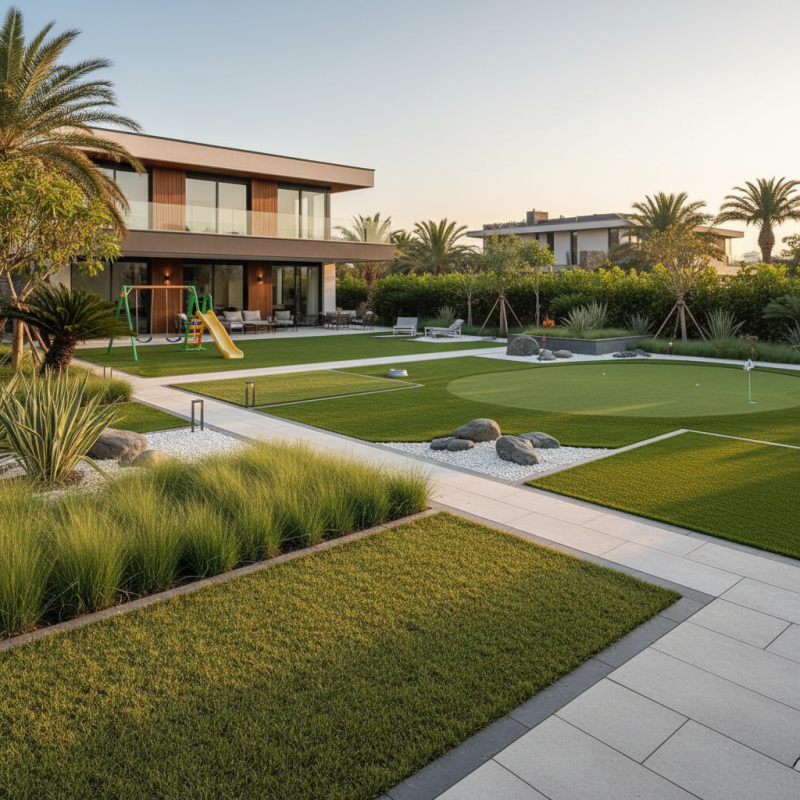
Top Considerations When Choosing Artificial Grass for Your Space
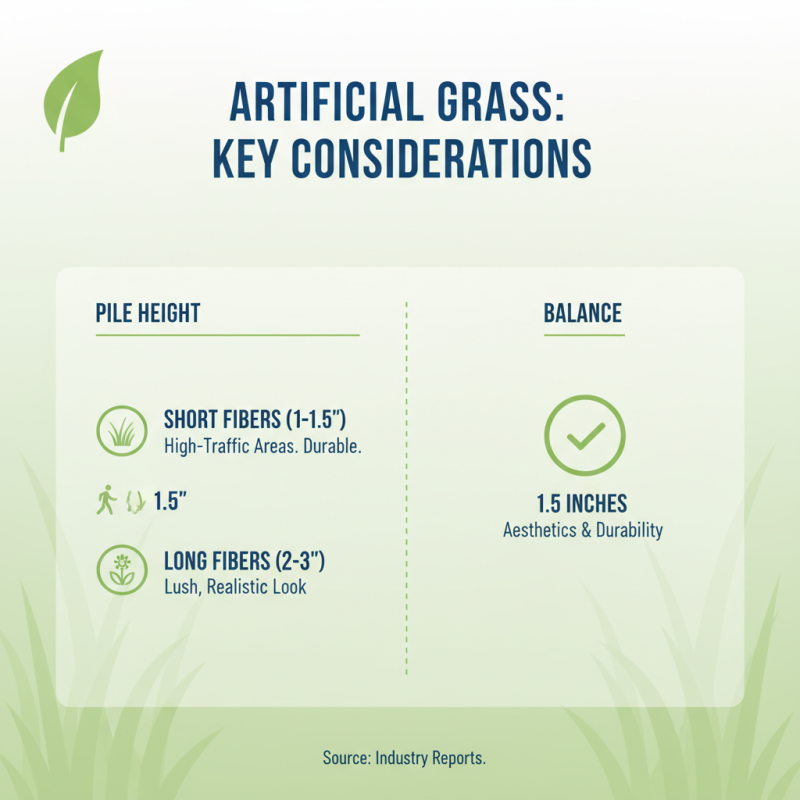
When choosing artificial grass, consider the pile height. Shorter fibers (1-1.5 inches) suit high-traffic areas, while longer fibers (2-3 inches) create a lush, realistic look. According to industry reports, grass with a pile height of around 1.5 inches balances aesthetics and durability well.
Color also plays a crucial role. Look for a blend of vibrant greens with natural tones. This variety mimics the look of real grass. A survey from the American Society of Landscape Architects found that 78% of homeowners prefer the look of multi-tonal artificial grass.
Tips for your selection:
1. Assess infill materials. Silica sand or rubber infill enhances durability and drainage.
2. Check for UV stability. Quality grass can withstand UV rays without fading.
3. Research the warranty. A longer warranty often indicates higher quality.
Different spaces require different solutions. For small yards, opt for compact products, while larger gardens may benefit from expansive rolls. Always keep your climate in mind. Some options perform poorly in extreme heat or cold.
Finally, consider maintenance requirements. Many artificial grasses require minimal upkeep, while some might need occasional brushing or cleaning. Balance aesthetics with practicality to find the option that works for you.
Types of Artificial Grass: Finding the Right Style for Your Needs
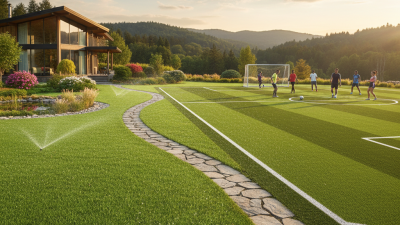
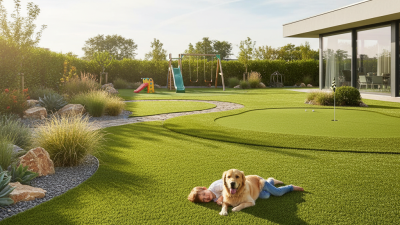
Choosing the right type of artificial grass is essential for both aesthetics and function in your outdoor space. There are various styles available, each designed for specific needs. For instance, some options mimic the look of natural grass very closely, making them ideal for front lawns and decorative gardens. Others focus more on durability and are suitable for high-traffic areas, such as playsets or sports fields.
According to a report by IBISWorld, the artificial turf market has grown significantly, reflecting a shift toward low-maintenance landscaping solutions. With an estimated 20% rise in demand over the last five years, homeowners are increasingly turning to artificial grass for its longevity and reduced upkeep costs. The choices can be overwhelming. Consider characteristics like pile height, density, and material. These factors contribute to how realistic the grass appears and how well it performs under pressure.
Some products may offer great looks but fall short on durability. It’s essential to balance appearance with functionality. For instance, grass designed for pet areas should be both soft and resilient, allowing for easy cleanup without wear and tear. Always consult with in-depth resources to find credible insights that align with your specific environment and lifestyle needs. Matching the right product to your personal requirements can lead to a more satisfying investment.
Comparative Analysis of Popular Artificial Grass Brands
When considering artificial grass options, various brands compete in the market. Recent industry reports show that the artificial turf market is projected to reach $5 billion by 2027, indicating a growing trend in consumer preference for this low-maintenance alternative. Important factors include durability, aesthetics, and environmental impact.
Some brands emphasize realistic textures and vivid colors, while others focus on eco-friendliness. Studies reveal that around 60% of consumers prioritize durability when selecting artificial grass, affecting long-term value. The lifespan of high-quality turf can reach up to 15 years, reducing replacement costs. However, installation processes vary and can influence the overall performance and look of the grass.
Price comparison is also essential. Some options can cost between $5 to $20 per square foot, without accounting for installation. This price fluctuation can affect choices based on budget constraints. Furthermore, it's crucial to evaluate if the product complies with safety standards and environmental certifications. Not all artificial grasses are created equal, which can leave consumers pondering their final selection.
Installation Tips for a Beautiful and Durable Lawn
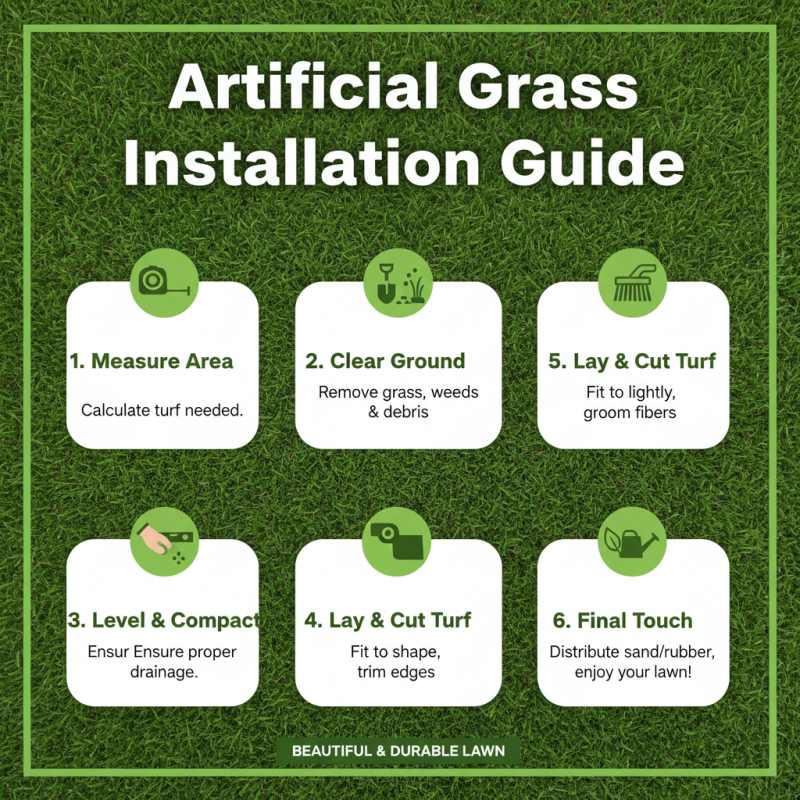
Installing artificial grass can seem daunting, but with the right steps, you can achieve a beautiful and durable lawn. Start by measuring your lawn area to ensure you purchase enough turf. Prepare your ground by removing any existing grass, weeds, or debris. A clean surface promotes better drainage and prevents future issues. You can tackle this job with a shovel or a sod cutter.
Next, create a solid base using crushed stone and sand. This layer is crucial for drainage and allows the grass to settle properly. Compact the base firmly to avoid any uneven spots. After the base is prepared, roll out the artificial grass. Make sure it lies flat with no wrinkles. Trim edges where necessary for a clean finish.
Lastly, consider securing the turf with stakes or adhesive. This helps it withstand weather changes and foot traffic. It’s vital to take your time during installation. Rushing can lead to costly mistakes. Don’t forget to regularly inspect your lawn afterward. Over time, wear and tear may occur, and being proactive can extend the lifespan of your investment.
Maintenance Guidelines for Long-Lasting Artificial Grass Solutions
Maintaining artificial grass can seem simple, but it requires attention to detail for longevity. Regular brushing helps keep the fibers upright. This practice prevents matting and extends the life of the grass. Use a stiff broom or a power brush every few weeks. It’s a small effort that pays off significantly.
Additionally, proper cleaning is essential. Debris can accumulate on the surface. Remove leaves and dirt regularly to keep it looking fresh. A hose can be used to wash away pet waste or spills. Regular rinsing can minimize odors. Even with diligent upkeep, some stains may persist, and it may take effort to fully remove them.
Inspecting the seams and edges is crucial. This ensures that the grass is securely anchored. Over time, these areas can show wear. If you notice any issues, patch up or replace sections. Regular check-ups are necessary even if everything looks fine. Addressing small problems promptly is more efficient than waiting for larger repairs.
10 Best Artificial Grass Options for Your Home and Garden
| Type of Grass |
Blade Length |
Color |
Weight (oz/sq yd) |
UV Resistance |
Warranty (years) |
Maintenance Required |
| Natural Look Grass |
1.5 inches |
Bright Green |
60 |
Yes |
15 |
Low (Occasional brushing) |
| Pet-Friendly Grass |
1.75 inches |
Dark Green |
50 |
Yes |
10 |
Medium (Regular rinsing) |
| Putting Green Grass |
0.5 inches |
Forest Green |
70 |
Yes |
8 |
Low (Occasional cleaning) |
| Thick Pile Grass |
2 inches |
Multi-Tone Green |
80 |
No |
12 |
High (Frequent grooming) |
| Shade Tolerant Grass |
1.25 inches |
Green |
65 |
Yes |
10 |
Medium (Periodic maintenance) |
| Commercial Grade Grass |
1.5 inches |
Bright Green |
90 |
Yes |
15 |
Low (Annual inspection) |
| Luxury Grass |
2.5 inches |
Emerald Green |
85 |
Yes |
20 |
Medium (Regular maintenance) |
| Economy Grass |
1 inch |
Light Green |
40 |
No |
5 |
High (Frequent care) |
| Sports Grass |
1.5 inches |
Dark Green |
75 |
Yes |
12 |
Medium (Regular inspection) |
| Landscape Grass |
1 inch |
Lime Green |
55 |
Yes |
7 |
Low (Periodic brushing) |

 +86 19005411400+86 15006803065
 Contact Phone
 Contact Email