10 Best Clear PVC Tarpaulin Uses and Benefits for Your Projects?
The versatile applications of Clear PVC Tarpaulin make it a valuable material in various industries. According to a recent report by Market Research Future, the global tarpaulin market is expected to surpass $5 billion by 2025. This growth is driven by the increasing demand for protective solutions across construction, agriculture, and event management sectors.
Industry expert John Smith notes, "Clear PVC Tarpaulin offers unmatched clarity and durability, making it perfect for both temporary and permanent solutions." Its transparency allows for visibility while providing shelter and protection from environmental elements. From outdoor canopies to protective covers for equipment, its uses are extensive.
In many cases, however, users overlook the proper care of Clear PVC Tarpaulin. This can lead to early wear and reduced lifespan. Users must also consider environmental factors when choosing this material. Despite its benefits, it's important to reflect on the maintenance required to maximize its potential. Understanding these aspects can enhance the effectiveness of each project.
10 Creative Applications of Clear PVC Tarpaulin in Various Industries
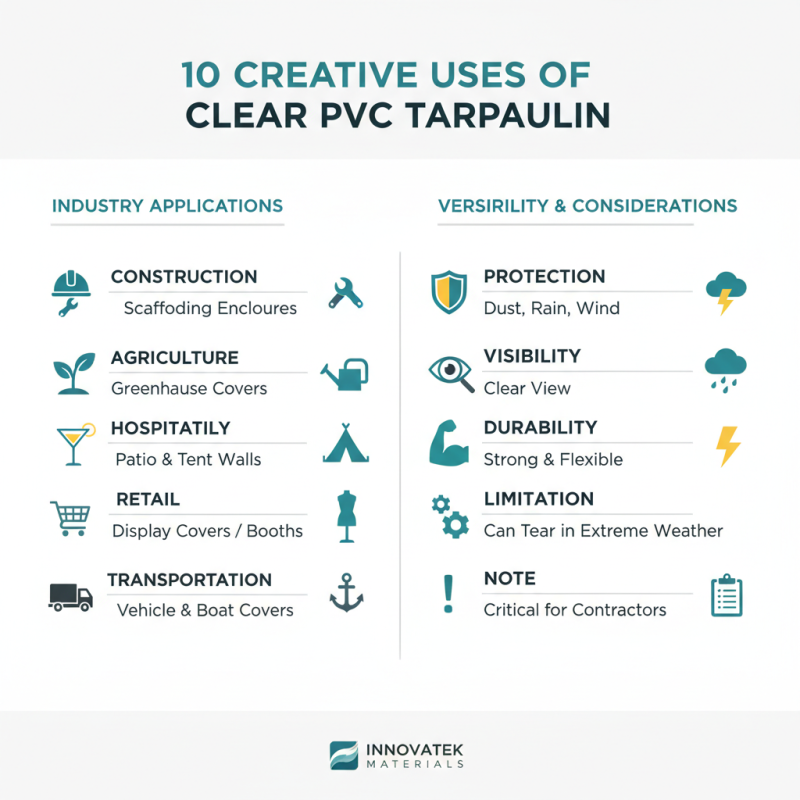
Clear PVC tarpaulin is becoming increasingly popular in various industries due to its versatility. In construction, it serves as protective sheeting for scaffolding. Despite its strength, it can sometimes tear in extreme weather conditions. That’s a critical consideration for contractors.
In agriculture, it’s used to create greenhouses. The clear material allows sunlight to pass through effectively. However, it can lead to overheating on sunny days. Farmers must monitor temperature closely to avoid crop damage. A report from the Agricultural Research Service indicates that effective ventilation is crucial for maintaining optimal growth conditions.
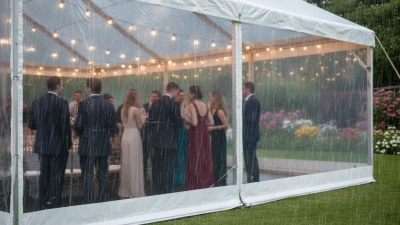
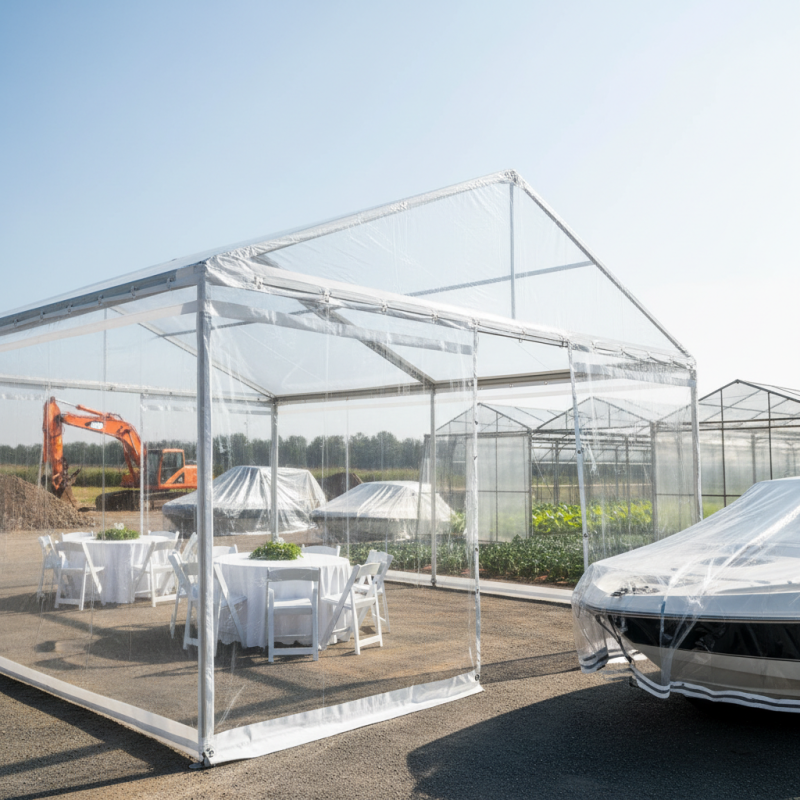
The event management industry also utilizes clear PVC tarpaulin for tents and canopies. They provide shelter while allowing natural light. Yet, events on windy days can be challenging. Tents can flap violently, risking damage. Thus, securing tarpaulins properly is essential to avoid accidents. Each application has its benefits and drawbacks, which need careful consideration.
Advantages of Using Clear PVC Tarpaulin for Outdoor Projects and Covers
Clear PVC tarpaulins offer numerous advantages for outdoor projects and covers. They are durable and weather-resistant. This makes them ideal for various applications. You can use them for creating temporary shelters, protecting equipment, or covering outdoor events. Their transparency allows light to filter through, which is a significant plus for plants and crops in greenhouses.
Using clear PVC tarpaulin, you can create a backyard enclosure that keeps bugs out. This way, you can enjoy your outdoor space without interruptions. However, sometimes, they can trap heat. This is something to consider if you're housing live plants. Also, while the material is robust, it may scratch easily. Regular maintenance is necessary to keep them looking good. If not careful, they can develop haze over time, impacting visibility.
With all these benefits, it's clear why many choose clear PVC tarpaulins for outdoor projects. They're versatile, efficient, and can serve multiple purposes. Yet, it’s crucial to evaluate your specific needs before making a purchase.
10 Best Clear PVC Tarpaulin Uses and Benefits for Your Projects
Durability and Weather Resistance: Why Choose Clear PVC Tarpaulin?
Clear PVC tarpaulin has gained popularity due to its durability and weather resistance. This material can withstand harsh elements like heavy rain, wind, and UV rays. For outdoor projects, it provides excellent protection for equipment and structures. Imagine a greenhouse. The clear tarpaulin allows sunlight to pass through while keeping plants safe from unpredictable weather. It’s versatile and strong, making it an ideal choice for many applications.
In addition to its robust nature, clear PVC tarpaulin's transparency offers unique benefits. For instance, it is widely used for creating temporary shelters, allowing natural light. Yet, this clarity can sometimes pose a challenge. While it’s great for visibility, it can lead to excess heat buildup inside. Users may need to consider ventilation in closed areas. This is a crucial point that requires reflection when planning projects.
Moreover, the maintenance of clear PVC tarpaulin can also be an issue. While it is easy to clean, the material can develop scratches or wear over time. This affects its appearance and effectiveness. Regular inspections are necessary to ensure longevity. These factors highlight that while clear PVC tarpaulin is beneficial, awareness of its limitations is essential for optimal use.
Environmental Impact: Recycling and Sustainability of PVC Tarpaulin
PVC tarpaulin is known for its durability and versatility. However, its environmental impact raises concerns. The production of PVC has significant energy costs and can release harmful chemicals. These factors make it essential to assess how we can improve sustainability in its use.
Recycling PVC tarpaulin presents challenges. Many facilities are not equipped to handle it. A considerable amount of PVC ends up in landfills. This creates a long-term waste issue. Yet, when recycled properly, PVC can be repurposed into new products, reducing its environmental footprint. Investing in recycling initiatives can help mitigate this problem.
Learning about sustainability in PVC usage is vital. Many consumers remain unaware of the disposal options available. Greater education on recycling processes and sustainable practices is needed. Awareness can lead to more responsible choices. While PVC tarpaulin has benefits for various projects, we must consider the long-term impacts on our planet as well.
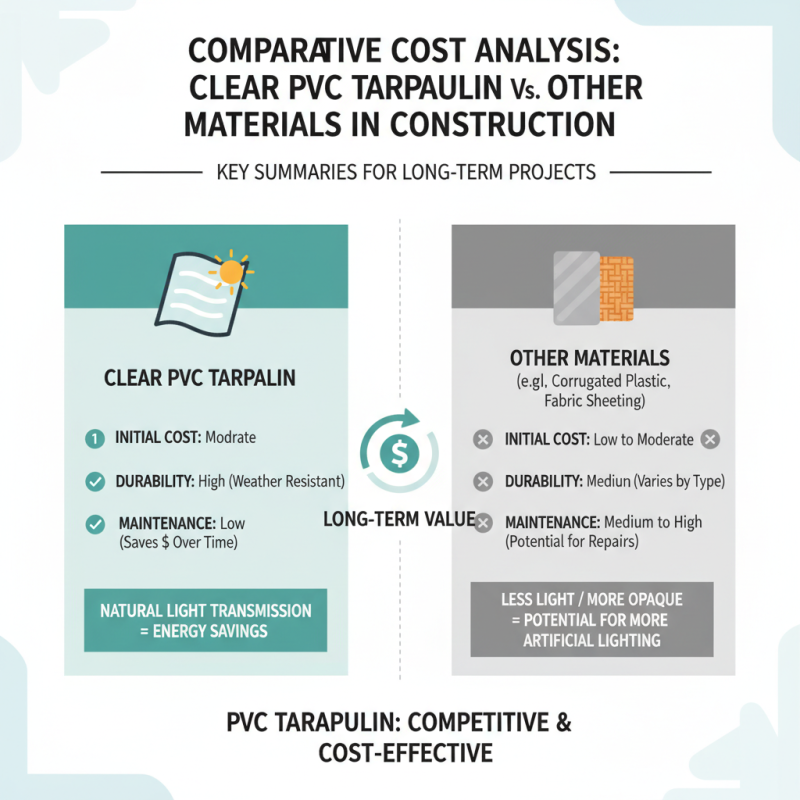
Comparative Cost Analysis: Clear PVC Tarpaulin vs. Other Materials in Construction
When considering construction materials, clear PVC tarpaulin is a popular choice. Its transparency allows natural light to pass through, making it ideal for various outdoor structures. However, when comparing its cost to other materials, some may find it surprisingly competitive. Clear PVC tarpaulin offers durability and resistance to weather conditions, which could save maintenance costs over time. This claim merits attention, particularly for long-term projects.
On the flip side, some materials, like polycarbonate sheets, may have additional benefits. They provide excellent insulation but come at a higher upfront cost. The initial investment might deter budget-conscious project managers. It's essential to weigh durability against the premium prices. Other materials, like canvas, might serve specific needs but lack the clarity needed for visibility. Each option has its trade-offs, and calculating the total cost over the project’s lifetime is vital. The balance between immediate expense and long-term savings can be tricky. Exploring all possibilities ensures a well-informed decision.

 +86 19005411400+86 15006803065
 Contact Phone
 Contact Email