2026 Best Football Field Artificial Turf Options for Every Budget?
Choosing the right Football Field Artificial Turf can be a daunting task. With many options available, it’s essential to understand your needs. Quality, durability, and cost are vital factors to consider.
Some choices may seem appealing due to a low price. However, cheaper turf often lacks the quality needed for a top-notch playing experience. Investing in premium turf can lead to better performance and lower maintenance costs over time.
Research is essential when selecting the best options for your budget. Consulting with professionals can provide valuable insights. Ultimately, the right Football Field Artificial Turf can greatly enhance the game, ensuring players enjoy every moment on the field.
Factors to Consider When Choosing Artificial Turf for Football Fields
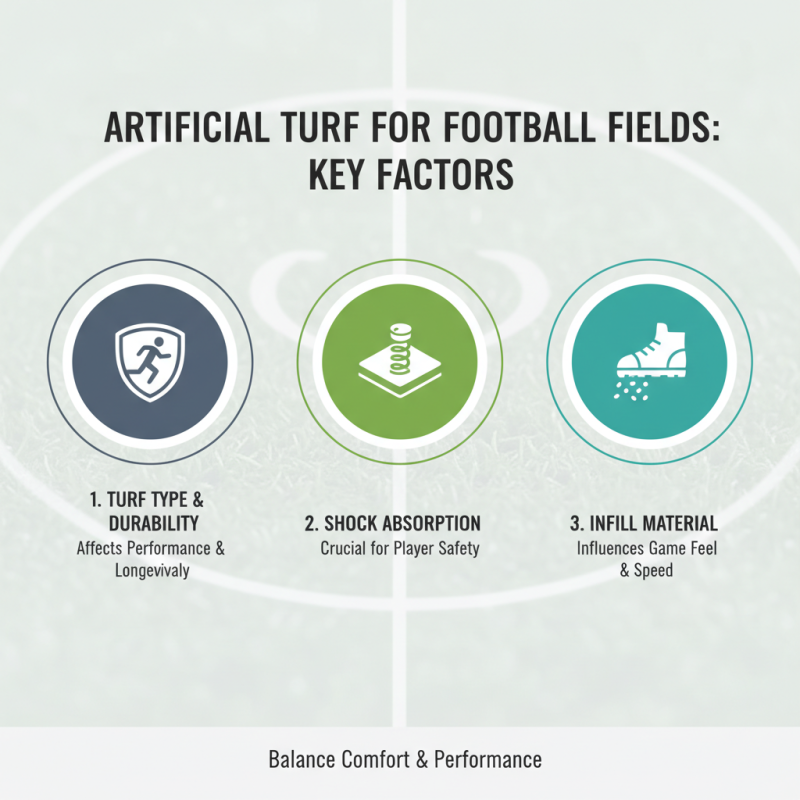
When choosing artificial turf for football fields, several factors come into play. The type of turf affects performance and durability. Different materials offer varied levels of shock absorption, which is crucial for player safety. Choosing the right infill can also influence the feel and speed of the game. It's essential to find a balance between comfort and performance.
Another important aspect is the climate. In warmer areas, turf with UV protection can withstand harsh sunlight without fading. In rainy regions, drainage capabilities are vital to prevent waterlogging. It may be tempting to prioritize low costs, but investing in quality materials can save money on maintenance in the long run.
Lastly, consider installation services. Proper installation ensures the turf performs well over time. Finding experienced professionals might take time but is worth the effort. Reflecting on these details will lead to better decisions for your field. Each choice you make can directly influence the football experience and player enjoyment.
Types of Artificial Turf Materials and Their Cost Implications
Choosing the right artificial turf can be overwhelming, especially with various material types and associated costs. Generally, artificial turfs are made from nylon, polypropylene, or PE. Nylon is highly durable, perfect for high-traffic areas. However, it comes with a higher price tag. Polypropylene is cheaper and works well for recreational fields but lacks durability. PE strikes a balance between cost and longevity.
The cost implications vary significantly among these materials. For instance, nylon turf might start at $5 per square foot, while polypropylene can be found for as little as $1.50. A mid-range option like PE generally falls between these two extremes. Installation costs also add up, as professionals may charge between $2 to $4 per square foot. The complexity of the project can really affect this.
While it’s crucial to stay within budget, cutting corners may lead to issues later. Investing in quality materials can save money in the long run. Remember to consider factors like climate and usage. With careful consideration, you can find the right turf that meets your needs without overspending.
Budget-Friendly Turf Options for High-Quality Football Fields
When looking for budget-friendly turf options for football fields, quality is key. Many affordable artificial turfs offer durability and performance that meet industry standards. It's essential to consider the playability and safety of the surface. Cheaper options may lack the resilience needed for heavy use, which can lead to faster wear and tear.
Selecting the right turf can be challenging. Look for materials that can withstand various weather conditions. A surface should feel good underfoot and provide adequate grip. Some lower-priced options might save money initially but could require replacements sooner than expected. This could lead to higher long-term costs.
It's important to balance cost and quality. Explore options that include good drainage, UV resistance, and a decent pile height. Slow shakeouts and depreciation in performance over time can be concerning. Be cautious of instant deals that appear too good to be true. Making informed choices about your turf investment is crucial for any sports facility or school.
2026 Best Football Field Artificial Turf Options for Every Budget
This chart demonstrates various artificial turf options for football fields categorized by price points and their quality ratings. The data reflects the average price per square foot and quality rating on a scale from 1 to 10.
Mid-Range Artificial Turf Choices Balancing Quality and Price
When considering mid-range artificial turf options, it's essential to find a balance between quality and cost. Many choices offer durability and performance without breaking the bank. Look for turf that has a good blade density. A denser turf often means better resilience against wear and tear. Be aware that not all turfs perform equally well in extreme weather conditions.
Installation is another vital aspect to consider. It's important to assess the maintenance required. Some turf types may need periodic brushing or infill replacements. Think about how often the field will be used. A busy football field may demand more robust options. However, remember that overspending can lead to regrets. It is crucial to do thorough research. Check expert reviews and customer feedback to gauge reliability. Don't rush into buying just because a turf looks appealing. Evaluating all factors will help make a smarter decision for your budget.
2026 Best Football Field Artificial Turf Options for Every Budget
| Option |
Material |
Infill Type |
Price per Sq. Ft. |
Durability (Years) |
Warranty (Years) |
| Premium Turf |
Polyethylene |
Rubber |
$3.50 |
15 |
8 |
| Mid-Range Turf |
Polypropylene |
Sand |
$2.00 |
10 |
5 |
| Budget Turf |
Polyethylene |
Natural Grass Blend |
$1.25 |
8 |
3 |
| Intermediate Turf |
Nylon |
Styrene Butadiene Rubber |
$2.75 |
12 |
6 |
Premium Turf Solutions for Professional-Level Football Fields
When it comes to premium turf solutions for professional-level football fields, several factors play a key role. The quality of materials, the durability of the turf, and the overall playability impact a field's performance. Advanced turf options now feature technologies that mimic natural grass. This can enhance player experience significantly.
Choosing the right turf requires expertise in both installation and maintenance. Professionals suggest looking for high-density fibers and proper infill systems. Yet, not every turf performs as expected over time. Some may wear down quicker than anticipated, leading to unsatisfactory playing conditions. It’s important to evaluate long-term functionality through research.
Investing in top-tier artificial turf can be costly. Decisions should consider factors like usage intensity and environmental conditions. Not all solutions suit every field. Ensuring the right fit often demands careful selection based on specific needs. Relying solely on price can sometimes lead to regret. Balancing cost with performance is crucial in making an informed choice.

 +86 19005411400+86 15006803065
 Contact Phone
 Contact Email