10 Best Gym Turf Options for Your Fitness Space?
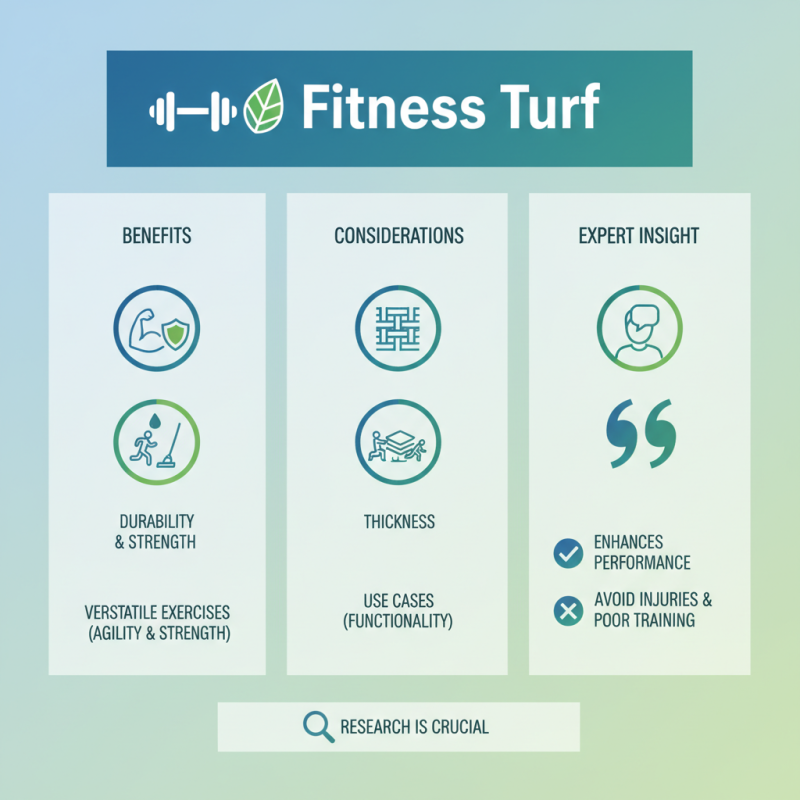
In recent years, the popularity of gym turf has surged in the fitness industry. According to fitness expert Mike Smith, “Quality gym turf can transform any workout space.” Many fitness enthusiasts now recognize the benefits of incorporating turf, not only for aesthetics but for functionality.
Gym turf offers versatility that traditional flooring cannot match. It’s durable, easy to maintain, and suitable for various exercises like agility drills and strength training. However, not all turf options are created equal. Some may wear down quickly under heavy use, leaving you annoyed with your investment. Choosing the right product is crucial.
Potential buyers should consider factors like material, thickness, and use cases. It's not just about finding a green surface; it’s about enhancing performance. Poor choices can lead to injuries or subpar training experiences. Investing in quality gym turf can be a game-changer, but you must research thoroughly to avoid pitfalls.
Top Considerations for Choosing Gym Turf for Your Fitness Space
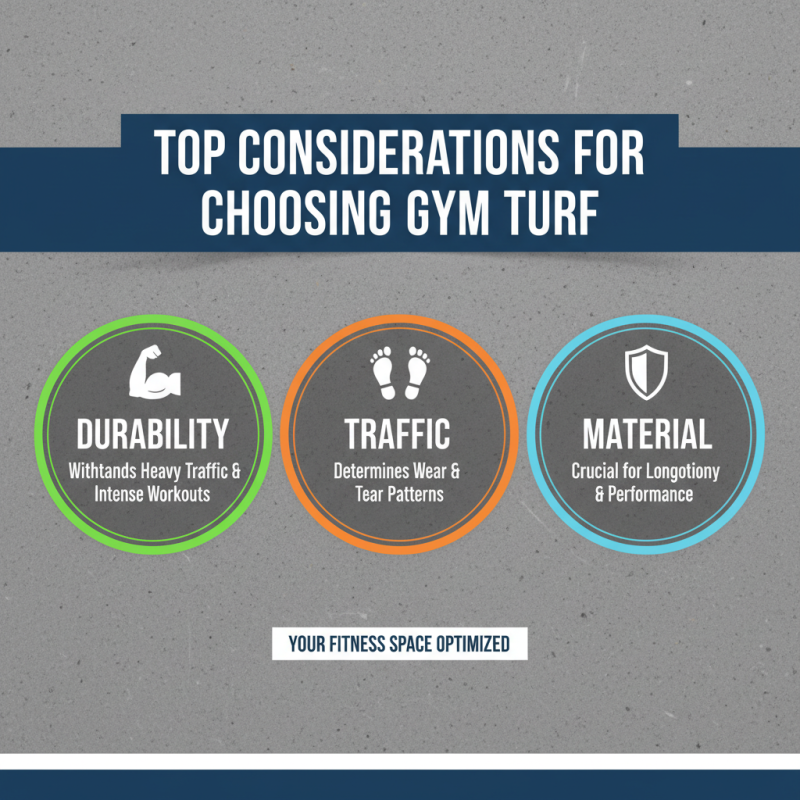
Choosing the right gym turf is crucial for your fitness space. Several factors come into play. Durability is key. Look for materials that can withstand heavy traffic and intense workouts. Traffic patterns will determine wear and tear.
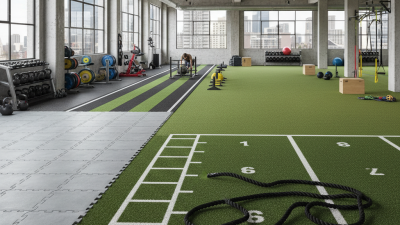
Consider the type of exercises you’ll be doing. If agility drills and cardio are frequent, a turf with good traction is ideal. Low pile height helps with quick movements. For strength training, thicker turf might provide cushioning and support.
Tips: Always test the turf before purchasing. Walk on it. Feel how it responds underfoot. Ask about the installation process. Proper installation can prevent future issues. Maintenance is also vital. Some turfs are easier to clean than others, which could influence your daily routine.
Color can affect the ambiance of your gym. Bright colors can energize; subtle shades can calm. Think about your brand and the experience you want to create. Remember, combining functionality with style is essential for a successful fitness environment.
Different Types of Gym Turf Materials and Their Benefits
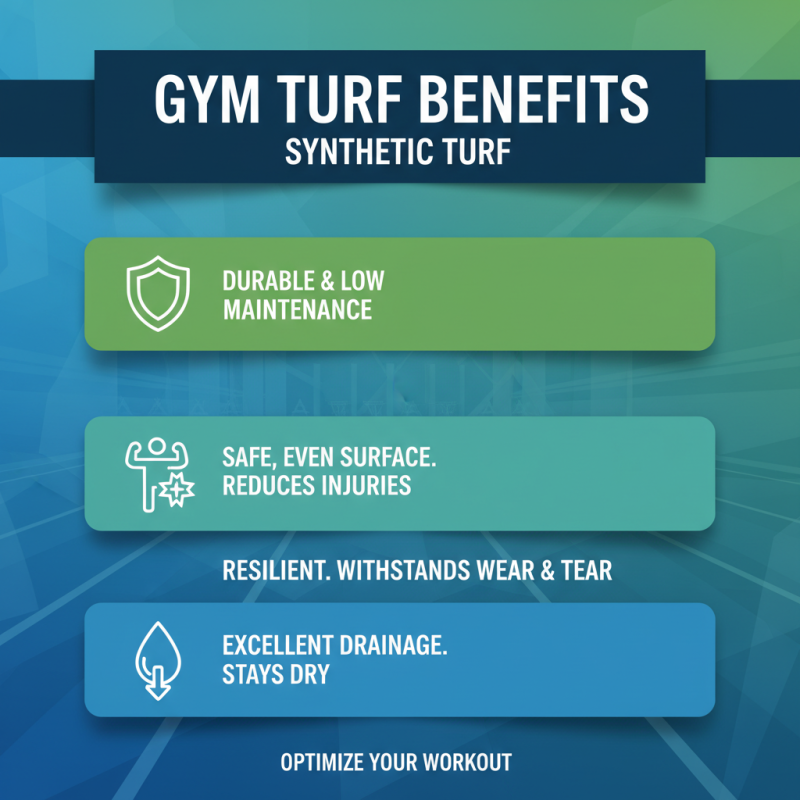
When choosing gym turf, the material can significantly impact your fitness experience. Synthetic turf is popular due to its durability and low maintenance. It provides a safe, even surface that reduces the risk of injuries during workouts. This type of turf mimics natural grass but offers greater resilience to wear and tear. Additionally, its drainage properties help keep your workout area dry.
Another option is foam-backed turf. This material adds cushioning, making it ideal for exercises that require floor work. The softness can help absorb shock, reducing joint stress during high-impact activities. It also offers sound insulation, which enhances the workout environment. However, foam-backed turf may wear down faster than synthetic options, so it’s essential to consider your usage.
Natural grass is an alternative that some fitness enthusiasts prefer for its authenticity. It offers a unique feel and can improve users' connection to nature. However, it requires more upkeep, including frequent watering and mowing. Maintaining grass can be time-consuming, and it may not be suitable for all climates. Understanding the benefits and limitations of each option is crucial for building a suitable gym space. Your decision should reflect both your training needs and maintenance capabilities.
Evaluating Durability and Maintenance Needs of Gym Turf Options
When choosing gym turf, durability is key. You want a surface that withstands heavy foot traffic and intense workouts. Look for materials that are designed to resist wear and tear. Some options may fray or fade over time. This could lead to unnecessary replacements. Inspect turf for strong backing and dense fibers; these features contribute to longevity.
Maintenance needs vary across different turf options. Some require regular brushing and cleaning, while others are low-maintenance. It’s worth considering how much time you can dedicate. Turf that retains moisture can develop mold and odor. A drainable option can save you from future headaches. Knowing how to care for your turf will ensure it remains a safe workout space. Remember, investing in quality turf pays off in the long run.
Durability and Maintenance Needs of Popular Gym Turf Options
Cost Comparison of Popular Gym Turf Brands on the Market
Choosing the right gym turf for your fitness space is essential. Many factors influence the overall cost. This includes materials, durability, and intended use. Some turfs are designed for high-impact workouts, while others may be more suited for casual environments.
When comparing costs, consider the benefits of each option. Higher-priced turfs often offer greater durability and longer lifespans. Some budget options might initially seem appealing but can wear out quickly. Maintenance costs are also a factor. Cheaper materials may require more upkeep, increasing their overall expense over time.
Reflect on your specific needs. Are you a professional trainer or a home gym enthusiast? Your purpose affects your decision. It’s wise to evaluate how often the turf will be used. Find a balance between quality and cost. This ensures you invest wisely in your fitness space.
Installing Gym Turf: Tips for a Successful Setup in Your Space
When installing gym turf, proper setup is crucial for maximizing its benefits. The first step is to carefully prepare the subfloor. Studies show that up to 70% of turf performance depends on the base layer. A stable, well-compacted surface reduces maintenance issues and prolongs the turf's life. Use materials like crushed stone or sand to create a strong foundation.
Choosing the right turf is essential. Performance metrics, such as pile height and density, can influence how it feels underfoot. An industry report indicated that turf with a pile height of 1.5 inches creates optimal cushioning for athletes. Always assess the area for drainage. Poor drainage can lead to water pooling, which compromises the turf’s integrity.
Maintenance should also be a priority. Regular grooming and cleaning help maintain the turf’s appearance and performance. Many facilities overlook this aspect, leading to premature wear. Allocate time for servicing every month to ensure longevity. Investing in quality accessories, such as infill materials, can also enhance the playing experience.
10 Best Gym Turf Options for Your Fitness Space
| Turf Type |
Pile Height (inches) |
Weight (oz/sq yd) |
Durability Rating |
Ideal Use |
| Artificial Grass |
0.5 |
50 |
5 years |
Indoor/Outdoor |
| Short Pile Turf |
1 |
60 |
7 years |
Weightlifting Areas |
| Medium Pile Turf |
1.5 |
70 |
6 years |
Agility Training |
| Long Pile Turf |
2 |
80 |
8 years |
Sprint Tracks |
| Non-Infill Turf |
0.75 |
65 |
5 years |
Multi-Sport Use |
| Infill Turf |
1.25 |
90 |
9 years |
Field Sports |
| Eco-Friendly Turf |
1.5 |
55 |
5 years |
Sustainable Gyms |
| Indoor Sports Turf |
1 |
75 |
6 years |
Fitness Centers |
| Multi-Purpose Turf |
1 |
65 |
7 years |
CrossFit and More |
| Commercial Turf |
1.75 |
85 |
10 years |
High Traffic Areas |

 +86 19005411400+86 15006803065
 Contact Phone
 Contact Email