Iquiry Now
Leave Your Message

Why Choose Artificial Turf Lawn for Your Home and Garden Needs?

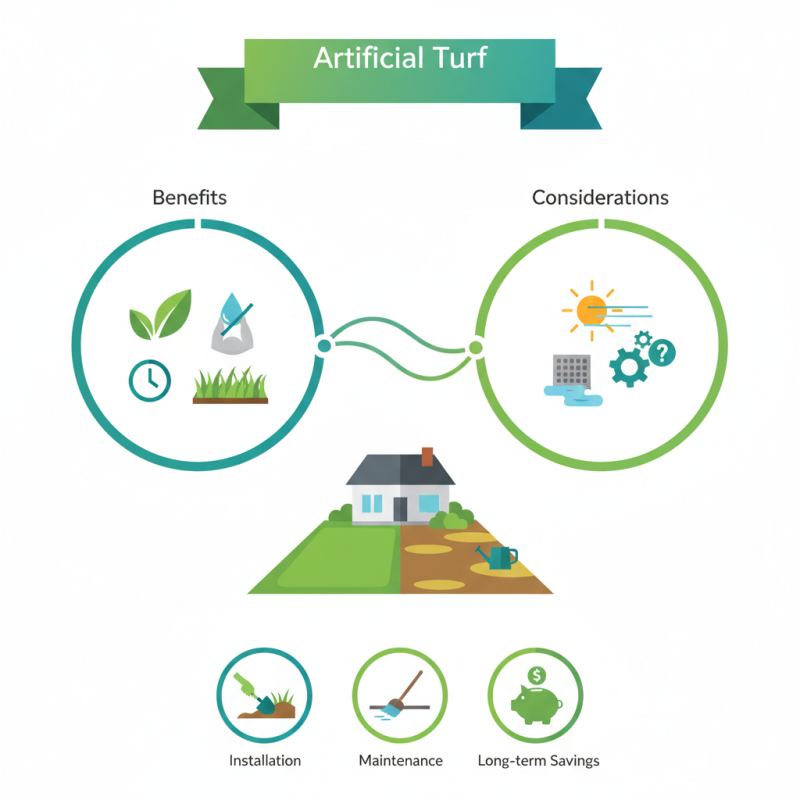
When considering outdoor spaces, the choice of lawn type can significantly impact your home. An Artificial Turf Lawn presents numerous benefits that cater to both aesthetics and practical needs. This innovative solution offers a lush, green appearance without the constant maintenance required by natural grass.

Many homeowners appreciate the durability of Artificial Turf Lawns. They withstand heavy foot traffic while retaining their vibrant look year-round. However, it's important to recognize that not all artificial grass is created equal. Some options might not provide adequate drainage or might fade under prolonged sun exposure.

Investing in an Artificial Turf Lawn can save time and resources in the long run. Yet, proper installation and maintenance knowledge are crucial for maximizing its advantages. Assessing your specific needs and understanding potential drawbacks can lead to a more informed decision. Ultimately, an Artificial Turf Lawn can enhance your garden while requiring fewer resources.
Why Choose Artificial Turf Lawn for Your Home and Garden Needs?

Benefits of Artificial Turf for Residential Use

Why Choose Artificial Turf Lawn for Your Home and Garden Needs?

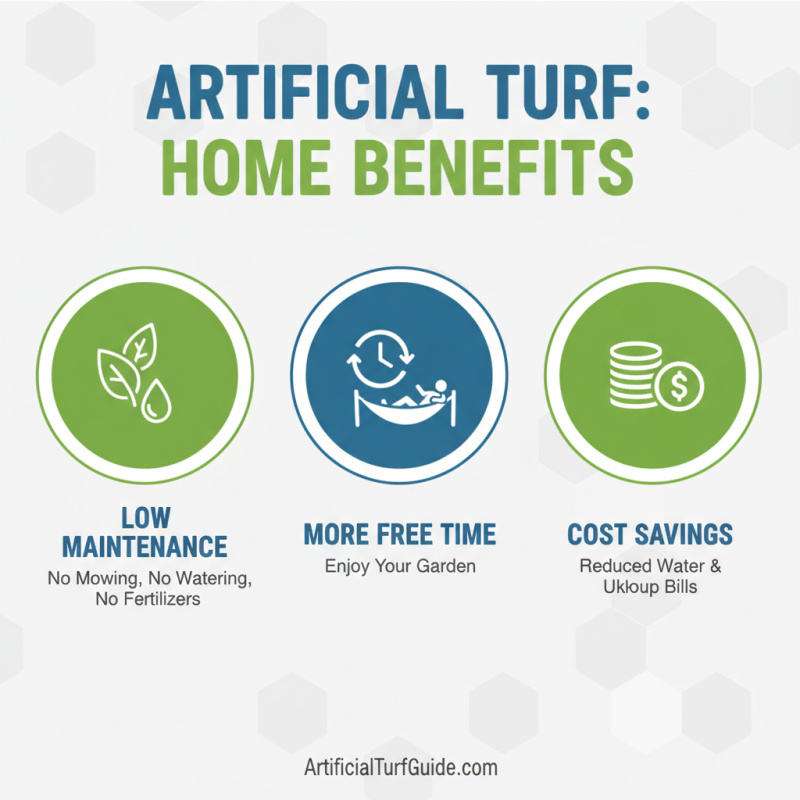
Artificial turf has gained significant popularity among homeowners for its practical benefits. One of the most notable advantages is the low maintenance. Unlike traditional grass, artificial lawns do not require mowing, watering, or chemical fertilization. This means fewer tasks for you, allowing more time to enjoy your garden. Imagine the hours saved each week without lawn care worries.

Furthermore, artificial turf offers year-round aesthetic appeal. It maintains its bright green appearance in various weather conditions. This consistency enhances the beauty of your outdoor space. Consider how a dull patchy lawn can detract from your home’s charm. With synthetic grass, you can have a lush-looking landscape no matter the season.

Additionally, artificial turf can be a safer choice for families with children and pets. It minimizes muddy areas, reducing slips and falls. The soft surface provides a cushion for play activities. However, some may worry about heat absorption during sunny days. It’s important to address these concerns by considering proper ventilation and choosing appropriate materials. Balancing benefits with potential drawbacks ensures you make an informed decision for your home.
Comparing Natural Grass and Artificial Turf: A Comprehensive Analysis

When considering lawn options, the comparison between natural grass and artificial turf can be eye-opening. Natural grass offers a vibrant aesthetic. It cools the surroundings and supports local wildlife. However, maintaining a natural lawn requires significant time, effort, and financial investment. Regular mowing, watering, and fertilizing can become burdensome. Weather conditions also affect grass growth and health.

On the other hand, artificial turf presents an alternative solution. It requires minimal maintenance. No need for watering or mowing reduces your workload. The consistency of artificial turf remains year-round. You can enjoy a green lawn in any season. However, the feel underfoot can sometimes feel unnatural. Some people miss the aroma and texture of real grass. This synthetic option can also lead to higher surface temperatures on hot days.

Ultimately, the choice hinges on personal preference and lifestyle. Each option has its pros and cons. Reflecting on these aspects can help homeowners make informed decisions about their lawns.

Why Choose Artificial Turf Lawn for Your Home and Garden Needs? - Comparing Natural Grass and Artificial Turf: A Comprehensive Analysis

Criteria Natural Grass Artificial Turf
Maintenance High: Requires mowing, watering, and fertilization Low: No mowing, watering, or fertilization needed
Lifespan 1-10 years, depending on care 10-25 years with minimal care
Cost Variable: Costs of installation, maintenance, and water Higher initial cost but lower long-term maintenance
Aesthetic Appeal Natural look, can attract pests Consistent appearance, no pests
Environmental Impact Can be sustainable with proper irrigation Water-saving, but synthetic materials used
Child/Pet Safety Natural, but may contain pesticides Made from safe materials, easy to clean

Cost Considerations: Initial Investment vs. Long-Term Savings

Artificial turf lawns are gaining popularity among homeowners due to their cost-effective nature. According to a report from the Synthetic Turf Council, installing artificial turf can save up to 50% on water costs. This is particularly important as water scarcity increases in many regions. Homeowners often face rising water bills and maintenance costs associated with natural grass. Switching to artificial turf can alleviate these financial burdens significantly.

The initial investment for artificial turf may be higher than natural grass. However, it pays off over time. A study by the University of California found that artificial turf can last 15 to 25 years with proper maintenance. This durability reduces the need for frequent replacements or costly treatments. Additionally, homeowners can enjoy lower lawn care expenses since artificial grass requires minimal upkeep. The elimination of fertilizers and pesticides is also a considerable advantage.

Some concerns may arise regarding its environmental impact. Critics point to the materials used and potential waste at the end of its life cycle. These are valid points for reflection. Despite these concerns, many homeowners find the long-term benefits outweigh the initial challenges. Evaluating both the financial aspects and environmental implications remains crucial when considering a lawn transformation.

Maintenance Requirements: Why Artificial Turf is Low Maintenance

Artificial turf is gaining popularity among homeowners. Its low maintenance requirements are a major factor driving this trend. According to a report by the Synthetic Turf Council, homeowners can save up to 70% on water usage compared to natural grass. This is significant in regions prone to drought. Reducing the need for constant watering is a huge plus.

Maintaining natural grass often involves regular mowing, fertilizing, and pest control. In contrast, artificial turf requires minimal upkeep. Routine brushing and rinsing are often enough to keep it looking fresh. A study from the University of Georgia highlights that artificial turf needs about 50% less maintenance time than natural grass. This leaves more time for enjoying outdoor spaces rather than working on them.

There are still concerns about artificial turf. Some worry about heat retention and environmental impact. Installing a high-quality product can mitigate heat issues. However, the long-term sustainability of materials is worth considering. Balancing these factors can help homeowners make informed decisions.

Environmental Impact: The Sustainability of Artificial Turf Solutions

Artificial turf presents an attractive solution for homeowners focused on sustainability. Research shows natural grass lawns require significant resources, consuming about 55 gallons of water per square foot annually. In contrast, artificial turf conserves water and reduces runoff. A 2019 report by the Environmental Protection Agency highlights how smart landscaping can lower water usage by up to 50%. This shift is essential amid growing water scarcity concerns.

The manufacturing of artificial turf has improved over the years, reducing its environmental impact. Modern materials are often made from recycled plastics. Reports indicate that up to 30% of the components can stem from recycled sources. This not only decreases waste but also conserves natural resources. However, some critics argue that the production of synthetic materials still involves energy-intensive processes, raising questions about their long-term sustainability.

While artificial turf lawns eliminate the need for fertilizers and pesticides, which can pollute local waterways, they do present challenges. The heat absorption of turf can contribute to urban heat islands. Furthermore, end-of-life disposal remains an unanswered issue, with limited recycling options available. Embracing artificial turf may involve weighing these environmental trade-offs. Making informed decisions requires thorough consideration of both benefits and setbacks.