2026 How to Choose the Best Plastic Grass for Your Yard?
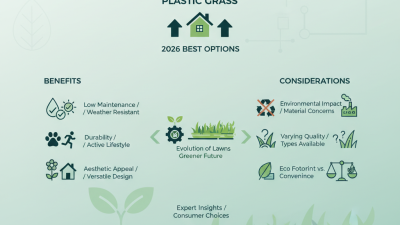
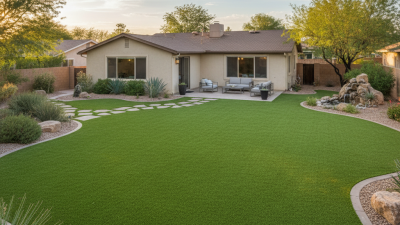
Choosing the right Plastic Grass for your yard is essential. With many options available, the decision can be daunting. You want a product that not only looks great but also fits your lifestyle and needs. Imagine a vibrant lawn without the hassle of maintenance.
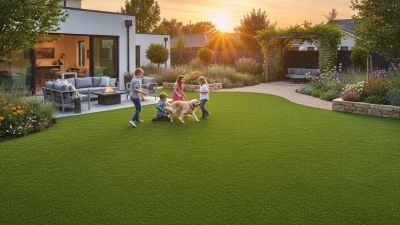
Consider the quality of the Plastic Grass. Not all products are created equal. Some may fade quickly or wear out, leaving you disappointed. Look for UV-resistant options that promise longevity. Think about the texture, too. A softer feel might be desirable for play areas, while a more robust option could be better for high foot traffic.
In addition to aesthetics and durability, reflect on your environment. Different climates may affect the performance of Plastic Grass. Local weather and soil conditions play a role in your choice. Don't overlook installation either. A complicated setup can lead to frustration. Take time to research, as the right Plastic Grass can transform your yard into a beautiful, low-maintenance oasis.
Understanding the Different Types of Synthetic Grass Available
Choosing the right synthetic grass for your yard involves understanding the various types available. There are several categories of artificial turf, each with its unique features. Generally, the main types include
nylon, polyethylene, and polypropylene.
Nylon is durable but can be pricey. Polyethylene is softer and more popular for residential yards. Polypropylene is often used for low-traffic areas since it’s less durable.
When selecting synthetic grass, consider the pile height and density. A taller pile may look lush, but it can also hold more heat. Density affects how natural the grass appears. Some homeowners prefer denser options for a fuller look. Additionally, check the backing material. A sturdy backing ensures longevity.
Mistakes can happen during the choosing process. Some may overlook maintenance requirements. Not all artificial grass is equal in easy upkeep. It’s crucial to evaluate how much time and effort you’re willing to invest. Taking time to research and compare options can prevent regret later.
Factors to Consider When Choosing Plastic Grass for Your Yard
When choosing plastic grass for your yard, consider several key factors. The quality of the materials used greatly affects durability and appearance. High-density polyethylene is often preferred. According to industry reports, high-quality synthetic turf can last 15 to 25 years. So, investing in longevity is crucial.
Look at the pile height, which typically ranges from 1 to 3 inches. Taller grass can look more natural, but it may also require more maintenance. Pay attention to lead content. Some cheaper options might contain harmful substances. Data shows that safer materials are gaining popularity, reflecting consumer demand for non-toxic products.
Tip: Choose a color variation for a more natural look. Blends that mimic real grass can enhance aesthetics. Also, consider infill options. Good infill can aid drainage and improve longevity.
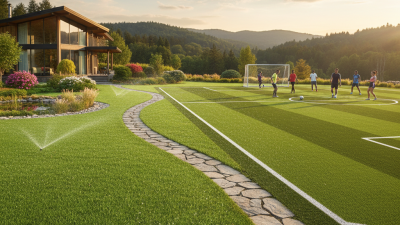
Evaluate the installation process, too. Some grass types are easier to install. DIY can save money, but improper installation leads to issues down the line. Reflect on your goals for the yard. Is it for play, relaxation, or aesthetics? Answering this can guide your decision. Balancing all these factors will help you select the best plastic grass for your needs.
Factors to Consider When Choosing Plastic Grass for Your Yard
This chart illustrates the key factors to consider when selecting plastic grass for your yard, showcasing their relative importance based on a survey of homeowners.
Evaluating Durability and Maintenance Requirements of Artificial Turf
Choosing the right plastic grass for your yard can be a daunting task. Evaluating durability is crucial. Artificial turf is designed to withstand harsh weather, heavy foot traffic, and UV rays. However, not all options are created equal. Some may fade quickly or fray at the edges. Checking the material quality is essential.
Maintenance requirements also vary. Some artificial turfs need frequent brushing to keep the fibers upright. Others may require occasional rinsing to remove dirt and debris. When selecting turf, consider how much time you're willing to invest in maintenance.
**Tips:** Look for products that come with warranties. A longer warranty often indicates better durability. Try to visualize how the turf will fit into your landscape. Be realistic about your yard’s usage. An active family might need sturdier options. Explore different styles and colors that suit your home.
2026 How to Choose the Best Plastic Grass for Your Yard? - Evaluating Durability and Maintenance Requirements of Artificial Turf
| Features |
Low-End Turf |
Mid-Range Turf |
High-End Turf |
| Durability (years) |
5-7 |
8-12 |
15-20 |
| Maintenance Frequency |
Monthly |
Every 6 weeks |
Twice a year |
| Cost per square foot |
$2.00 - $3.00 |
$3.00 - $5.00 |
$5.00 - $10.00 |
| Heat Resistance |
Moderate |
High |
Very High |
| Infill Requirement |
Yes |
Optional |
No |
Cost Analysis: Budgeting for Installation and Long-Term Care
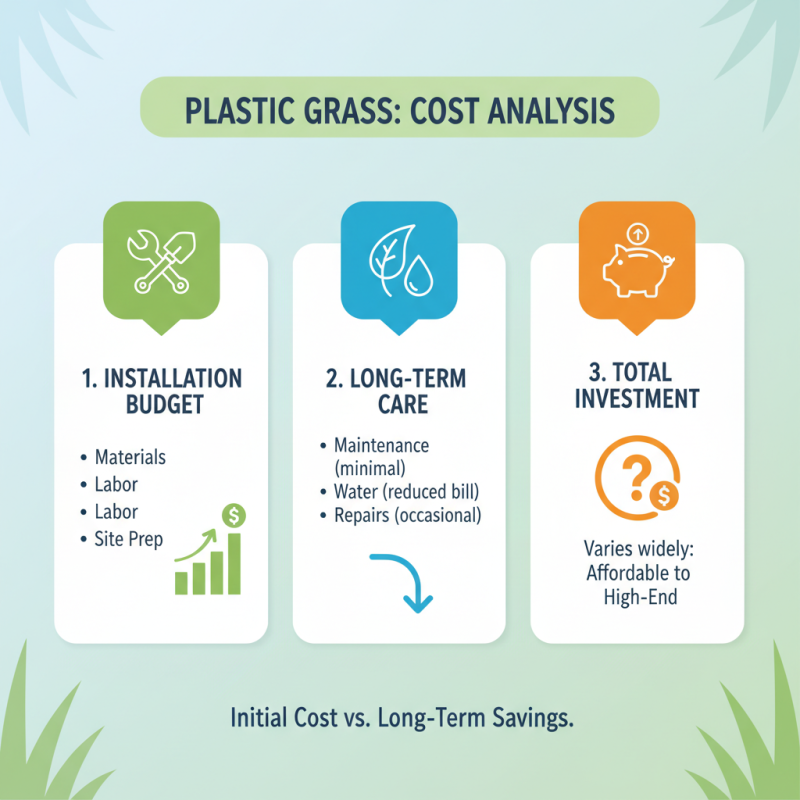
Installing plastic grass can be a significant investment for your yard. Budgeting for installation is often the first step. Consider the area you want to cover and the type of plastic grass you choose. Costs can vary greatly, with some options being very affordable while others carry a high price tag. This initial cost includes materials, labor, and any necessary preparations to your yard.
Long-term care is another crucial aspect. Although plastic grass requires less maintenance than natural grass, some attention is still needed. Over time, you may need to clean it, replace worn patches, or address drainage issues. These expenses can add up and should be factored into your budget. Ensure you have a plan for regular upkeep to avoid surprises later.
Take time to assess your needs. Reflect on how often you entertain or use your yard. If it's a high-traffic area, more durable options might be necessary. Balancing your budget against long-term satisfaction is essential. Consider the trade-offs before making a decision.
Environmental Impact and Benefits of Using Synthetic Lawn Solutions
The environmental impact of synthetic lawns often sparks debate. One of the major benefits of using plastic grass is reduced water consumption. Traditional lawns require regular watering. In contrast, synthetic lawns need minimal maintenance. This leads to significant water savings, especially in drought-prone regions.
However, there are potential downsides. Plastic grass can cause heat retention, making surrounding areas warmer. It may also contribute to microplastic pollution over time. Installing synthetic lawns might seem attractive, but environmental consequences need careful consideration. The long lifespan of synthetic turf can result in large amounts of waste when it eventually needs replacement.
Choosing the right synthetic lawn requires weighing these factors. Look for eco-friendly products with a lower carbon footprint. Investigate how materials are sourced. It’s crucial to consider the balance between convenience and sustainability. Thoughtful choices can lead to a beautiful yard that also respects the environment.

 +86 19005411400+86 15006803065
 Contact Phone
 Contact Email