How to Choose the Right Clear PVC Tarpaulin for Your Needs?
When choosing a Clear PVC Tarpaulin, it's essential to understand your specific needs. As industry expert David R. Lawson puts it, “A tarp is only as good as its application.” This highlights the importance of matching the right material to your intended use.
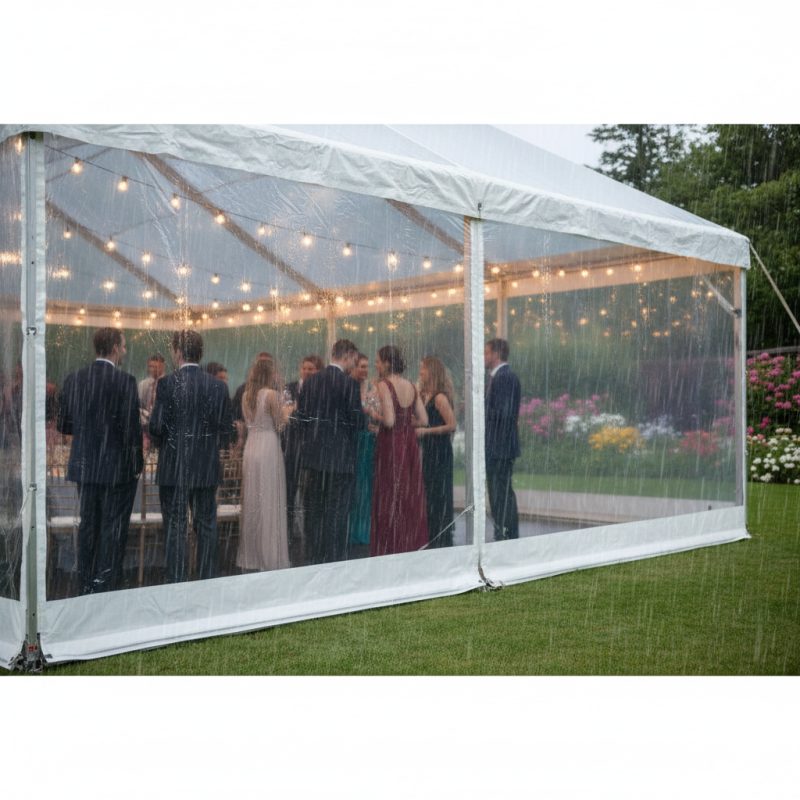
The market offers various types of Clear PVC Tarpaulins designed for different purposes. Some are ideal for outdoor installations, while others shine in indoor settings. Clear PVC Tarpaulins can protect against weather, while still allowing visibility. A vivid example is using them for event tents, where both protection and transparency are crucial.
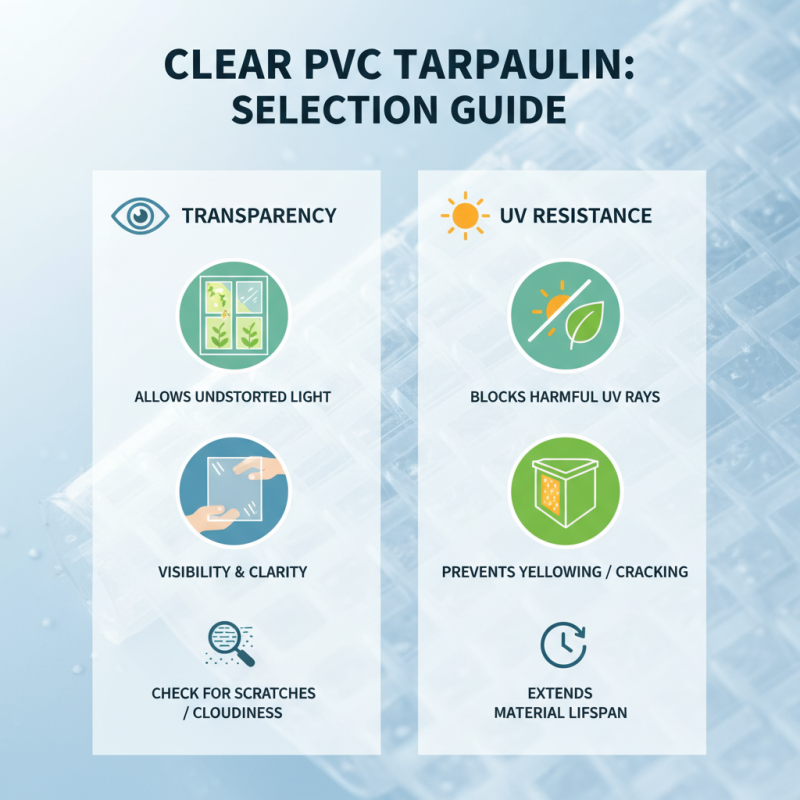
However, selecting the right product can be tricky. Not all Clear PVC Tarpaulins are created equal. Paying attention to thickness, UV resistance, and durability matters significantly. You might find yourself overwhelmed by options. Reflect on what you really need. Make informed choices to avoid future regret.
Understanding Clear PVC Tarpaulin: Key Properties and Benefits
Clear PVC tarpaulin is a versatile material widely used in various applications. Its transparency allows for light transmission and visibility, making it ideal for events and temporary structures. However, not all clear PVC tarpaulins are created equal; understanding their key properties is essential for effective use.
Durability is a crucial factor. A clearer tarpaulin often means a thinner material, potentially sacrificing strength. Heavy-duty options exist but may compromise flexibility. Moreover, weather resistance is vital. Clear PVC can withstand rain and UV rays, but prolonged exposure can lead to wear and tear. Consider where and how you will use the material.
Another important aspect is maintenance. While clear PVC is easy to clean, it can develop scratches that obscure clarity over time. Regular upkeep is necessary to maintain its aesthetic and functional benefits. Choose wisely, based on your specific needs, and keep in mind that finding the perfect balance between clarity, strength, and maintenance can be challenging.
Evaluating Durability and Weather Resistance in PVC Tarpaulins
When selecting a clear PVC tarpaulin, durability and weather resistance are crucial. A quality tarpaulin should withstand harsh conditions like heavy rain and UV exposure. Look for thickness, which often indicates strength. A thicker material can resist tears and abrasions better. However, thicker does not always mean better. It can be heavier and harder to handle.
Consider how the tarpaulin will be used. If it’s for outdoor events, ensure it can endure wind gusts. Always check ratings for wind and rain resistance. Many might overlook these ratings, thinking all tarpaulins are similar. This belief can lead to regret when a tarpaulin fails in a storm.
Evaluating temperature resistance is also essential. Some tarps may become brittle in freezing conditions. Others might degrade under extreme heat. Pay attention to these factors during your selection. It's easy to focus solely on the price, but investing in quality pays off. Making a choice without complete information can lead to unforeseen challenges later.
Determining the Right Thickness and Weight for Your Specific Needs
When selecting a clear PVC tarpaulin, thickness and weight are crucial. A thicker tarp offers more durability and protection against tears. However, this can make it heavier and less convenient for mobility. Consider where you will use the tarp. Will it be in a stationary location or will you need to transport it frequently?
For lighter projects, a thickness of around 0.5mm is often sufficient. This weight allows for flexibility while still providing decent weather resistance. If you anticipate more wear and tear, opt for 0.75mm or thicker. It’s worth noting that heavier tarps can be challenging to handle, especially in windy conditions.
**Tips:** Look for samples if possible. Testing them can offer insights into usability. Think about your project environment. A light-weight tarp works indoors, but for outdoor needs, thicker options shine. Take careful measurements to ensure a proper fit for your intended use. If unsure, don't hesitate to consult quality resources for guidance.
Identifying Application Areas: Commercial vs. Residential Uses of PVC Tarps
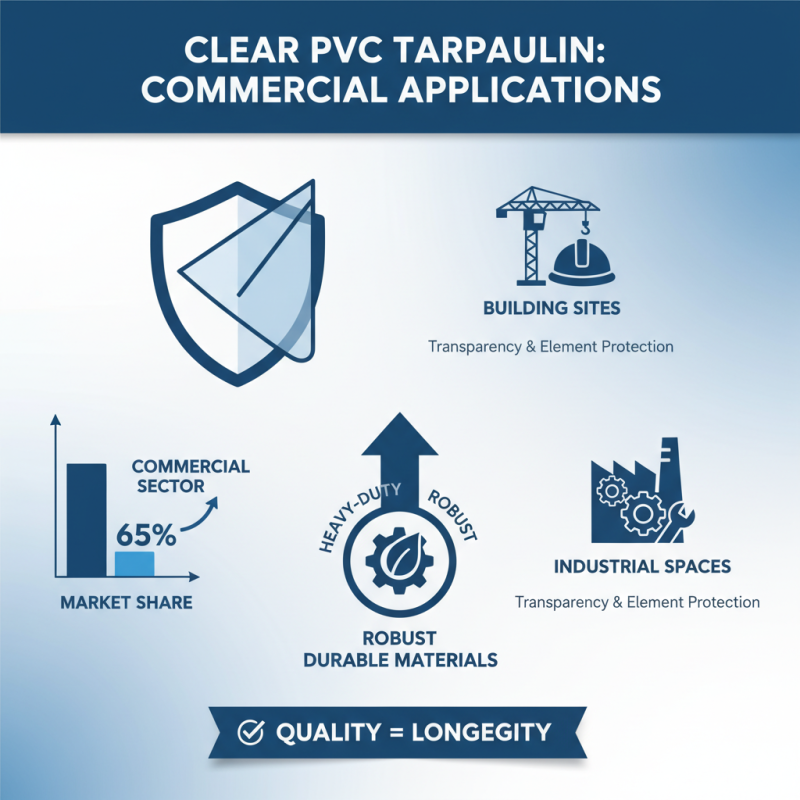
When selecting the right clear PVC tarpaulin, understanding the application areas is crucial. Commercial uses often require more durable materials. PVC tarps in these settings can withstand heavy-duty operations. For instance, building sites and industrial spaces rely on tarps that offer transparency while safeguarding against the elements. Reports indicate that the commercial sector accounts for around 65% of the PVC tarp market. This emphasizes the demand for high-quality, robust options.
In contrast, residential uses of PVC tarps are generally lighter and more versatile. These are often utilized for outdoor gatherings, home repairs, or temporary shelters. A survey shows that 35% of consumers choose PVC tarps for home use. While they may not need the same durability as commercial-grade tarps, quality still matters. Many homeowners appreciate flexibility and ease of setup. However, a common issue is underestimating the tarp's strength when faced with unexpected weather. Such oversights remind users of the need for thorough research.
Recognizing the difference between these two areas guides better choices. Selecting the appropriate PVC tarp can save clients time and money. However, one must reflect on their actual needs versus perceived requirements. This awareness ensures that they invest in the right product for their specific situation.

 +86 19005411400+86 15006803065
 Contact Phone
 Contact Email