Why Choose Artificial Grass for Your Outdoor Space?
In recent years, the popularity of Artificial Grass has surged markedly. A report by the Synthetic Turf Council reveals that sales of artificial turf have doubled over the past five years, reaching $3 billion in 2022. This growth highlights a shift towards sustainable landscaping solutions. Industry expert Dr. Emily Harrison, a leading figure in ecological turf technologies, states, "Artificial Grass offers a water-efficient alternative for homeowners and businesses alike."
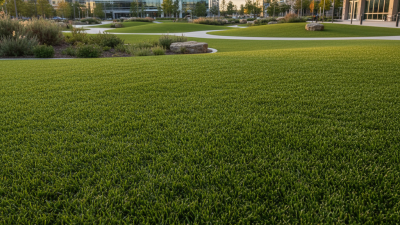
Choosing Artificial Grass for your outdoor space can transform the aesthetic and functional aspects of your environment. It requires minimal upkeep, reducing the time spent on lawn care. In addition, its durability is noteworthy; it can withstand high foot traffic without losing its lush appearance.
However, some still question its environmental impact. While it conserves water and eliminates the need for pesticides, the production process requires careful consideration. Additionally, not all options on the market are equally sustainable. When selecting Artificial Grass, thorough research is essential to ensure quality and environmental responsibility.
Benefits of Artificial Grass for Homeowners
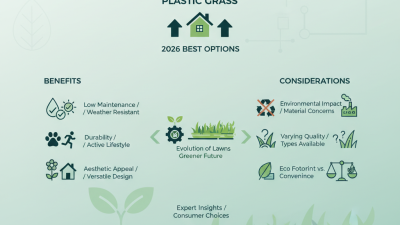
When considering options for your outdoor space, artificial grass stands out. Many homeowners are drawn to its low maintenance requirements. Unlike natural grass, it doesn't require mowing, watering, or fertilizing. This not only saves time but also reduces water bills. The vibrant look of artificial grass remains year-round, making it appealing regardless of changing seasons.
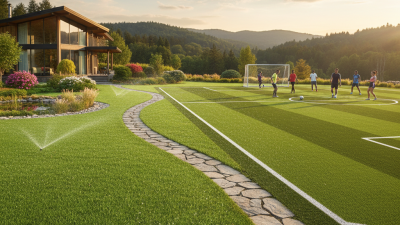
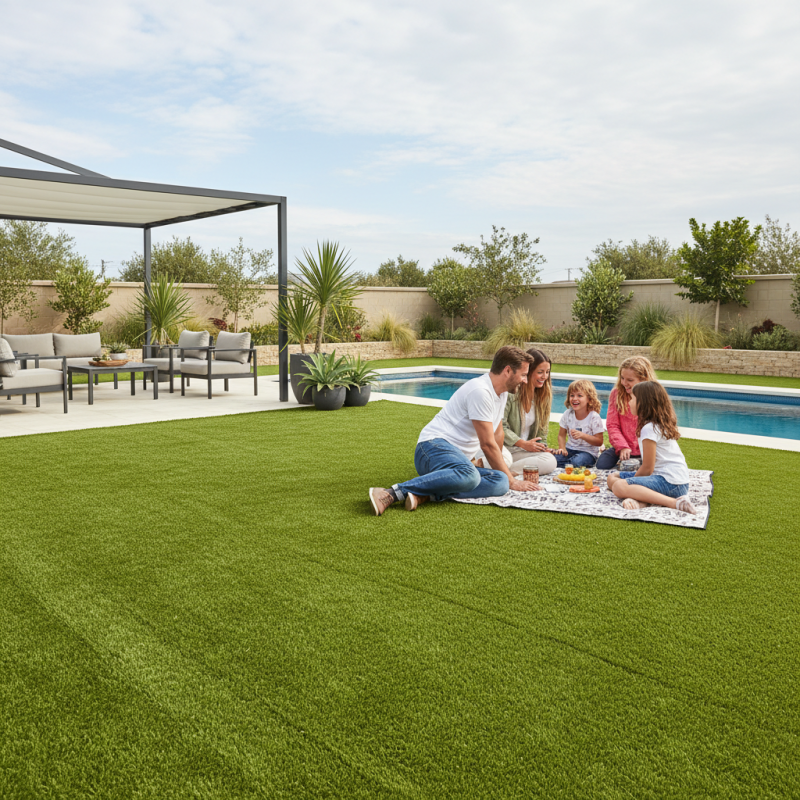
Outdoor spaces often become gathering spots for friends and family. With artificial grass, you can create a beautiful area for relaxation and play. Children can roll around without the worry of muddy shoes. Pets can enjoy the softness under their paws, providing a safe place to play. However, it’s essential to ensure proper installation to avoid drainage issues.
**Tip:** Choose infill materials that enhance drainage. This helps prevent puddling during heavy rains.
Durability is another key benefit. Quality artificial grass can withstand heavy foot traffic and extreme weather. You might overlook the initial investment, but the long-lasting nature makes it worthwhile. Yet, be mindful of selecting high-quality products to avoid fading and wear over time.
**Tip:** Regularly inspect your artificial lawn for any signs of wear or damage. Early detection can save you from costly repairs.
Benefits of Artificial Grass for Homeowners
Environmental Impact of Choosing Artificial Grass
Artificial grass has gained popularity for various reasons, especially for its environmental impact. Traditional lawns require extensive water usage. According to the Environmental Protection Agency (EPA), about 30% of residential water is used for landscaping. With artificial grass, this water consumption drops significantly, saving thousands of gallons annually.
Moreover, artificial grass eliminates the need for pesticides and fertilizers. These chemicals can lead to soil and water contamination. A study from the University of California indicates that reducing chemical use helps biodiversity in local ecosystems. While the initial installation may seem costly, the long-term environmental benefits are substantial.
Tip: Consider the lifespan of artificial grass. It can last 15-20 years, making it a sustainable choice.
Another consideration is heat retention. Turf can become significantly hotter than natural grass. This can impact nearby areas, potentially increasing local temperatures. It's essential to weigh this factor against the benefits of reduced water usage.
Tip: Look for options that include cooling technology to mitigate heat issues.
Choosing artificial grass is a thoughtful decision. Understanding its environmental implications allows for more sustainable landscaping practices.
Why Choose Artificial Grass for Your Outdoor Space? - Environmental Impact of Choosing Artificial Grass
| Aspect |
Artificial Grass |
Natural Grass |
| Water Usage (per year) |
0 gallons |
30,000 gallons |
| Carbon Footprint (CO2 emissions) |
Minimal |
High due to mowing |
| Chemicals Required |
None |
Fertility and pesticides |
| Life Span |
15-25 years |
5-10 years |
| Maintenance Required |
Low |
High |
Cost Comparison: Artificial Grass vs. Natural Lawn
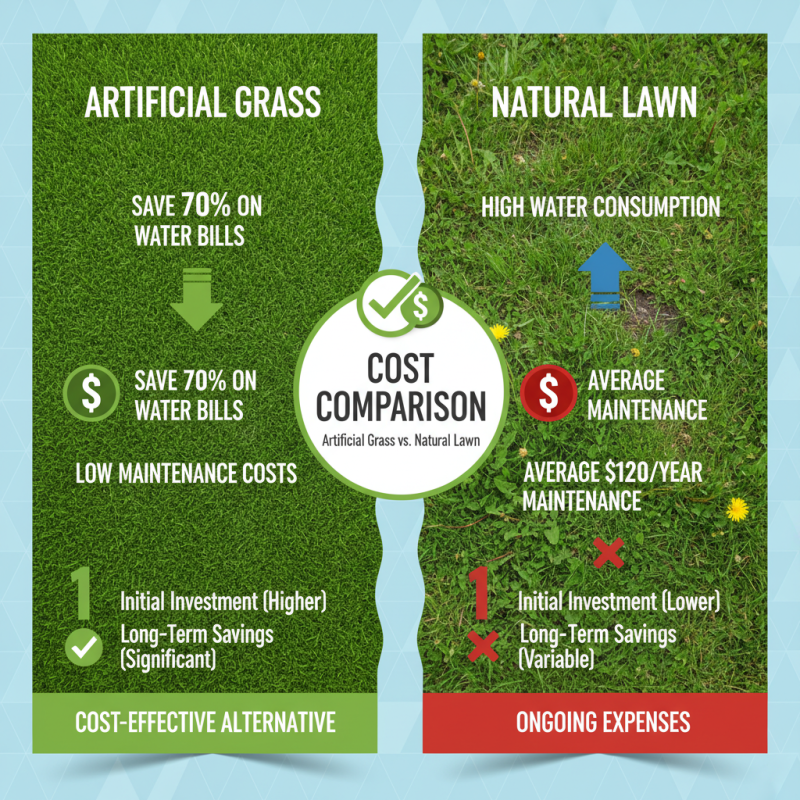
Artificial grass is gaining popularity as a cost-effective alternative to natural lawns. According to industry studies, homeowners can save approximately 70% on water bills after installing artificial grass. This is significant, especially in regions facing drought and water restrictions. Natural lawns require regular watering, mowing, and fertilizing, which adds to the overall cost. HomeAdvisor reports that maintaining a natural lawn can average about $1,200 annually, including upkeep and resources.
In contrast, the initial investment for installing artificial grass can range from $5 to $20 per square foot. While this might seem high, think of the long-term savings. Over 15 years, the upkeep costs for natural grass can exceed $18,000, factoring in water, maintenance, and pest control. Meanwhile, artificial grass needs minimal maintenance—just occasional brushing and rinsing. This durability makes it an attractive prospect for many homeowners.
However, it's crucial to note that the lifespan of artificial grass varies. Some lower-quality products may wear out in 5-7 years. Choosing high-quality materials can mitigate this issue, yet it requires careful research. Homeowners should weigh their options carefully to avoid potential pitfalls. Balancing upfront costs with long-term savings is key to making an informed decision.
Maintenance Requirements for Artificial Grass
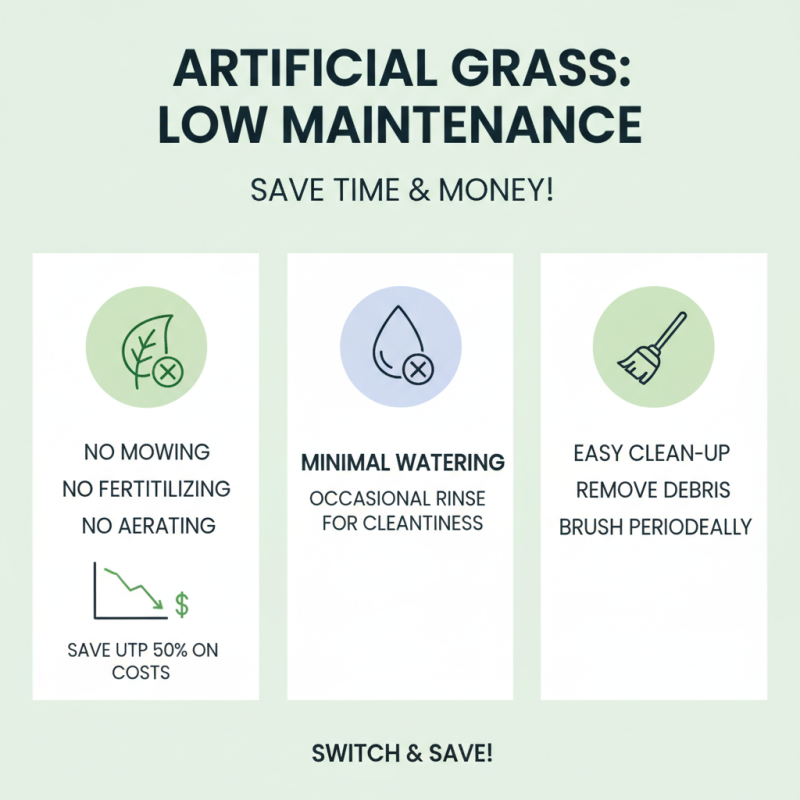
Artificial grass has gained popularity for outdoor spaces due to its low maintenance requirements. Unlike natural grass, artificial turf does not need regular mowing, aerating, or fertilizing. According to a recent industry report, homeowners can save up to 50% on lawn maintenance costs by switching to artificial grass. This makes it an appealing option for those looking to reduce long-term expenses.
Cleaning artificial grass is straightforward. A simple rinse with a hose is often sufficient to remove dust and debris. For heavier soiling, a mixture of water and mild detergent can be used. It’s essential to keep an eye on your turf, as organic materials can lead to odors or mold. Regularly brushing the grass helps maintain its appearance and can prevent matting.
*Tip: Invest in a leaf blower to efficiently clean your artificial lawn. It’s quick and keeps your turf looking fresh.*
While artificial grass is durable, it can sometimes develop issues like fading or underlying weeds. Monitoring for weeds is vital, as they can still grow through seams. Although the upkeep is minimal, you may need to replace sections over time. Addressing these minor concerns promptly can extend the lifespan of your installation.
*Tip: Use a UV-resistant tarp during extreme sun exposure to minimize fading.*
Aesthetic Appeal and Customization Options of Artificial Grass
When considering artificial grass for your outdoor space, aesthetic appeal plays a crucial role. It offers a pristine look that stands out. The vibrant colors mimic natural grass, creating a welcoming environment. Homeowners can select shades that complement their landscape. This customization allows for personal expression in outdoor areas.
Beyond color, the texture of artificial grass enhances its visual appeal. With various pile heights and densities available, you can achieve the look you desire. High-quality options feel soft underfoot, offering comfort and beauty simultaneously. However, not all products are created equal. Some may not withstand wear and tear over time, becoming less appealing.
In terms of design, artificial grass is versatile. It can be used in gardens, patios, or play areas. Custom shapes and sizes cater to different layouts, enhancing functionality. Yet, it is essential to consider drainage and sunlight exposure for sustainability. This attention ensures your outdoor area remains as beautiful as envisioned, year after year.

 +86 19005411400+86 15006803065
 Contact Phone
 Contact Email