How to Choose the Best Artificial Grass for Your Lawn and Garden?
Choosing the right Artificial Grass can transform your lawn and garden. This decision impacts aesthetics and maintenance. High-quality grass can elevate the beauty of your outdoor space.
Finding the best option is not always easy. You must consider factors like durability, color, and texture. While some products may look appealing, they may not withstand wear and tear. It's essential to balance style with function.
Additionally, consider your local climate. Some grass types perform better in specific conditions. Research is crucial to avoid costly mistakes. Reflect on your yard's needs and your lifestyle. A little extra thought can lead to a stunning, low-maintenance garden.
Understanding the Different Types of Artificial Grass Available
When choosing artificial grass, understanding the various types is crucial. There are several options, each with unique features. Polyethylene is popular for its realistic look. It’s soft and durable, making it ideal for lawns and play areas. In contrast, polypropylene is often cheaper. However, it’s less resilient and may fade over time. Choosing the right material impacts longevity and appearance.
Nylon grass is another option. It's known for its strength and ability to withstand heavy foot traffic. According to industry reports, nylon can last up to 15 years with proper care. That’s impressive compared to other materials. In a growing market, the global artificial grass sector is expected to reach $5 billion by 2025. This highlights the increasing preference for synthetic options.
It's essential to consider the intended use of the grass, as some types perform better in specific conditions. For instance, some grass types drain well, while others might retain water. This can lead to maintenance issues. Reflecting on the choice of artificial grass, it’s vital to weigh durability against aesthetics. Ultimately, the best option depends on your specific needs and environmental factors.
Assessing Durability and Maintenance Requirements of Artificial Turf
When choosing artificial grass, durability is key. Consider the materials used in your turf. High-quality polyethylene fibers can withstand various climates. They resist fading, ensuring a vibrant lawn for years. Different options offer various levels of UV resistance. Check how the product performs in extreme temperatures.
Maintenance is another important factor. Although artificial turf requires less upkeep than natural grass, it still needs care. Regular brushing and rinsing can prevent dirt and debris buildup. Some products may need infill, which adds weight and stability. Understand your commitment to maintenance before making a choice.
Reflecting on personal preferences is crucial. Ask yourself how much time you are willing to invest. While some people appreciate the look of lush grass, others desire low effort. Examine the option that fits your lifestyle best. Balance your aesthetic dreams with realistic upkeep expectations.
How to Choose the Best Artificial Grass for Your Lawn and Garden? - Assessing Durability and Maintenance Requirements of Artificial Turf
| Type of Artificial Grass |
Durability (years) |
Maintenance Requirements |
Infill Options |
Cost per Square Foot (USD) |
| Residential Turf |
10-15 |
Low: Rinse and brush |
Rubber, Sand |
$2.00 - $3.50 |
| Commercial Turf |
15-20 |
Medium: Occasional grooming |
Sand, Zeolite |
$3.50 - $5.00 |
| Sports Turf |
10-15 |
High: Regular maintenance required |
Rubber, Sand |
$4.00 - $8.00 |
| Pet Turf |
10-15 |
Medium: Wash and deodorize |
Crushed Granite, Sand |
$3.00 - $5.50 |
Evaluating Aesthetic Qualities: Color, Texture, and Realism
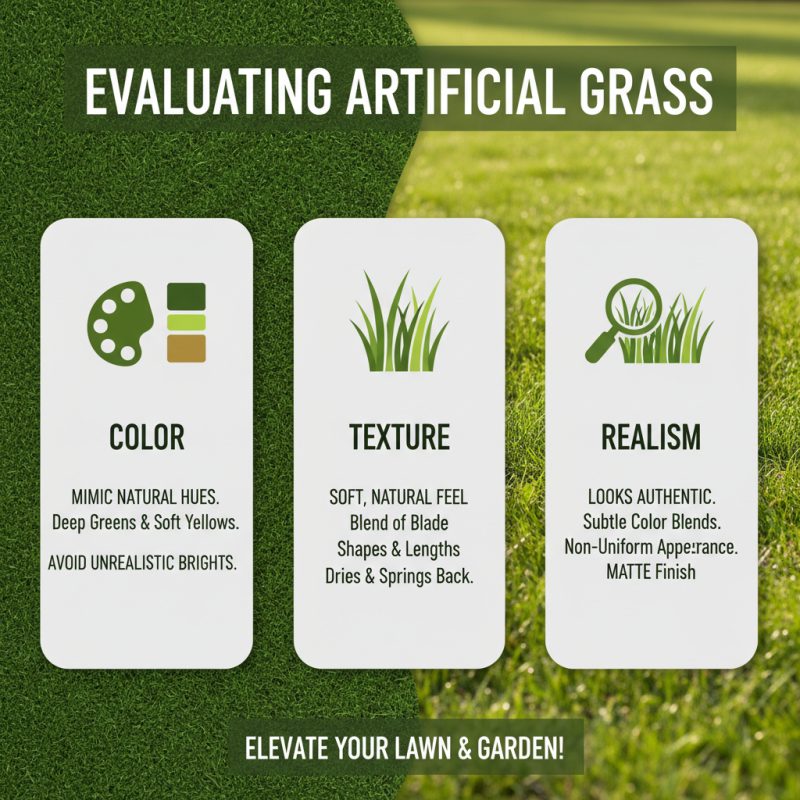
When choosing artificial grass for your lawn and garden, color, texture, and realism play crucial roles. The right shade can elevate the entire space. Look for colors that mimic natural grass, like deep greens or soft yellows. Avoid overly bright or unrealistic hues, as they can detract from the overall appearance. A subtle blend of colors often looks more appealing.
Texture adds to the lifelike feel of artificial grass. Look for options that replicate the softness of natural grass. Different textures can create unique experiences underfoot. Running bare feet through a realistic, soft surface feels different than a coarse one. Yet, many brands offer similar feels, making it tough to choose. It’s worth testing a few samples before deciding.
Realism is another important factor. Some products look great from afar but seem artificial up close. Inspect the blades carefully. They should vary in height and thickness. A flat look can cheapen your garden's aesthetic. Nobody wants to display a lawn that looks like plastic. A bit of personal reflection often helps in this selection process.
Budgeting for Installation and Long-Term Costs of Artificial Lawn Solutions
When budgeting for artificial grass, consider not only the initial installation cost but also long-term expenses. The price of synthetic turf varies significantly. Costs depend on the quality of grass, installation techniques, and the area to be covered. Often, cheaper options may save money upfront but lead to higher replacement costs down the line.
Installation is just the beginning. Regular maintenance is still necessary, although less than natural lawns. Periodic cleaning and reseeding may be required. It's essential to factor in these costs. Some homeowners overlook these details, assuming artificial turf is completely maintenance-free. In truth, every lawn needs care, even synthetic ones.
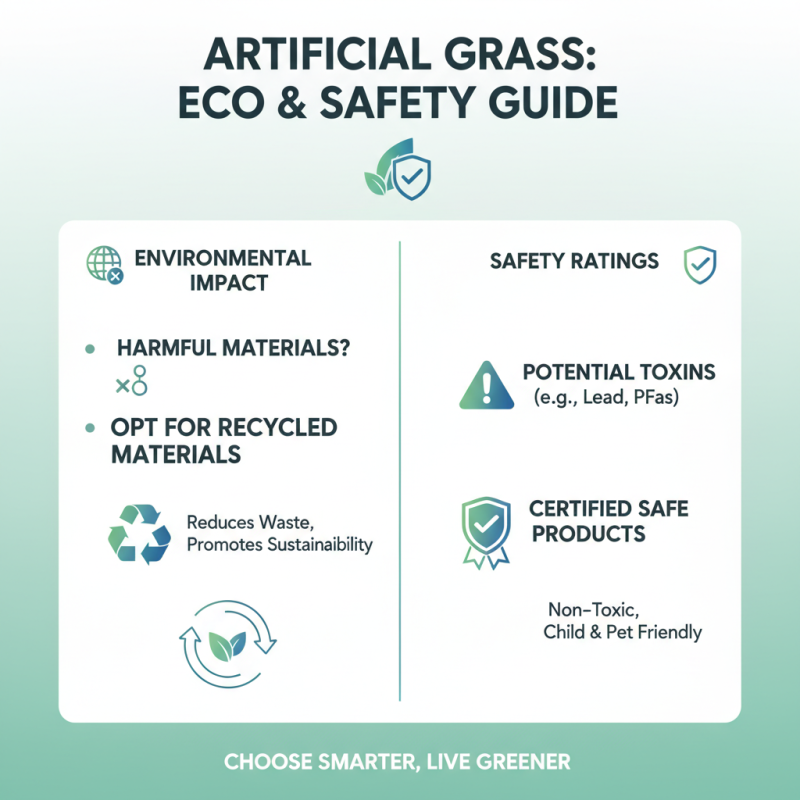
In the long run, consider the environmental impact, too. Artificial grass can contribute to heat retention in urban areas. Assess the trade-offs. While it saves water and eliminates mowing, it has its drawbacks. Reflect on your specific needs and lifestyle. Choose wisely, keeping both immediate and future costs in mind.

 +86 19005411400+86 15006803065
 Contact Phone
 Contact Email