10 Clear Plastic Tarpaulin Tips for Home and Garden Projects?
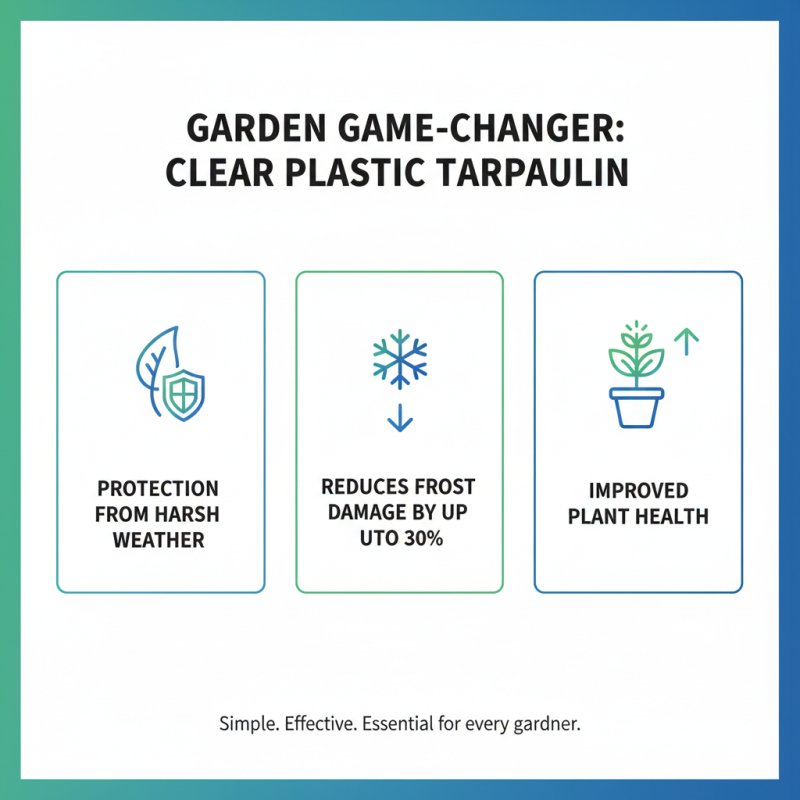
When it comes to home and garden projects, using a Clear Plastic Tarpaulin can make a significant difference. This versatile material is perfect for protecting your plants or creating temporary shelters. However, many people overlook its potential. A clear tarpaulin not only keeps things dry but also allows sunlight to penetrate, promoting plant growth.
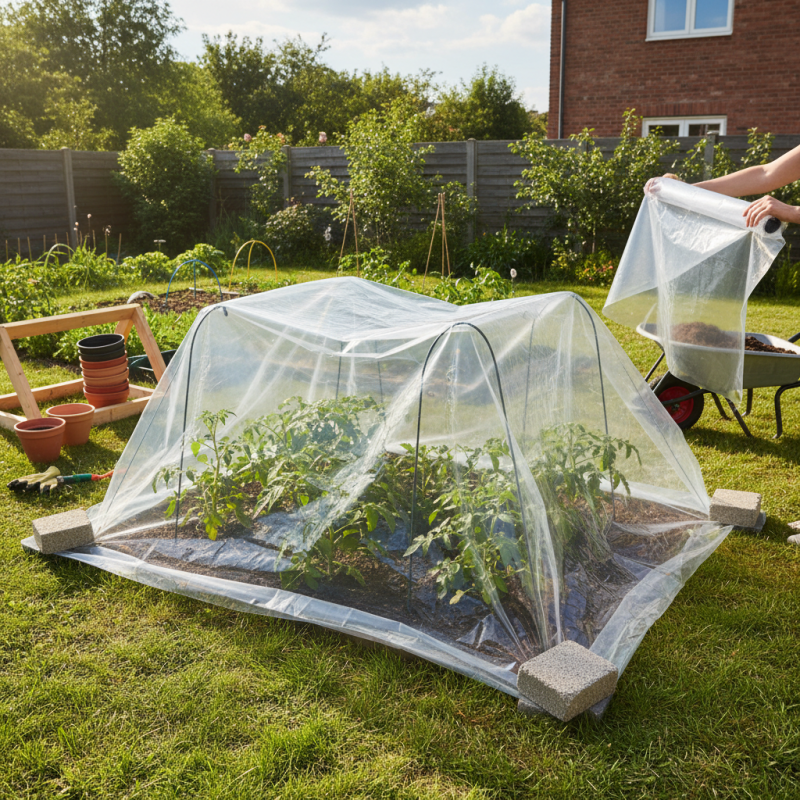
It's essential to use this material wisely. For instance, a poorly secured tarpaulin can easily blow away in the wind. Consider using weights or stakes to hold it in place. Additionally, some may forget to check for holes or tears before use. These small oversights can lead to disappointing results.
Understanding how to effectively use a Clear Plastic Tarpaulin can enhance your gardening and home improvement efforts. Experimentation may be necessary to find the best applications. With these tips, you'll be more equipped to tackle various projects, ensuring a more satisfying experience outdoors.
Selecting the Right Type of Clear Plastic Tarpaulin for Your Project
When selecting the right type of clear plastic tarpaulin for your home and garden project, consider the material’s thickness. Thicker tarps are more durable. They can withstand harsh weather conditions better than thinner options. However, they may be less flexible. Choose a thickness that balances durability and usability for your needs.
Pay attention to the tarp’s UV resistance. If you plan to use it outdoors, UV protection is essential. It prevents the tarp from breaking down under sun exposure. This durability means less frequent replacements. Remember, a high-quality tarp can be a bit pricey but often pays off in longevity.
Evaluate the size and purpose carefully. A tarp for a greenhouse should differ from one for a protective cover. Measure your area first, but be open to adjusting your plan. Choosing the wrong size could lead to waste. If you’re unsure, consult resources that offer guidance on common tarp applications. Make room for trial and error as you learn the ropes with your projects.
10 Clear Plastic Tarpaulin Tips for Home and Garden Projects
| Tip Number |
Tip Description |
Best Use Case |
Material Thickness |
Waterproof Rating |
| 1 |
Choose UV-resistant tarpaulin to minimize deterioration. |
Outdoor furniture covering |
0.5 mm |
High |
| 2 |
Use reinforced edges for added durability. |
Greenhouses |
0.6 mm |
Very High |
| 3 |
Select a lightweight option for easy handling. |
Temporary shelter |
0.3 mm |
Moderate |
| 4 |
Consider transparent tarpaulin for aesthetic purposes. |
Patios |
0.2 mm |
Low |
| 5 |
Ensure proper anchoring to prevent wind damage. |
Camping |
0.7 mm |
High |
| 6 |
Select color options for specific needs like privacy. |
Privacy screens |
0.5 mm |
Very High |
| 7 |
Avoid using in extremely high temperatures to prevent melting. |
Outdoor shading |
0.4 mm |
Medium |
| 8 |
Use tarpaulin that is easy to clean and maintain. |
Garden use |
0.5 mm |
High |
| 9 |
Check for compliance with safety standards for heavy-duty uses. |
Building site covers |
1 mm |
Very High |
| 10 |
Buy from reputable sources to guarantee quality. |
General purpose |
0.8 mm |
High |
Measuring and Cutting Clear Plastic Tarpaulin Effectively
Measuring and cutting clear plastic tarpaulin can be straightforward, but it requires careful attention. Start by gathering the necessary tools. You’ll need a measuring tape, a marker, and sturdy scissors. Always measure twice before cutting. This helps avoid costly mistakes. It's easy to misjudge measurements, especially when working with larger sheets.
When marking your cut lines, use a straight edge for precision. This will help you achieve a clean, straight edge. Small errors can lead to uneven cuts. If you find that you’ve made a mistake, don’t panic. Sometimes, you can adjust your project to accommodate the error. Consider how you can repurpose any leftover pieces as well.
After cutting, inspect the edges. They may be uneven, so take a moment to trim any rough spots. A clean edge not only looks better but helps with functionality. Reflect on your process; if you're unhappy with the result, think about what went wrong. Each project teaches you something new for next time.
Plastic Tarpaulin Usage Tips for Home and Garden Projects
Securing Tarpaulin for Maximum Stability in Windy Conditions
When working with clear plastic tarpaulin, securing it against strong winds is crucial. Wind can easily lift loose tarps, causing damage or injury. To prevent this, start by choosing heavy-duty stakes. They can hold the tarp in place better than lightweight options. Make sure they're driven deep into the ground for added stability.
Another effective method is to use sandbags. Placing these along the edges helps weigh down the tarp. This can be particularly useful for garden projects where securing the corners might be tricky.
Don’t forget to check the tightness. A flapping tarp is less secure and can create unnecessary noise.
Ventilation matters too. If the tarp becomes too tight, wind pressure could lift it. Creating small vents helps maintain airflow while keeping it secure. You’ll find that allowing for some movement can prevent tearing. A balance between snug and loose can be hard to achieve. It may require some trial and error, but it's essential for durability in gusty conditions.
Creative Uses of Clear Plastic Tarpaulin in Home Decor Projects
Clear plastic tarpaulin is a versatile material for home decor projects. It offers an unobtrusive way to enhance spaces while providing protection.
One creative use is creating a temporary greenhouse. Just drape the tarp over a frame. This method allows sunlight in while keeping plants safe from frost. It’s an easy solution, but setting it up can be tricky. You may need extra hands, and adjustments might be necessary.
Another idea is using the tarpaulin for wall art. Cut designs or shapes and hang them from the ceiling. The light passing through creates interesting patterns. However, achieving the right look requires experimentation. You may find some designs don’t translate well from paper to tarp. It’s an ongoing process that can lead to unexpected but beautiful outcomes. Don’t hesitate to try different techniques; the beauty lies in the imperfections.

 +86 19005411400+86 15006803065
 Contact Phone
 Contact Email