10 Essential Tips for Choosing the Best Garden Turf for Your Lawn?
Choosing the right Garden Turf can be a daunting task. With so many options available, it’s easy to feel overwhelmed. Renowned landscaper Sarah Thompson emphasizes, "The right turf makes all the difference for a lush, vibrant lawn." Her expertise sheds light on the importance of making informed decisions.
When selecting Garden Turf, consider your specific needs. Different types of turf thrive in various conditions. For instance, some grasses handle shade well, while others prefer direct sunlight. Understanding your lawn's environment is crucial. It helps ensure that your choice will flourish over time.
Moreover, think about maintenance ease. Some turfs require more watering and fertilization than others. This factor can affect your long-term satisfaction. Take time to evaluate how much effort you’re willing to invest. An ideal choice balances aesthetics with practical upkeep needs. Remember, a beautiful lawn starts with informed choices in Garden Turf.
Understanding Different Types of Garden Turf Available for Lawns
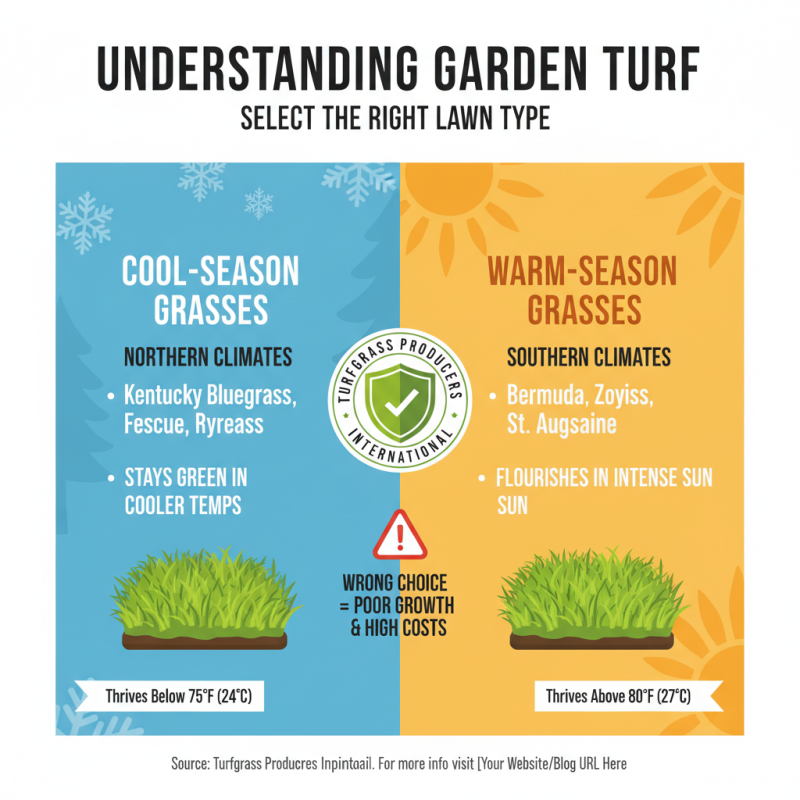
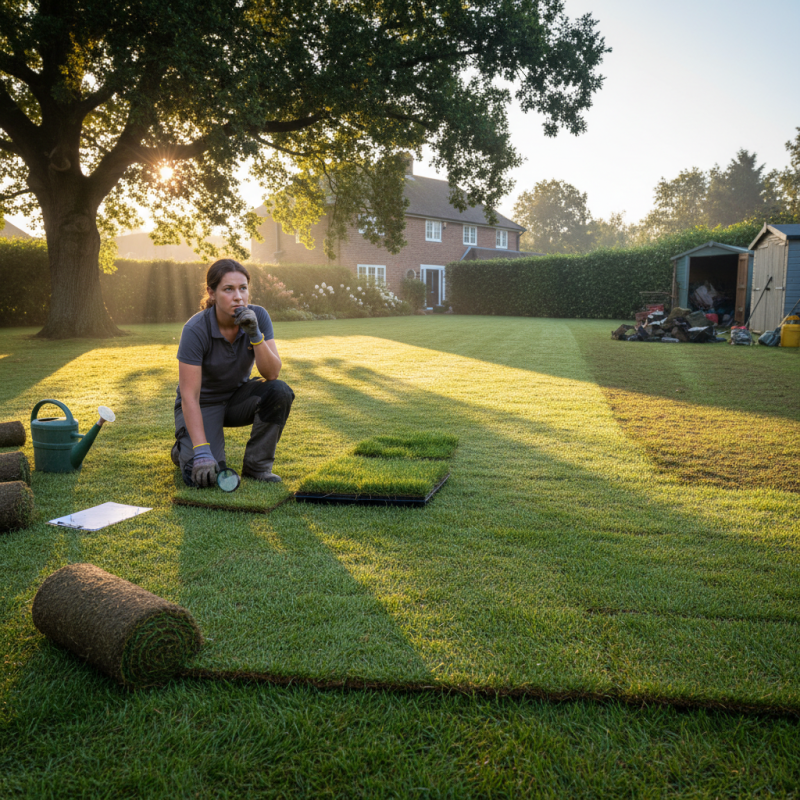
When selecting the right garden turf, it’s vital to understand the various types available. Cool-season grasses, like Kentucky bluegrass, thrive in northern climates and remain vibrant in cooler temperatures. In contrast, warm-season varieties, such as Bermuda grass, do best in southern regions, flourishing under intense sun. Reports from the Turfgrass Producers International indicate that improper turf selection can lead to poor growth and higher maintenance costs.
One tip is to analyze your lawn's specific conditions, such as sunlight exposure and soil type. For shaded areas, consider shade-tolerant grasses, which require less frequent mowing and watering. Conversely, drought-resistant turfs are becoming increasingly popular. These options need less irrigation and can reduce water usage by up to 50% under certain conditions.
Don’t overlook the maintenance requirements of each turf type. Some lawns may need regular fertilization and pest control, while others are more low-maintenance. Understanding these details will help choose a turf that aligns with your lifestyle. Consult local extensions or gardening experts for personalized advice, as they can provide insights tailored to your region’s climate.
Evaluating Climate and Soil Conditions for Optimal Turf Selection
Choosing the right turf for your lawn hinges significantly on understanding your local climate and soil conditions. Climate affects grass growth types, influencing factors like sunlight, rainfall, and temperature. For example, warm-season grasses thrive well in areas with temperatures exceeding 80°F, while cool-season varieties prefer cooler climates. In regions with a temperate zone, a mix of both types may be optimal to maintain a lush lawn throughout the seasons.
Soil quality is another critical element. Conducting a soil test can reveal pH levels and nutrient content. Research shows that nearly 40% of lawn problems arise from poor soil conditions. The ideal soil type may vary from sandy to clay, impacting drainage and grass health. Moreover, local extension services often provide detailed reports on soil amendments, helping guide turf selection. The ideal balance between climate and soil can be a trial-and-error process. Observing how different grass types respond to your specific conditions is essential. Make adjustments based on what works and what doesn’t.
Assessing Maintenance Requirements and Long-Term Sustainability
When selecting garden turf, maintenance and sustainability are crucial. Understanding the upkeep of different turf varieties can save time and effort. Some grasses require mowing every week, while others thrive with less frequent cutting. Choose turf that matches your lifestyle. If you're busy, look for low-maintenance options.
Consider how sustainable your turf choice is. Native grasses often use less water and fertilizer. This can lead to lower utility bills and a reduced environmental impact. Implementing a rainwater collection system can also support your lawn's health while conserving resources.
It's essential to assess your soil type before laying turf. Some grasses flourish in sandy soils, while others prefer clay. Testing your soil can inform your choice, ensuring long-term success. Keep in mind that every lawn is unique. Reflecting on your specific conditions will lead to better results.
Considering Usage: Recreational vs. Aesthetic Lawn Needs
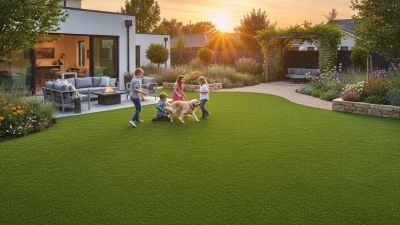
When choosing garden turf, consider your lawn's purpose. Recreational spaces require durability and resilience. Families with children or pets need grass that can withstand heavy use. Look for options that recover quickly from wear and tear. A blend of grasses can provide the toughness necessary for active play areas.
On the other hand, aesthetic lawns focus on appearance. This type of turf is often lush and finely textured. Choose varieties that are visually appealing and can thrive in your local climate. These lawns might not handle foot traffic well. It is essential to think about maintenance, like mowing and watering, to keep them looking pristine.
Ultimately, finding the right balance between recreational and aesthetic needs is crucial. Sometimes, what looks good may not last. In contrast, hardy turf might not be as attractive. Reflect on your priorities. This decision can impact not just your lawn's look, but also its longevity and usability.
Comparison of Turf Types for Recreational vs. Aesthetic Use
This chart compares two main types of turf for lawn usage: Recreational and Aesthetic. For recreational purposes, durability is prioritized, while aesthetic uses focus more on maintenance levels. The ratings are based on a 1-10 scale, with higher numbers indicating better performance in that category.
Budgeting for Initial Installation and Ongoing Care of Turf
When selecting garden turf, budgeting is crucial. Consider the initial installation costs. Quality turf can vary significantly in price. Measure your lawn accurately to avoid overspending. You might need to level the ground or add soil amendments, which can add to costs. This preparation is essential for the turf's long-term health.
Ongoing care also requires financial planning. Regular maintenance is vital for a lush lawn. Think about the cost of water, fertilizers, and pest control. Hiring lawn care services can increase expenses, so consider handling some tasks yourself. Be realistic about your capabilities. Lawn care can take time and effort, and not everyone can commit.
Reflect on your lifestyle when budgeting. Are your weekends free for maintenance? If not, plan for professional help. Turf care isn’t just a one-time job; it’s an ongoing process. Allow room in your budget for unexpected issues, like disease or drought. Finding a balance between your budget and needs is key to achieving a vibrant lawn.
10 Essential Tips for Choosing the Best Garden Turf for Your Lawn
| Tip Number |
Tip |
Initial Installation Cost ($ per sq. ft.) |
Ongoing Care Cost (Annual) |
| 1 |
Choose the Right Type of Turf |
1.50 |
200 |
| 2 |
Consider Climate Conditions |
1.20 |
180 |
| 3 |
Research Local Soil Types |
0.90 |
150 |
| 4 |
Evaluate Foot Traffic |
1.75 |
220 |
| 5 |
Check for Pests and Diseases |
1.10 |
160 |
| 6 |
Look for Good Drainage |
1.30 |
195 |
| 7 |
Consider Shade vs. Sun |
0.95 |
175 |
| 8 |
Understand Maintenance Requirements |
1.40 |
210 |
| 9 |
Think About Watering Needs |
1.60 |
200 |
| 10 |
Consult with Local Experts |
N/A |
N/A |

 +86 19005411400+86 15006803065
 Contact Phone
 Contact Email