Top Quality Pet Artificial Grass for Global Buyers?
The demand for high-quality Pet Artificial Grass is on the rise among global buyers. This synthetic alternative to natural grass offers numerous benefits, including durability and low maintenance. According to Dr. Emily Carter, a leading expert in pet care products, "Pet Artificial Grass is revolutionizing how we think about outdoor spaces for our pets."
As more families welcome furry friends into their homes, finding the right surface for them becomes essential. Pet Artificial Grass is designed to withstand heavy usage while providing a comfortable and safe environment. It mimics the texture of real grass, allowing pets to play and relax without worry. However, not all products are created equal, and buyers must be discerning.
There are still challenges in choosing the best option. Some artificial grasses can retain heat or fade under sunlight. Buyers must research factors that ensure quality and reliability. As the market grows, it becomes important to share insights and experiences for better decision-making. Quality should always take precedence over price in this industry.
Benefits of Using Artificial Grass for Pets
Artificial grass offers numerous benefits for pet owners. It is a highly durable, low-maintenance alternative to real grass. Its resilient surface can withstand heavy foot traffic from excited pets. This durability means fewer repairs and replacements, saving time and money.
One of the most attractive features of artificial grass is its drainage system. Unlike natural grass, which can become muddy and messy, synthetic turf dries quickly. This feature helps keep your pets clean and your home tidy. Pet waste can be easily cleaned up without damaging the grass.
Safety is another significant consideration. Many artificial grass products are made without harmful chemicals. They provide a safe play area for pets. However, pet owners should research different options. Not all artificial grass is created equal, and some may not have the safest materials. Choosing the right type is crucial for long-term satisfaction.
Key Features to Look for in Quality Pet Artificial Grass
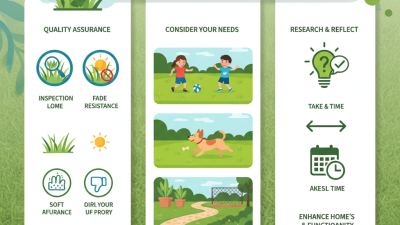
When choosing pet artificial grass, several key features are essential for ensuring a high-quality product. Look for materials that are durable and safe for your pets. Infill types can vary, so select one that provides good drainage and helps maintain a natural feel under your pet's paws. A reliable grass will also resist fading from sunlight and handling, offering a lush appearance throughout various weather conditions.
Another important aspect is the grass's ability to mimic real grass. Consider the blade height and texture. Often, variations in blade colors can create a more realistic look. Additionally, pay attention to the backing of the grass. A robust backing prevents wear and tear, which is vital when pets run and play on it.
Keep in mind that not all artificial grass is created equal. Some may appear beautiful but falter in performance. Research and review product standards. This diligence can save you from frequent replacements and allow you to create a safe environment for your pets. Ultimately, investing time in finding the right grass will lead to a satisfying outdoor experience for you and your furry friends.
Top Quality Pet Artificial Grass Features
This chart displays the key features of top quality pet artificial grass rated on a scale of 1 to 10. The ratings reflect the importance of attributes such as durability, UV resistance, softness, drainage capabilities, and eco-friendliness, assisting global buyers in making informed decisions.
Top Manufacturers of Pet Artificial Grass Worldwide
When it comes to pet artificial grass, several manufacturers stand out in the global market. These manufacturers focus on quality and durability. They offer various products that cater to pets' needs while ensuring safety and comfort. Rugged materials that withstand wear and tear are prioritized. Many use non-toxic chemicals, which is crucial for pet health.
Some manufacturers excel in creating realistic, lush-looking grass. Their products mimic natural grass closely, making pets feel at home. However, achieving the right balance between aesthetics and functionality can be challenging. Some artificial grasses may not drain well, leading to hygiene issues. This aspect requires careful consideration for pet owners.
[Image]
Innovation is key for successful manufacturers. They continuously improve their offerings based on user feedback and industry trends. Investing in advanced technologies and eco-friendly materials is becoming common. Yet, challenges remain. Maintaining competitive pricing without sacrificing quality is a constant struggle. The market demands high-quality products that are also affordable.
Environmental Impact of Pet Artificial Grass Products
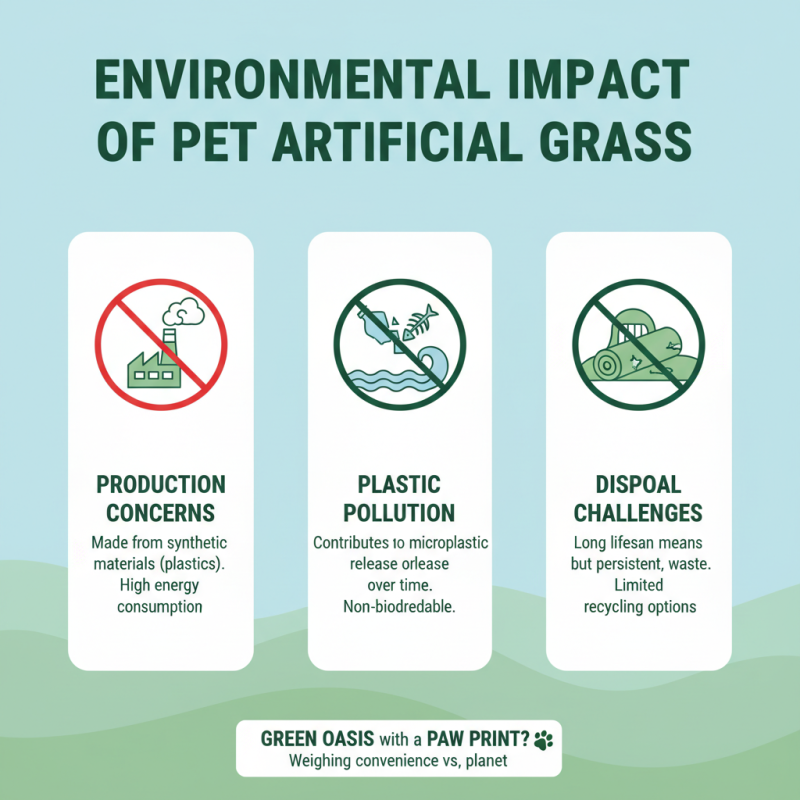
When considering pet artificial grass, it’s crucial to assess its environmental impact. While these products provide a green oasis for pets, their production and disposal raise significant concerns. Often made from synthetic materials, artificial grass can contribute to plastic pollution. The durability of these products is an advantage, but they aren't biodegradable.
Tips: Choosing a product from recycled materials can mitigate some environmental harm. Look for certification labels indicating eco-friendliness.
Another aspect to ponder is water usage. Traditional lawns require extensive watering. Artificial grass needs less, which is beneficial in drought-prone areas. However, the production process can be water-intensive. It's necessary to weigh the trade-offs and consider local water conservation needs.
Tips: Research local regulations on water usage. Prioritize sustainable options that align with your region's environmental goals.
Explore alternatives to minimize your footprint. Natural grass, combined with eco-friendly solutions, may offer a balance. Reflect on your choices and their broader implications on the environment. Making informed decisions can help promote a healthier planet for future generations.
Cost Comparison: Artificial Grass vs. Natural Grass for Pet Owners
When it comes to choosing grass for our furry friends, pet owners often weigh the benefits of
artificial grass against natural grass.
Artificial grass offers many advantages. It requires little to no maintenance, saving time and effort.
There are no mowing or fertilizing tasks to worry about. This can be a huge relief for busy pet owners.
Additionally, it stays green year-round, providing a pleasant aesthetic for pet areas.
However, the initial cost of artificial grass can be a stumbling block. It typically costs more upfront
than natural grass. While natural grass needs watering, weeding, and occasional reseeding, its installation
costs are significantly lower. For some, this makes natural grass seem more appealing, especially if
budget constraints are a concern. Yet, over time, the durability of
artificial grass can offset these initial expenses.
Furthermore, some pet owners have noted issues with heat retention
in artificial grass. In hot climates, the surface can become uncomfortably warm. This could pose a risk
for pets with sensitive paws. It's essential to consider your environment when making your choice.
Both options have pros and cons, and pet owners must reflect on their specific needs and circumstances.

 +86 19005411400+86 15006803065
 Contact Phone
 Contact Email