10 Tips for Choosing the Best Artificial Grass for Your Home?
Artificial grass has become a popular choice for homeowners seeking a lush, green landscape without the maintenance demands of natural grass. Selecting the right artificial grass involves more than just aesthetics. Quality varies greatly, and making an informed decision can ensure long-term satisfaction.
When choosing artificial grass, consider your local climate, usage needs, and safety features. Different types cater to different preferences and lifestyles. Will kids or pets play on it? Look for durability and softness. Check the infill and drainage options to prevent issues. It's crucial to assess the product's eco-friendliness and warranty options.
Not all synthetic grass is created equal. Some products may fade or damage easily over time. Research thoroughly to find reliable brands. Investing the time to understand your choices will pay off. With the right information, you can enjoy the beauty of artificial grass in your home for years to come.
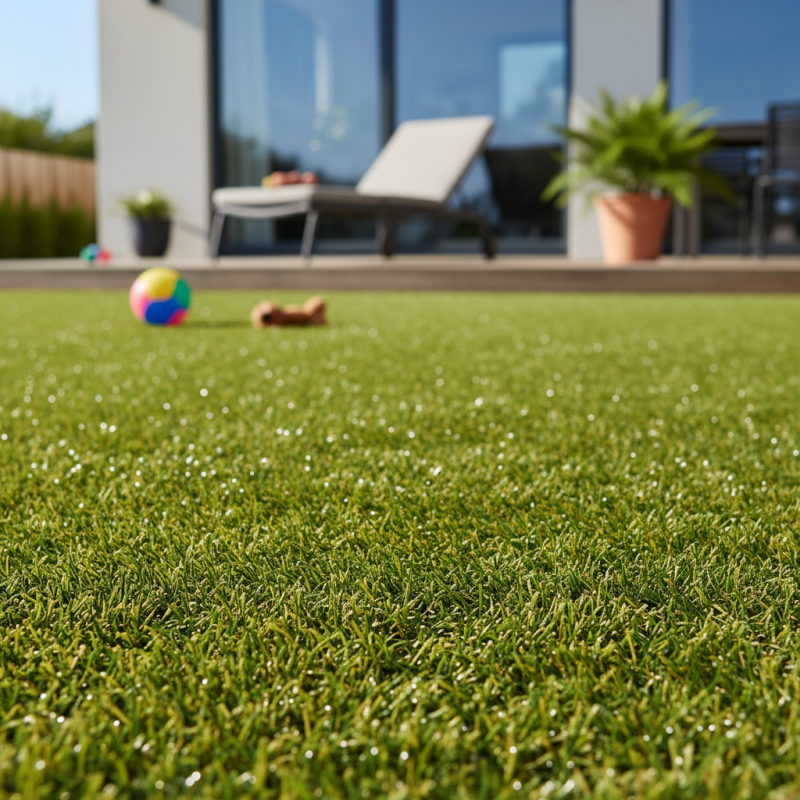
Understanding Your Space: Assessing Area and Usage Needs
When assessing area and usage needs for artificial grass, start with your space's physical characteristics. Measure the dimensions to understand the total area available. According to industry reports, nearly 60% of homeowners prioritize size when selecting artificial grass. A clear measurement will help determine the right type and amount needed.
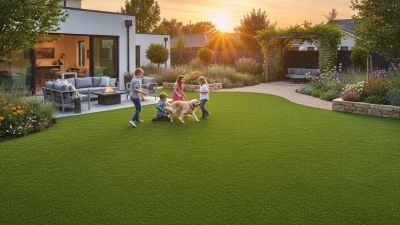
Consider how you plan to use the area. Will it be a play space for children, a pet-friendly zone, or a decorative landscape? Each use has different requirements. For example, an area for pets may need a more durable product that can withstand wear and tear. Yet, only 30% of grass options are designed specifically for pets, highlighting the need for careful selection.
Also, think about maintenance needs. Top-level artificial grass can significantly reduce upkeep but may have higher initial costs. Balancing up-front investment with long-term savings can be tricky. Understanding your usage can inform this decision. Do you want a lush look or something more functional? These factors can guide you in making a thoughtful choice.
Evaluating Material Quality: Different Types of Artificial Grass
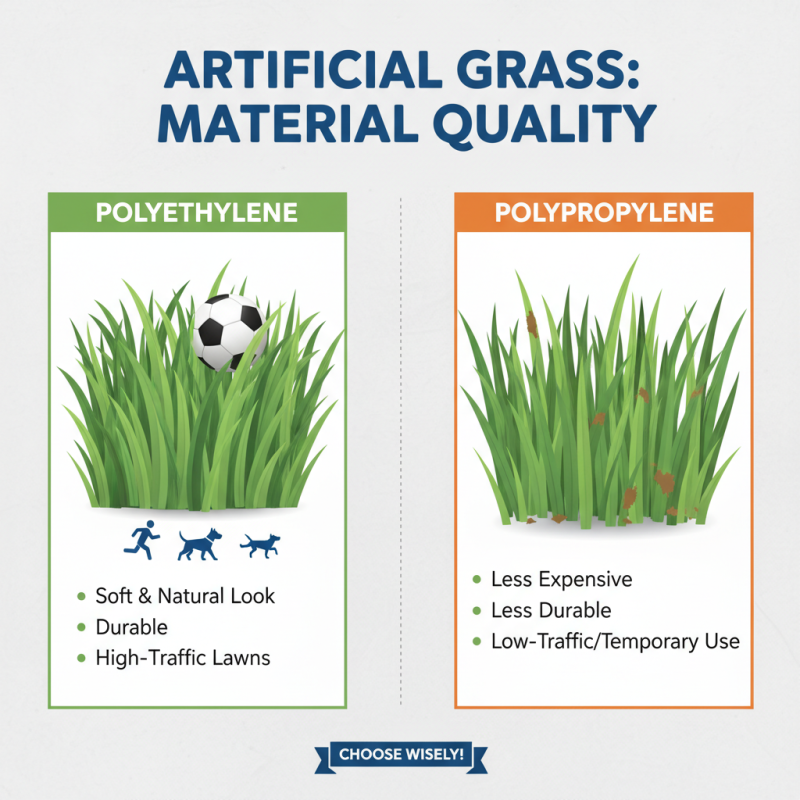
When evaluating the quality of artificial grass, the material plays a crucial role. Different types of artificial grass vary in durability and appearance. Polyethylene is popular for its softness and natural look. It’s great for lawns that are used frequently. On the other hand, polypropylene is less expensive but tends to wear out faster. It might not be the best choice if you're looking for longevity.
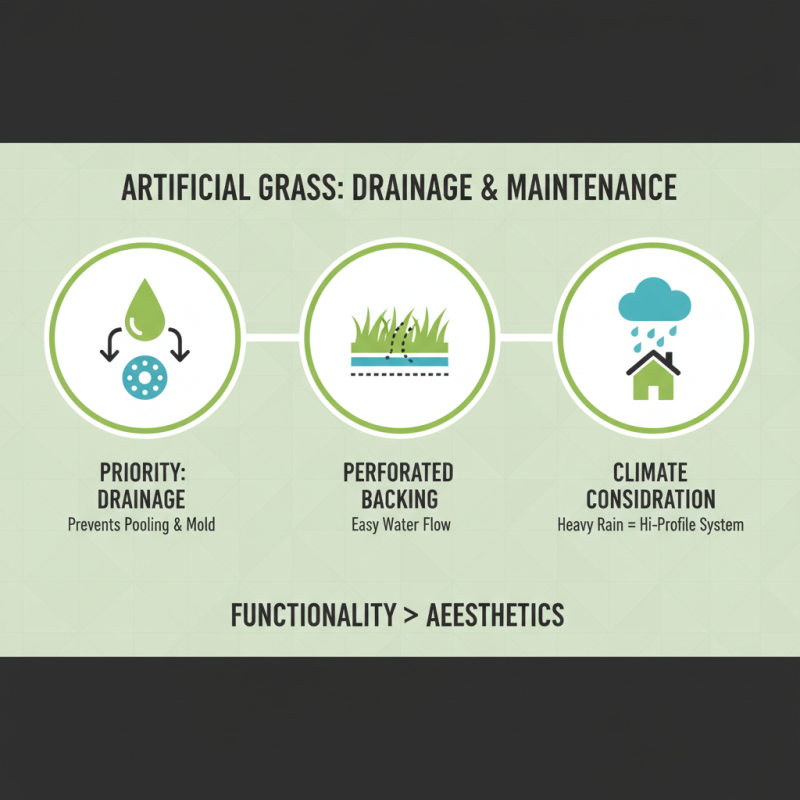
Nylon is the most durable option available. It can withstand heavy foot traffic and extreme weather conditions. However, it also comes with a higher price tag. Consider your local climate and how much wear the grass will encounter. Evaluating infill materials is equally important. The right infill can enhance drainage and improve stability. Rubber infill is durable but can retain heat. This might lead to an uncomfortable surface in sunny conditions.
Think about your specific needs when choosing. Factors like color, pile height, and drainage system will affect your experience. It’s essential to balance aesthetics and practicality. Reflect on what will work best for your home. Additionally, remember that even high-quality artificial grass requires maintenance to look its best. It's a decision that shouldn't be taken lightly.
Color and Texture Selection: Achieving Natural Appearance
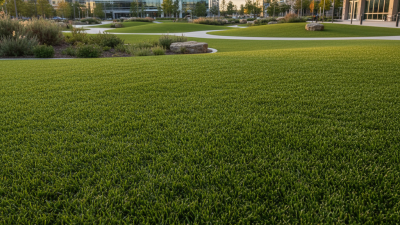
When selecting artificial grass, color and texture are crucial for creating a natural appearance. The right hue can enhance your outdoor space. Many experts recommend various shades of green. Reports show that softer, muted colors often blend better with natural surroundings. An overly bright or uniform color can appear unnatural and remind homeowners of plastic.
Texture also plays a vital role. Research indicates that the ideal grass mimics real blades in softness and variation. Options with different pile heights give depth and authenticity. Some products combine multiple fibers to capture the complexity of natural grass. However, choosing just one texture can lead to a flat look.
It's essential to think about wear and tear. High traffic areas might require more resilient textures. Yet, many consumers overlook this aspect during selection. Regular maintenance can be affected by texture choice. Too synthetic a feel can detract from the space's overall appeal. Balancing aesthetics and durability requires careful thought and reflection.
Color and Texture Selection for Artificial Grass
Budgeting for Installation: Cost Considerations and Options
When budgeting for artificial grass installation, it’s crucial to consider various cost factors. The average cost for high-quality artificial grass can range from $5 to $20 per square foot, depending on quality and type. Labor costs may add another $2 to $8 per square foot, making the total investment significant. Reports indicate that homeowners typically spend between $2,000 to $8,000 for the whole project.
Economical choices often come at a price. While budget-friendly options may seem appealing, they may not provide the longevity or aesthetic appeal desired. Additionally, low-quality materials could result in fading or wear. A report from the Synthetic Turf Council suggests investing in better quality may save on long-term maintenance costs.
Tip: Consider the warranty. A robust warranty can indicate longer-lasting quality. Check for options that offer at least 8 to 15 years of coverage.
Making a choice can be overwhelming. Some struggle with the extra costs of proper base preparation. If the ground isn't leveled correctly, it can lead to uneven surfaces. This could compromise drainage, leading to potential water pooling. Ultimately, understanding these cost aspects allows for more informed choices.
Tip: Always compare multiple quotes and get detailed breakdowns. Transparency in pricing aids in making better financial decisions.

 +86 19005411400+86 15006803065
 Contact Phone
 Contact Email