China Top Plastic Grass Products for Your Landscaping Needs?
In recent years, the demand for Plastic Grass has surged, transforming landscaping options for homeowners and businesses alike. Experts like David Lee, a leading figure in the artificial grass industry, state, “Plastic Grass not only enhances aesthetics but also requires less maintenance.” This has significant implications for modern landscaping practices.
Plastic Grass comes in various textures and colors, making it suitable for diverse environments. From residential lawns to commercial spaces, its versatility is unmatched. However, while the benefits are clear, not all products meet the same standards of quality. Choosing the right type of Plastic Grass can be overwhelming.
Consumers should consider factors such as durability, UV resistance, and environmental impact. Some products may look appealing but lose their charm over time. It’s essential to conduct thorough research and consult experts before making decisions. This landscape solution is convenient, yet caution is needed to avoid common pitfalls.
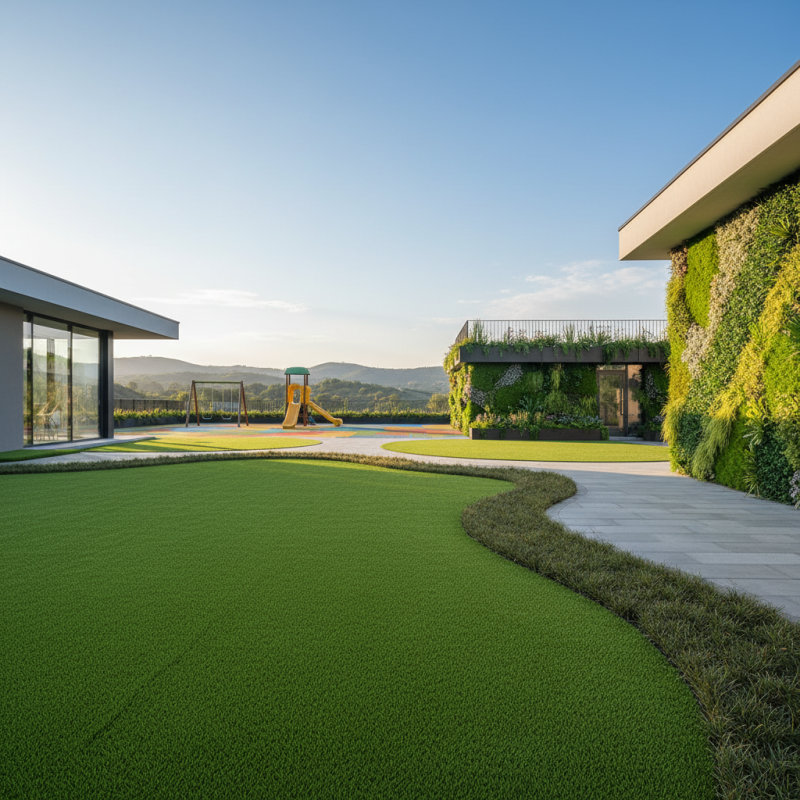
Overview of Plastic Grass Products in China for Landscaping
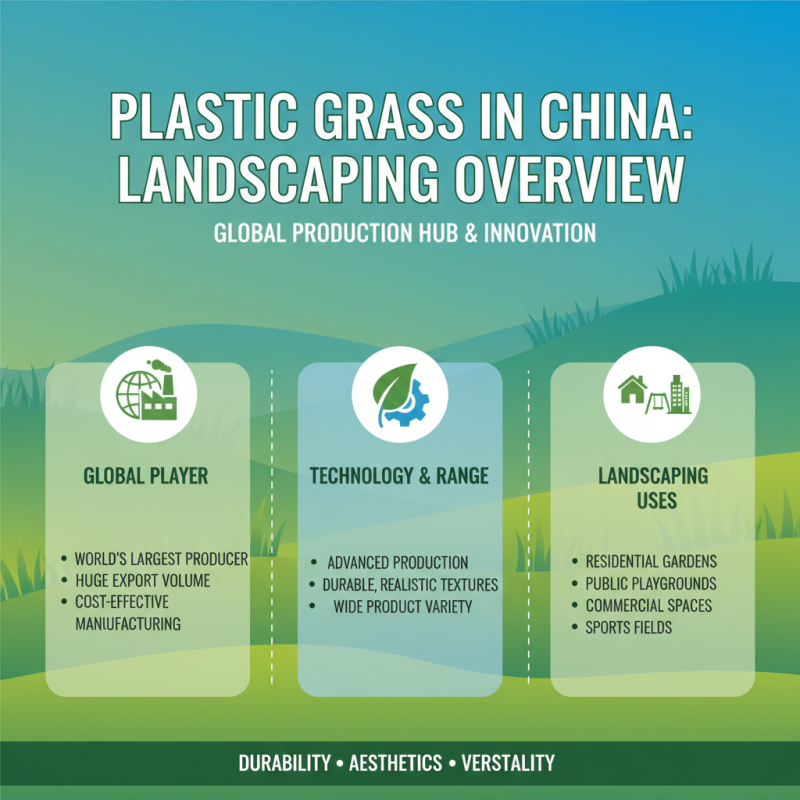
China has become a significant player in the production of plastic grass products. These materials cater to various landscaping needs, offering durability and aesthetics. With advancements in technology, Chinese manufacturers now provide a wide range of options to suit different environments. This includes residential gardens, playgrounds, and commercial spaces.
Plastic grass products require minimal maintenance, making them appealing. They retain their vibrant colors and texture even under heavy foot traffic. The materials used are often UV-resistant, helping them withstand changing weather. However, not all products are created equal. Some may fade or become brittle over time, prompting consumers to choose wisely.
Sustainability is becoming a crucial factor. Many manufacturers are working on eco-friendly alternatives. Yet, challenges remain in ensuring all products meet environmental standards. This ongoing journey signifies a shift towards responsible production while meeting landscaping needs. Buyers should stay informed and ask questions about the sourcing and longevity of the materials they intend to use.
Types of Plastic Grass Materials and Their Benefits
When choosing plastic grass for landscaping, various materials come into play. Each type offers unique benefits. For instance, polyethylene (PE) grass is popular due to its natural appearance and softness. It mimics real grass well, making it appealing to homeowners who desire a lush look without maintenance. A report from the Synthetic Turf Council indicates that PE grass accounts for 72% of the synthetic grass market, highlighting its dominant presence.
On the other hand, polypropylene (PP) is another option, offering increased durability and affordability. While it may not look as realistic as PE, its lower cost can be attractive for larger projects. Some experts suggest that PP turf may last less long under heavy wear. The longevity of synthetic grass often depends on the foot traffic it experiences. Proper installation and maintenance can significantly impact its lifespan and performance.
As landscaping trends evolve, understanding the materials thoroughly is vital. Each type of plastic grass brings specific characteristics that cater to different needs. However, choices must also consider environmental factors and sustainability. It's important to weigh aesthetic preferences against potential longevity and environmental impact. While these materials offer convenience, ongoing advancements may prompt reevaluation of their environmental implications.
China Top Plastic Grass Products for Your Landscaping Needs
| Type of Plastic Grass |
Material Composition |
Pile Height (mm) |
UV Resistance |
Benefits |
| PE (Polyethylene) |
100% Virgin Polyethylene |
30-40 |
High |
Soft feel, good durability |
| PP (Polypropylene) |
100% Polypropylene |
20-30 |
Moderate |
Cost-effective, lightweight |
| Nylon |
100% Nylon |
40-50 |
Very High |
Extremely durable, high thermal resistance |
| Turf with Backing |
Composite Blends |
25-35 |
High |
Additional stability, ease of installation |
Key Manufacturers of Plastic Grass in China
The demand for plastic grass products in China has seen significant growth. As landscaping becomes more vital in urban areas, manufacturers are stepping up. Reports indicate that the Chinese artificial grass market is expected to reach USD 3.7 billion by 2025, with growth rates around 10% annually. This is driven by a stronger focus on sustainability and low maintenance landscaping options.
Several key manufacturers dominate this market. They possess advanced technologies for creating realistic and durable products. Many of these producers have invested heavily in R&D, resulting in enhancements in material quality and longevity. Yet, some challenges remain. Issues such as environmental impact and product disposal linger. Standards for recyclability are also under scrutiny, as consumers become more eco-conscious.
Quality control is crucial but can be inconsistent across various suppliers. Some manufacturers struggle to meet international standards, creating a reliability gap. The industry needs to address these concerns to ensure trust and acceptance in the market. Understanding these dynamics is vital for professionals considering plastic grass for their landscaping projects.
Top Plastic Grass Products in China
Applications of Plastic Grass in Landscaping Projects
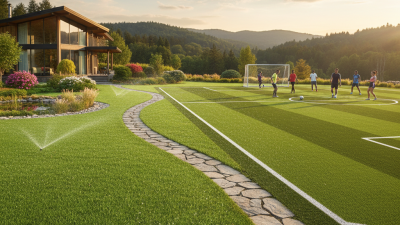
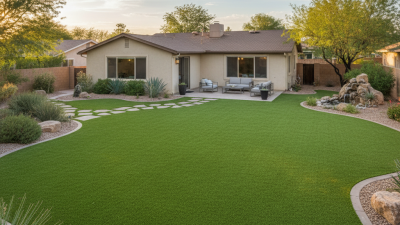
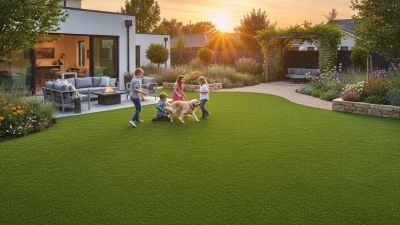
Plastic grass has gained popularity in landscaping due to its versatility and low maintenance. It's suitable for various applications, from residential gardens to commercial spaces. Homeowners appreciate its ability to provide a lush, green look year-round without the hassle of watering or mowing. Public parks and playgrounds often use plastic grass to create safe, durable surfaces for recreational activities.
Choosing the right plastic grass involves considering factors like texture and color. A realistic appearance enhances the overall aesthetic, making your project more visually appealing. Additionally, lightweight options make installation easier.
Tip: Always check local regulations regarding landscaping materials. Some regions have specific guidelines on synthetic grass installation. This ensures compliance and helps avoid potential issues later on.
While plastic grass offers several benefits, it also poses challenges. Heat retention can be an issue. On hot days, the surface may become uncomfortably warm. Regular maintenance, like cleaning debris, is crucial to keep it looking fresh.
Tip: Consider using infill materials to mitigate heat absorption. These solutions can enhance the performance of your plastic grass and make it more comfortable underfoot.
Maintenance Tips for Long-lasting Plastic Grass Installations
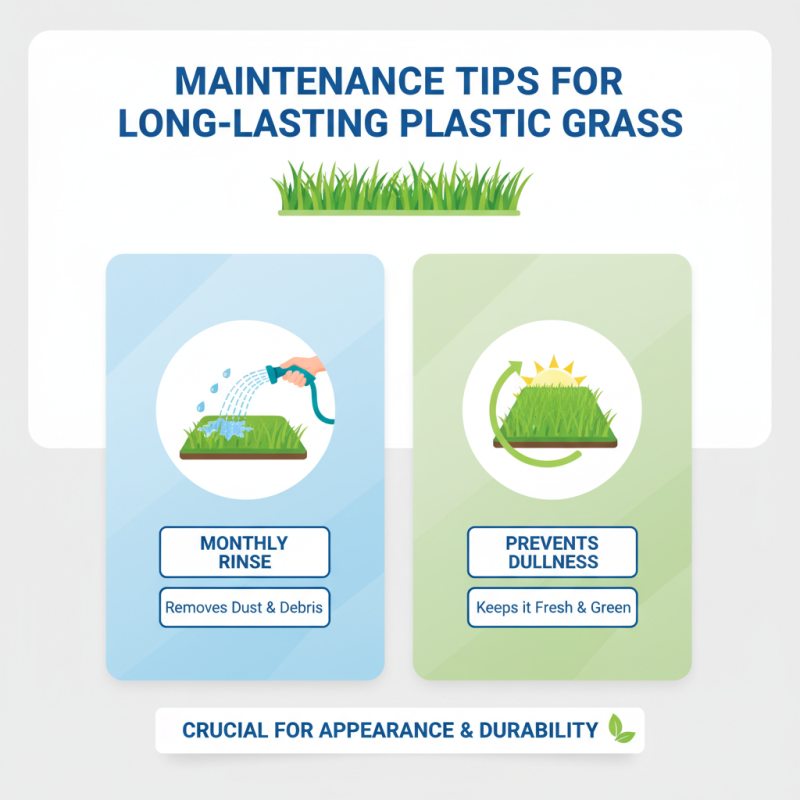
When it comes to maintaining plastic grass installations, regular care is crucial. Unlike natural grass, plastic grass requires specific attention to keep it looking fresh and vibrant. Rinsing the surface with a hose on a monthly basis can effectively remove dust and debris. This simple step prevents the accumulation of dirt, which can dull its appearance.
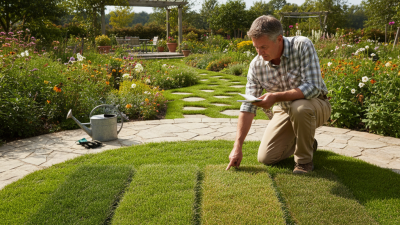
In addition to rinsing, it's important to brush the blades regularly. This helps maintain their upright position and enhances the natural look of your landscaping. Pay attention to areas with heavy foot traffic. You may need to brush these spots more often to avoid matting. Use a stiff-bristled broom for best results. Over time, you might notice some fading due to UV exposure. Choosing a good quality product can mitigate this, but it's still wise to accept that some wear and tear is inevitable.
Consider the impact of nearby trees or plants. Falling leaves or pollen can cling to the plastic grass, requiring extra cleaning efforts. If neglected, these can lead to odors or pest issues. Occasionally, a mild detergent can be used to tackle stubborn stains. Be cautious, though; using harsh chemicals may damage the grass fibers. Staying attentive to these details will ensure your plastic grass remains attractive and functional for years to come.

 +86 19005411400+86 15006803065
 Contact Phone
 Contact Email