
 +86 19005411400+86 15006803065


0102030405
News
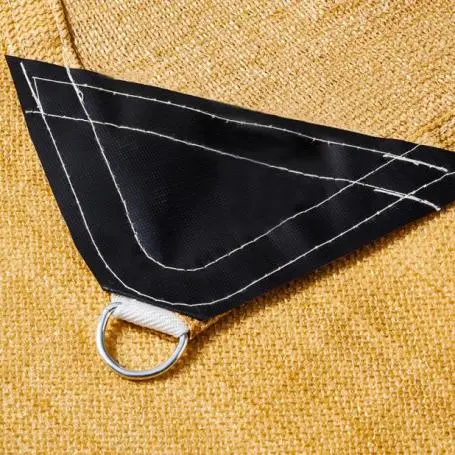
Sunshade Net Material and Structure: The Foundation of Performance and Durability
2026-01-22
The performance, durability, and functionality of a sunshade net are ultimately determined by its material and structure. From the type of plastic used to the weaving pattern and edge reinforcement, every aspect of the material and structure contributes to the net’s ability to withstand environmental stressors, provide effective shading, and serve its intended purpose. In this article, we take an in-depth look at sunshade net materials, structural designs, and the benefits they offer for various applications.
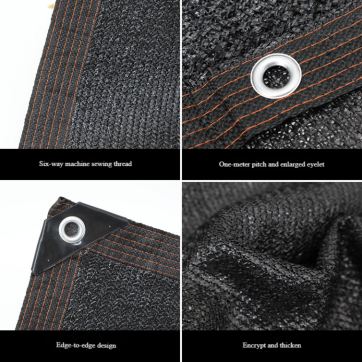
The Role of Color in Sunshade Nets: Aesthetic, Functional, and Practical Considerations
2026-01-22
When selecting a sunshade net, color is often overlooked in favor of more technical specifications such as shade rate and material. However, the color of a sunshade net plays a crucial role in both its functionality and aesthetics, influencing factors such as heat absorption, light diffusion, durability, and visual appeal.
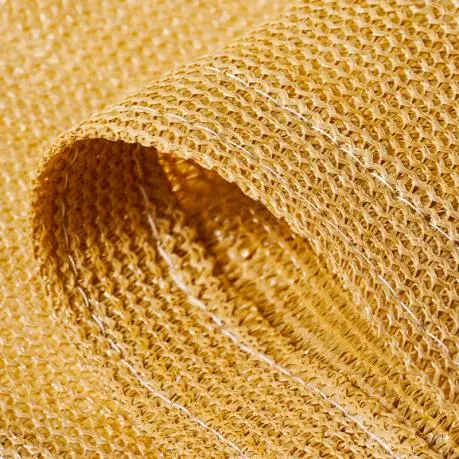
Understanding Sunshade Net Shade Rate: How to Choose the Perfect Level for Your Needs
2026-01-21
When it comes to selecting a sunshade net, one of the most important specifications to consider is the shade rate—also known as the shading percentage. The shade rate refers to the percentage of sunlight that is blocked by the net, ranging from 30% to 95% for most commercial sunshade nets. This seemingly simple number has a profound impact on the performance of the sunshade net, influencing everything from crop growth and livestock comfort to outdoor temperature regulation and energy efficiency. Choosing the right shade rate is not a one-size-fits-all decision; it requires careful consideration of the intended use, the type of plants or activities being protected, and the local climate. In this comprehensive guide, we break down everything you need to know about sunshade net shade rates, including how they are measured, the effects of different rates, and how to select the ideal shade rate for your specific application.
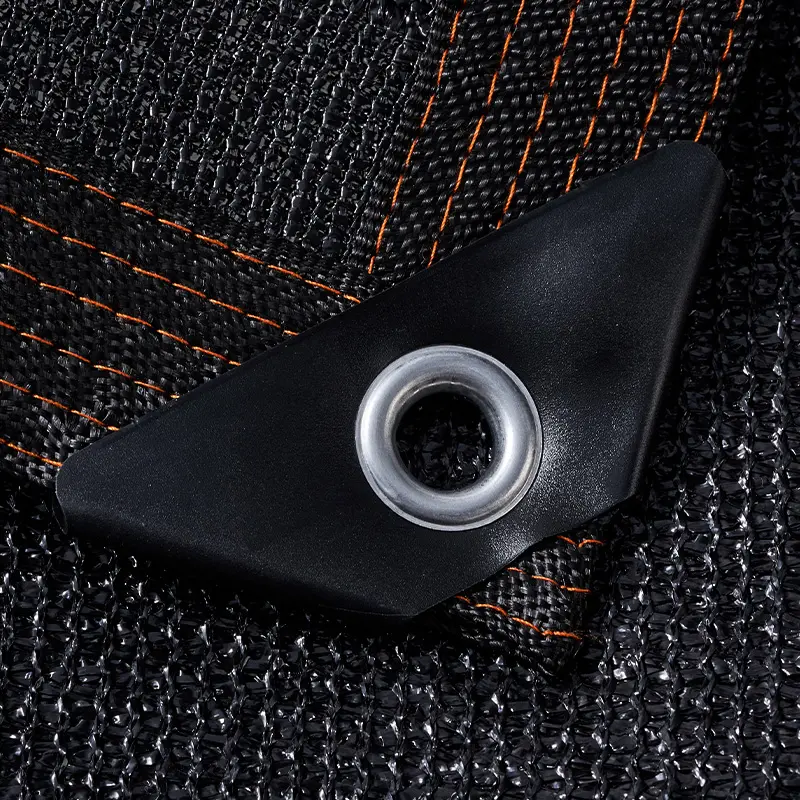
Maximizing Durability: A Comprehensive Guide to Sunshade Net Lifespan
2026-01-21
In the realm of agricultural, horticultural, and outdoor shading solutions, sunshade nets have emerged as indispensable tools for protecting crops, livestock, and outdoor spaces from the harsh effects of sunlight. For businesses and individuals investing in sunshade nets, one of the most critical considerations is lifespan—how long can a high-quality sunshade net maintain its performance, structural integrity, and functionality before needing replacement? This question is not only about cost-effectiveness but also about ensuring consistent protection, reducing maintenance hassle, and minimizing environmental impact through prolonged product use. In this article, we delve deep into the factors that influence sunshade net lifespan, share expert tips to extend durability, and explain why our premium sunshade nets stand out in terms of long-term reliability.
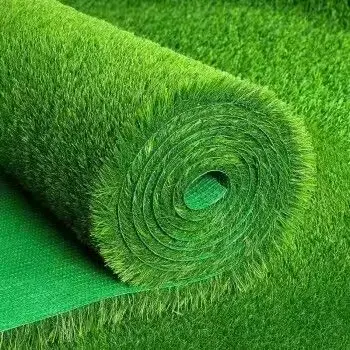
Artificial Grass Delivers Stable Outdoor Performance with Lower Lifetime Costs
2026-01-13
Artificial grass has moved far beyond decorative use. For commercial developments, public facilities, and high-traffic outdoor projects, it has become a practical surface solution that balances durability, appearance, and operational efficiency. As water management, maintenance cost, and year-round usability become key concerns, artificial grass is increasingly specified as a long-term infrastructure material rather than a landscaping add-on
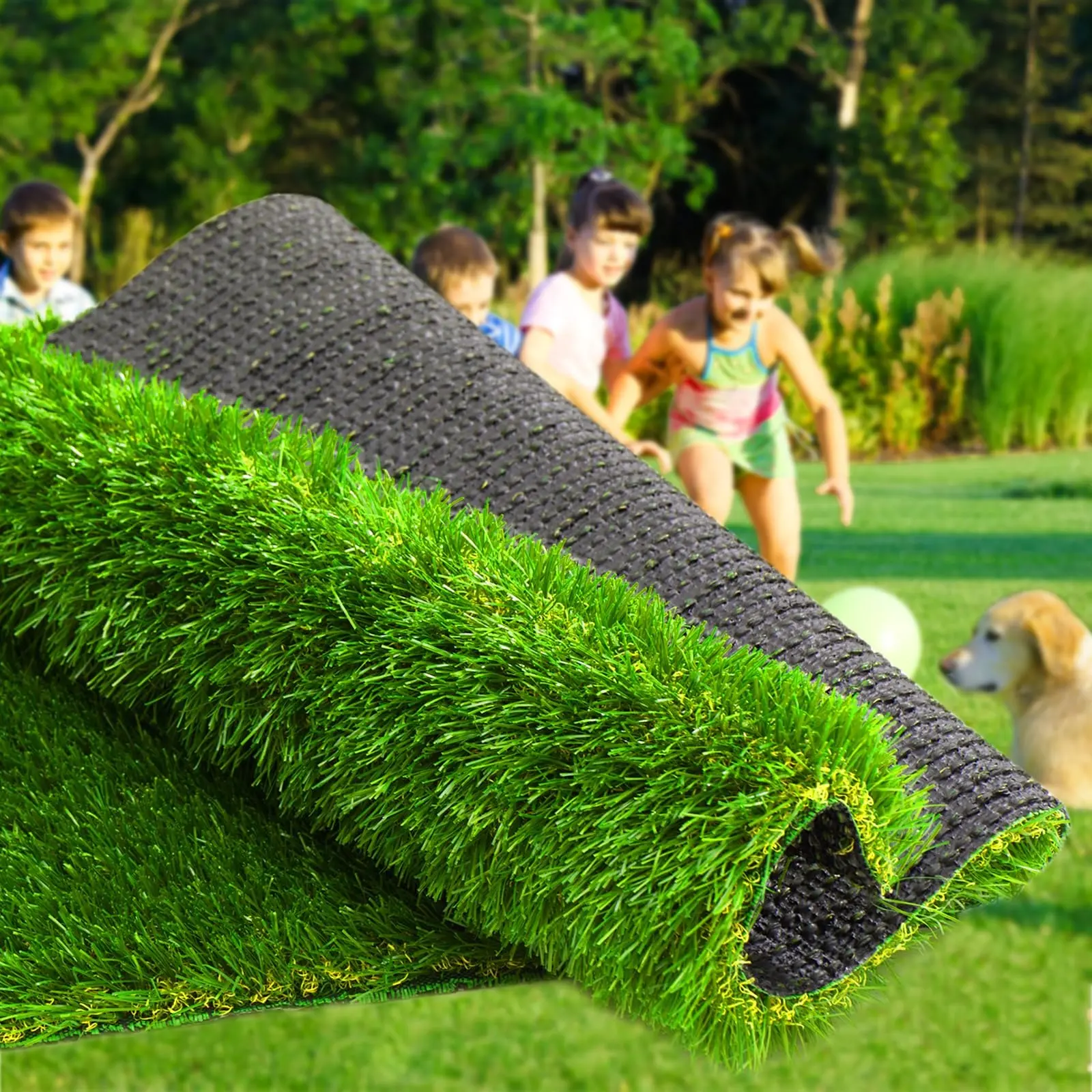
Artificial Grass Delivers Stable Outdoor Performance with Lower Lifetime Costs
2026-01-06
Artificial grass has moved far beyond decorative use. For commercial developments, public facilities, and high-traffic outdoor projects, it has become a practical surface solution that balances durability, appearance, and operational efficiency. As water management, maintenance cost, and year-round usability become key concerns, artificial grass is increasingly specified as a long-term infrastructure material rather than a landscaping add-on
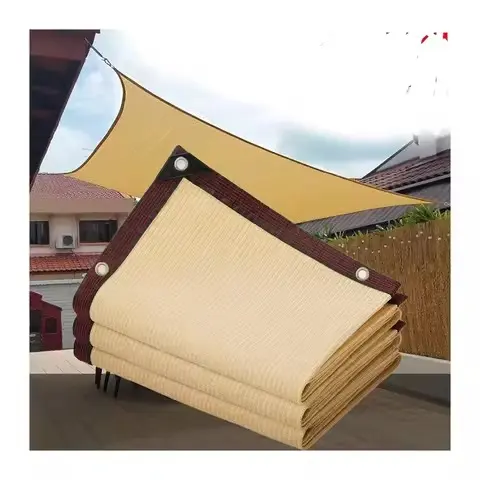
Choosing the Right Shade Net Percentage Improves Outdoor Comfort and Plant Performance
2025-12-30
Shade nets are no longer limited to agricultural use. Across landscaping projects, public spaces, sports facilities, and commercial developments, shade percentage plays a direct role in temperature control, plant performance, and overall user comfort. In many projects, performance issues come not from material quality, but from choosing the wrong shade level.
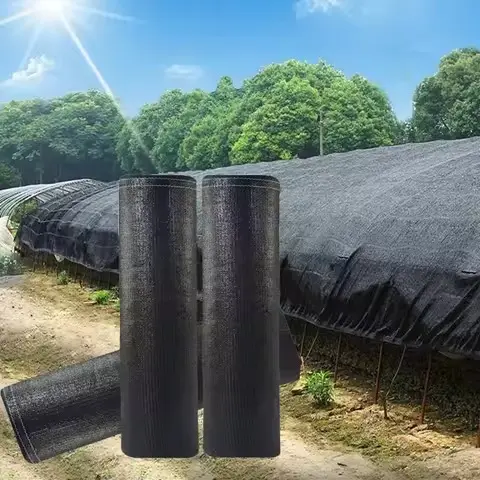
Choosing the Right Shade Net Percentage Makes Outdoor Spaces Cooler, Safer, and More Efficient
2025-12-23
In outdoor projects, shade netting is often treated as a simple accessory. In reality, the shade percentage you choose directly affects temperature control, user comfort, plant performance, and long-term maintenance costs. For professional buyers—designers, contractors, developers, and facility managers—getting this choice right from the start avoids costly adjustments later.
This article explains how different shade net percentages perform in real applications, using practical experience and measurable results rather than sales language.
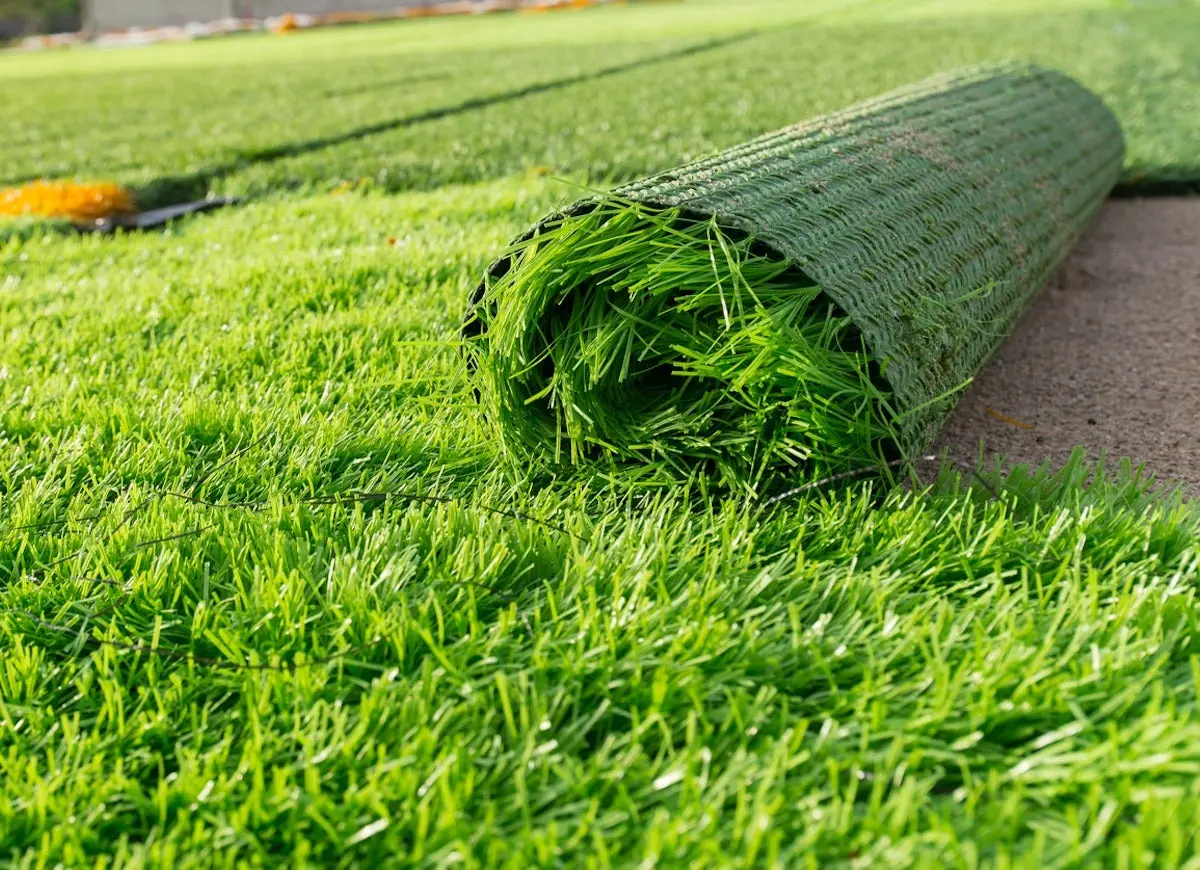
How Does Artificial Grass Perform in Different Climates? Insights for Commercial Use
2025-12-15
Artificial grass has become a reliable choice for commercial projects, from landscaping firms to public spaces and sports facilities. Understanding how artificial grass behaves in different climates helps buyers plan long-term investments, reduce maintenance costs, and ensure consistent appearance over time.
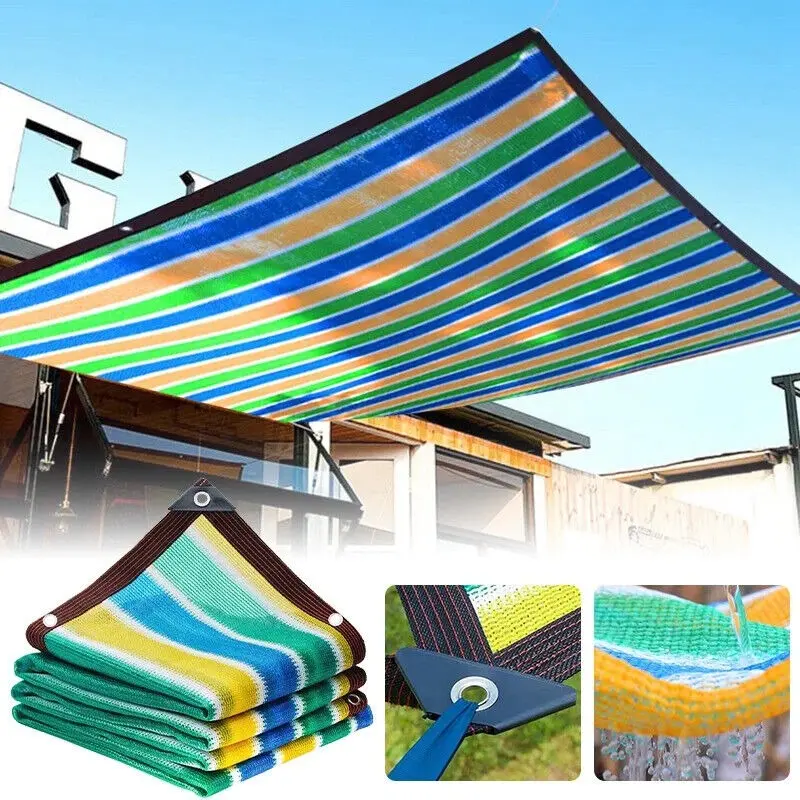
How Long Does Shade Netting Last? Insights for Commercial Landscaping and Industrial Use
2025-12-08
Shade netting is an essential solution for controlling sunlight, temperature, and UV exposure in various outdoor applications. For commercial buyers—from landscape design firms to construction and event organizers—understanding the durability of shade nets is crucial for long-term planning, budgeting, and installation efficiency. Knowing how long a shade net lasts helps you maximize ROI and maintain effective protection over time.