
 +86 19005411400+86 15006803065


0102030405
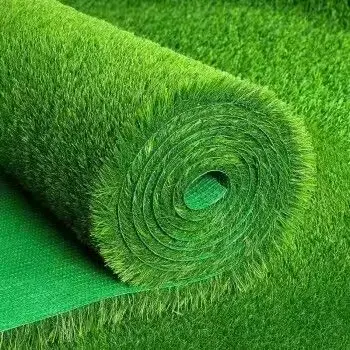
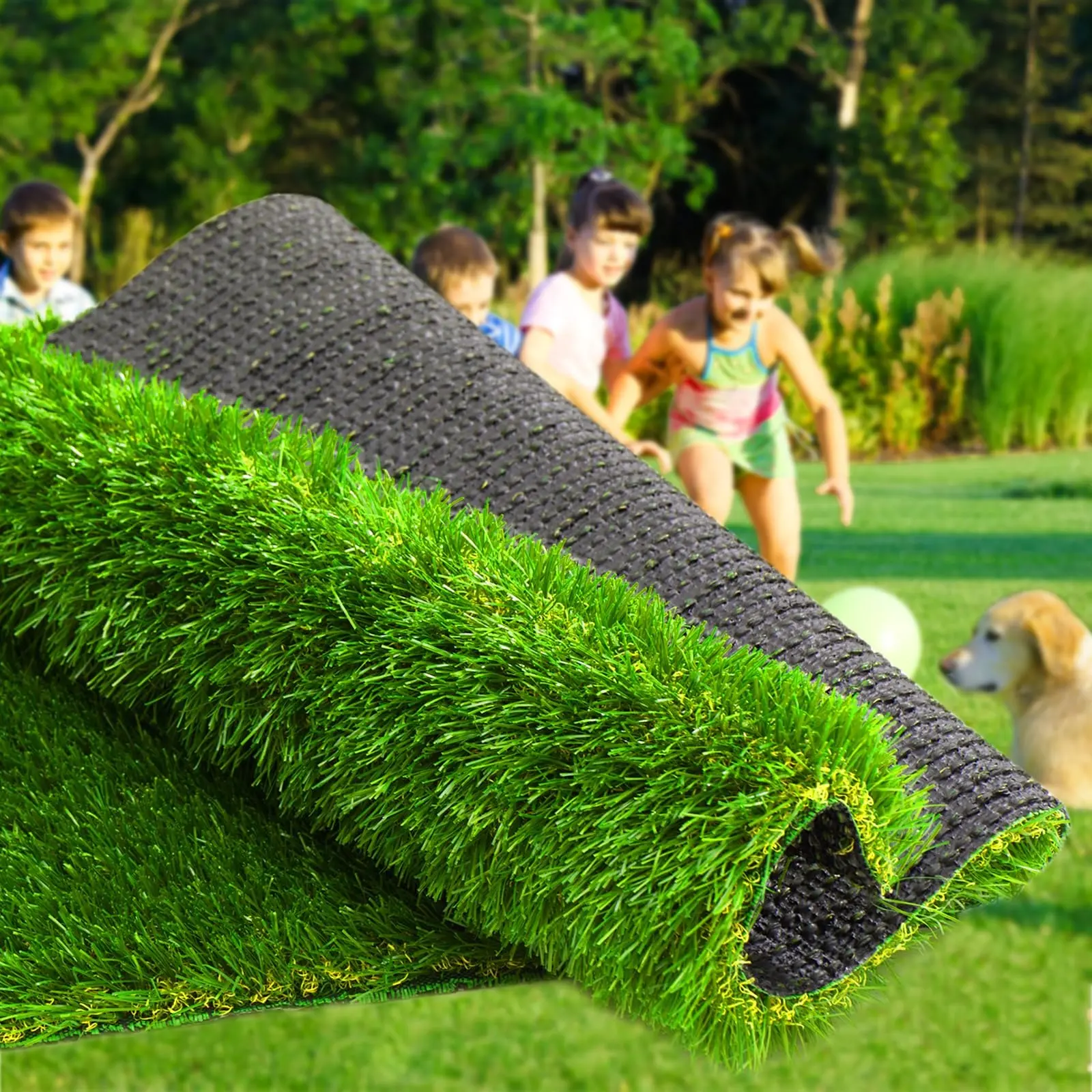
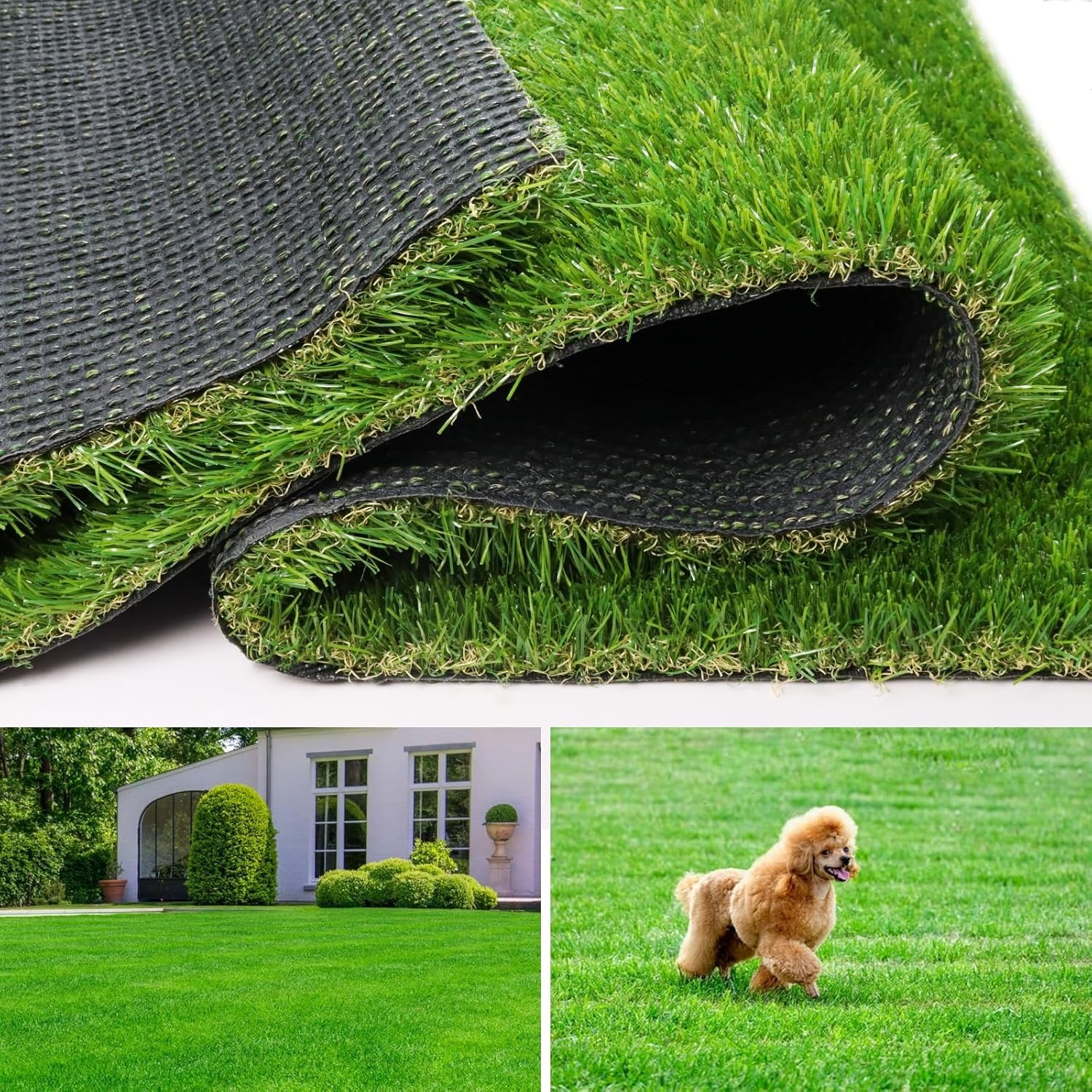
Artificial Grass Delivers Stable Outdoor Performance with Lower Lifetime Costs
2026-01-13
Why artificial grass is being specified in more commercial projects
Traditional natural turf often struggles with wear, water consumption, and inconsistent appearance. Artificial grass addresses these limitations by offering predictable performance across different usage conditions.
Key drivers behind its adoption include:
-
Consistent visual quality throughout the year
-
Reduced irrigation and maintenance requirements
-
Stable surface performance under heavy foot traffic
-
Faster project delivery with fewer post-installation issues
For many developers and facility operators, artificial grass is selected to reduce long-term operating risks rather than to simply improve aesthetics.
Core product parameters professional buyers evaluate
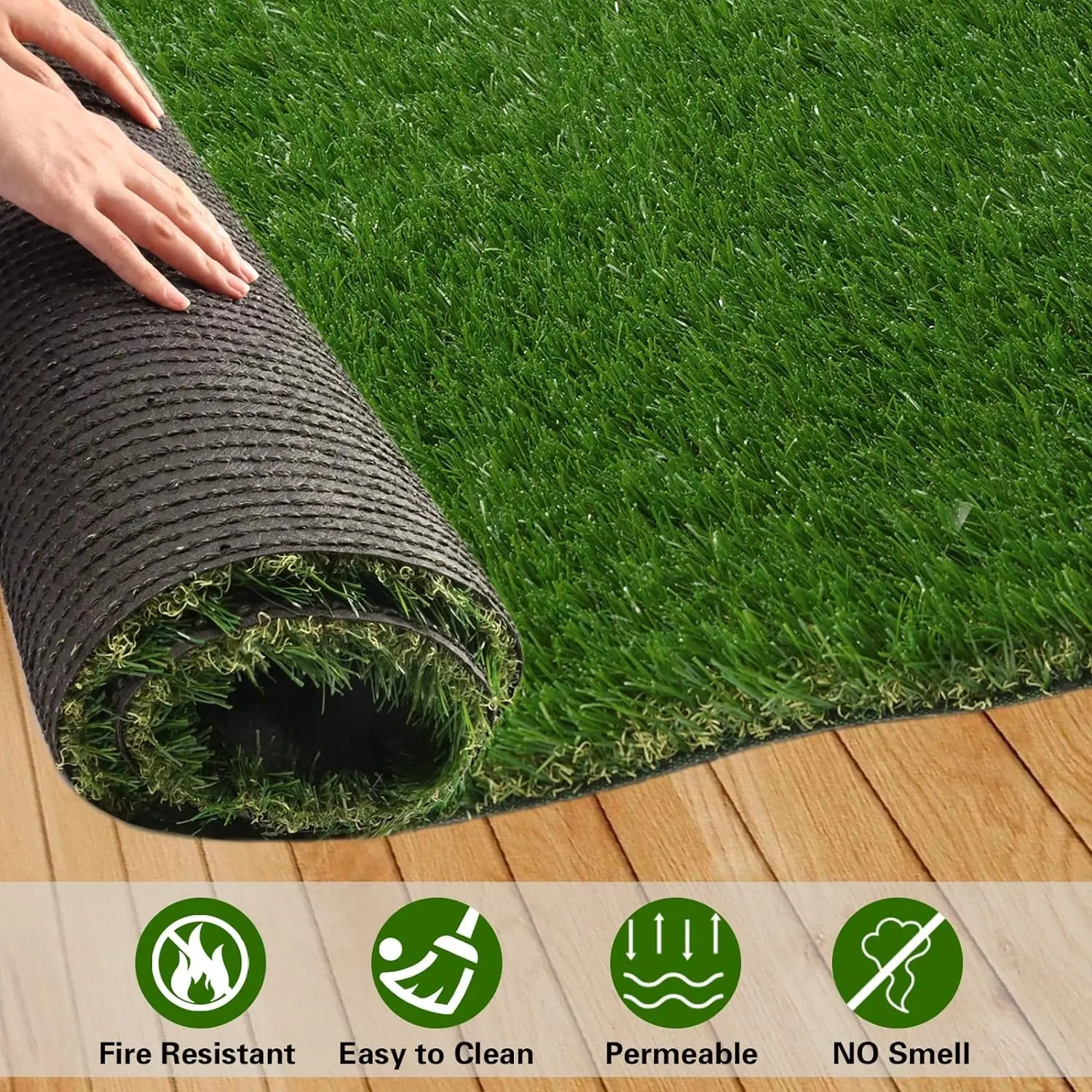
Artificial grass performance depends heavily on its technical configuration. Common parameters reviewed during specification include:
-
Pile height: typically ranges from 20 mm to 50 mm, depending on application
-
Fiber type: monofilament or fibrillated yarns for different wear profiles
-
Density and stitch rate: higher density improves resilience and recovery
-
Backing system: multi-layer backing improves dimensional stability
-
UV resistance: essential for long-term color retention
These parameters directly affect lifespan, comfort, and maintenance frequency.
Application scenarios across different industries
Artificial grass is now used across a wide range of sectors, each with specific performance priorities.
Landscape design firms use it to create stable visual outcomes in areas where natural grass is difficult to maintain.
Real estate developers specify artificial grass to control post-handover maintenance costs and ensure consistent project presentation.
Schools and sports field contractors value predictable surface behavior and reduced downtime.
Hotels, malls, and public spaces rely on artificial grass to maintain clean, usable outdoor areas under continuous foot traffic.
Event organizers and exhibition builders choose it for fast installation and reliable appearance during short-term use.
Problems artificial grass helps solve on real projects
In many projects, artificial grass is chosen to address recurring operational issues:
-
Patchy or worn natural turf in high-traffic zones
-
Excessive water use and irrigation infrastructure costs
-
Long recovery times after heavy use or events
-
Inconsistent surface quality affecting user experience
By eliminating these variables, artificial grass allows planners to design outdoor areas that perform as intended over time.
Maintenance expectations versus reality
One common industry concern is maintenance workload. While artificial grass is not maintenance-free, its requirements are predictable and limited.
Typical maintenance includes:
-
Periodic brushing to maintain fiber orientation
-
Debris removal to keep drainage pathways clear
-
Occasional surface inspection in high-use areas
Compared to natural turf, maintenance input is significantly reduced and easier to schedule.
Durability and lifecycle performance
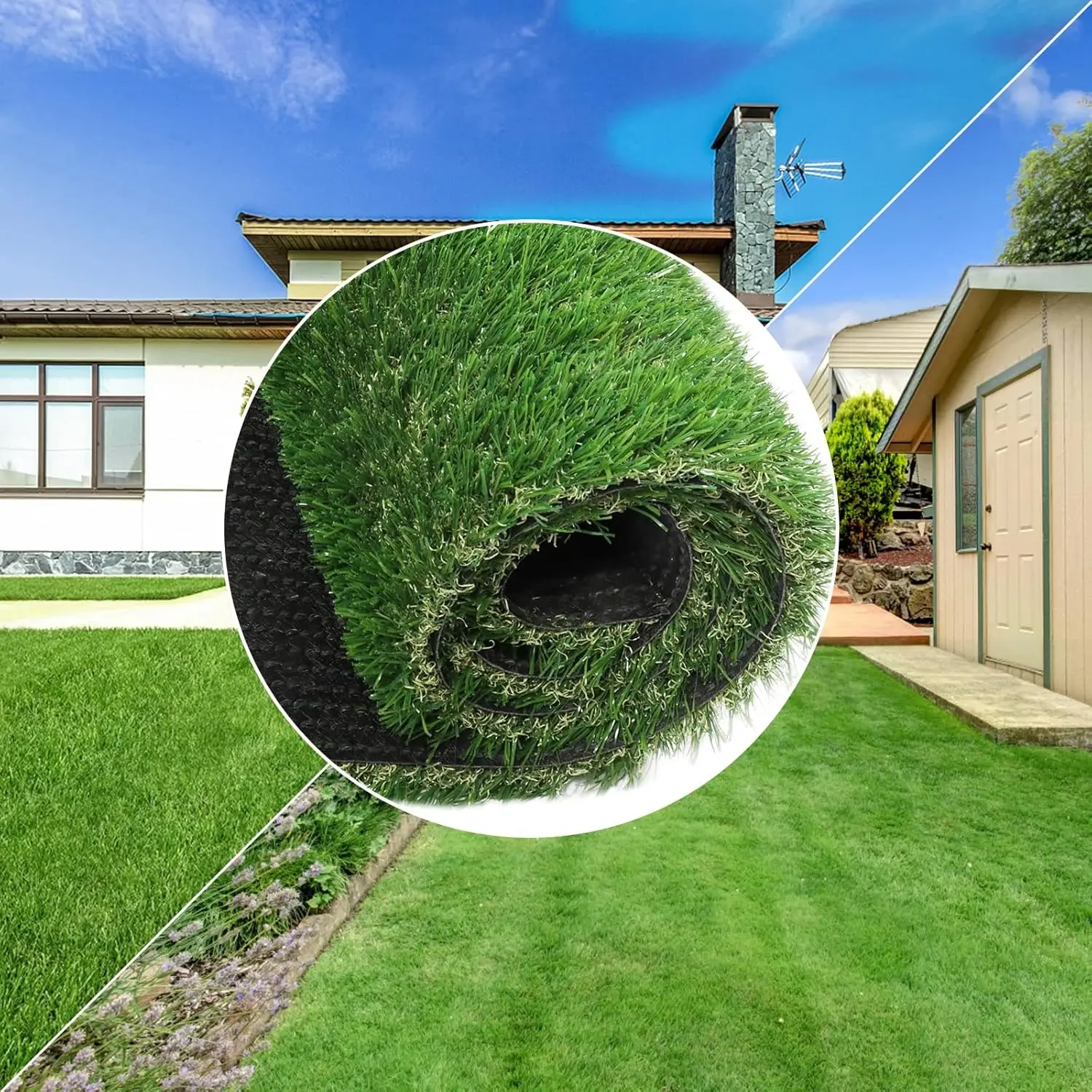
When properly specified and installed, commercial-grade artificial grass can maintain functional performance for many years. UV-stabilized fibers and reinforced backing systems help prevent premature degradation, even under continuous exposure.
From a lifecycle cost perspective, buyers often evaluate artificial grass based on:
-
Installation cost versus long-term savings
-
Reduced labor and water expenses
-
Lower surface replacement frequency
This makes it attractive for projects with long operational horizons.
Hot industry topic: sustainability and artificial grass
Sustainability discussions increasingly influence material selection. Artificial grass contributes by reducing water consumption and eliminating chemical treatments commonly used on natural turf. Modern products are also designed with recyclability and material efficiency in mind, aligning with broader sustainability goals without compromising performance.
Summary
Artificial grass has become a reliable surface solution for commercial, public, and multi-use projects. With well-defined parameters, flexible application scenarios, and predictable lifecycle performance, it helps stakeholders reduce maintenance risk, control costs, and deliver consistent outdoor environments.
FAQ
How long does artificial grass typically last in commercial use?
With proper specification and installation, commercial-grade artificial grass can perform reliably for many years.
Is artificial grass suitable for heavy foot traffic areas?
Yes. High-density designs are specifically engineered for continuous use in public and commercial spaces.
Does artificial grass require regular watering?
No. Watering is only needed occasionally for cleaning, not for growth or maintenance.
Can artificial grass be customized for different projects?
Yes. Pile height, density, and backing systems can be selected based on specific application needs.