
 +86 19005411400+86 15006803065


0102030405
Artificial Grass Maintenance: Essential Practices for Commercial & Residential Use
2025-11-10
Artificial grass offers an eco-friendly and visually appealing alternative to natural lawns. For B2B buyers such as landscape firms, developers, and event organizers, understanding how artificial grass is maintained ensures that the investment remains safe, clean, and attractive over time.
Understanding Your Artificial Grass
Before discussing maintenance, it’s important to understand its structure:
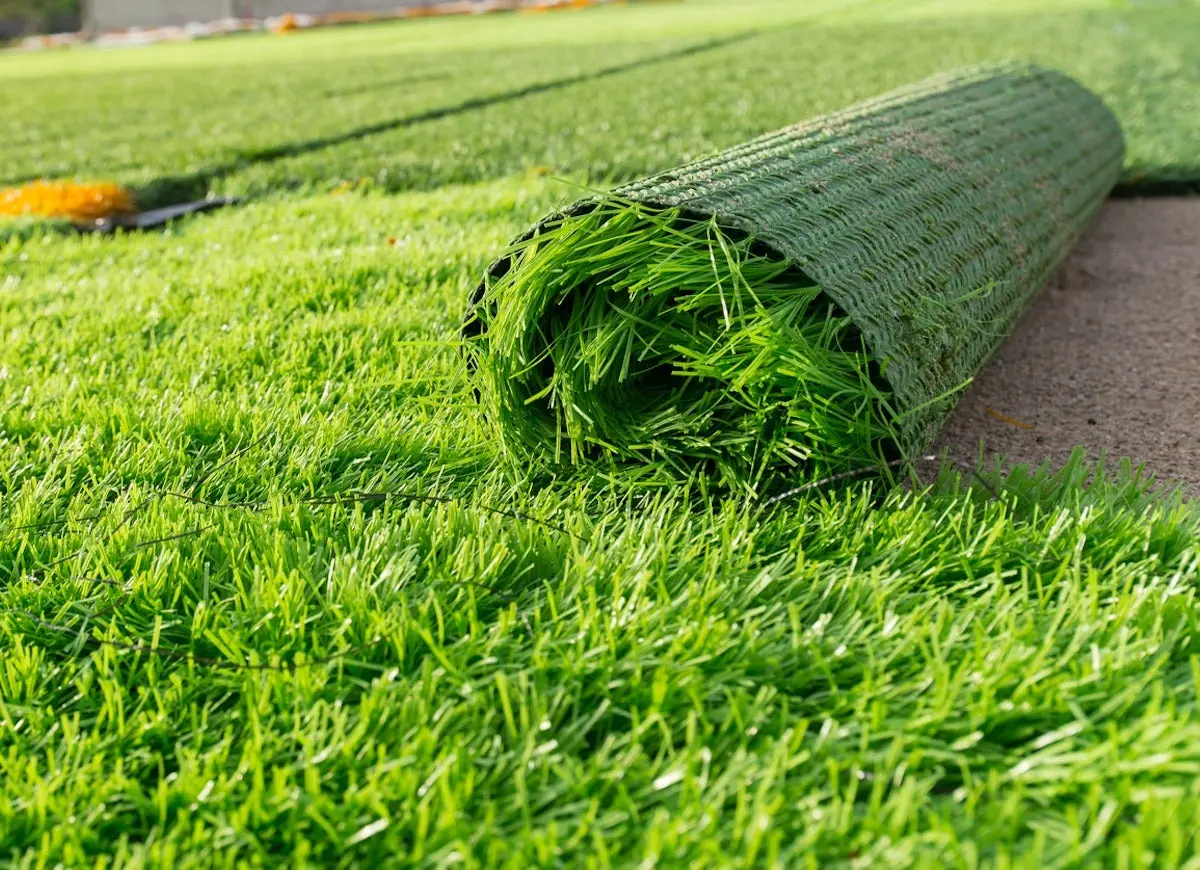
- Fiber Type: PE, PP, Nylon, or hybrid blends
- Pile Height: 25–50 mm common for commercial landscaping
- Density: 12,000–20,000 stitches/m² provides resilience under heavy foot traffic
- Backing & UV Protection: Reinforced, waterproof, UV-resistant backing prevents curling and fading
- Infill Material: Sand, rubber, or silica helps maintain fiber alignment and cushioning
- Fact: Research shows that high-quality PE fibers retain their color and upright structure for over a decade with minimal intervention.
Step-by-Step Maintenance Guide
- Remove Loose Debris: Regularly pick up leaves, litter, and dust. For large areas, use leaf blowers.
- Brush the Turf: Lift flattened fibers with a soft broom or brush. High-traffic zones may need brushing every 1–2 weeks.
- Clean Stains and Spills: Mild soap and water can remove food, beverage, and organic stains.
- Replenish Infill: Maintain sand or rubber levels every 3–6 months to preserve cushioning.
- Inspect for Damage: Look for seam splits, edge lifting, or uneven fibers and repair promptly.
Industry Applications and Advantages
- Landscape Designers: Maintain visually appealing public and private spaces
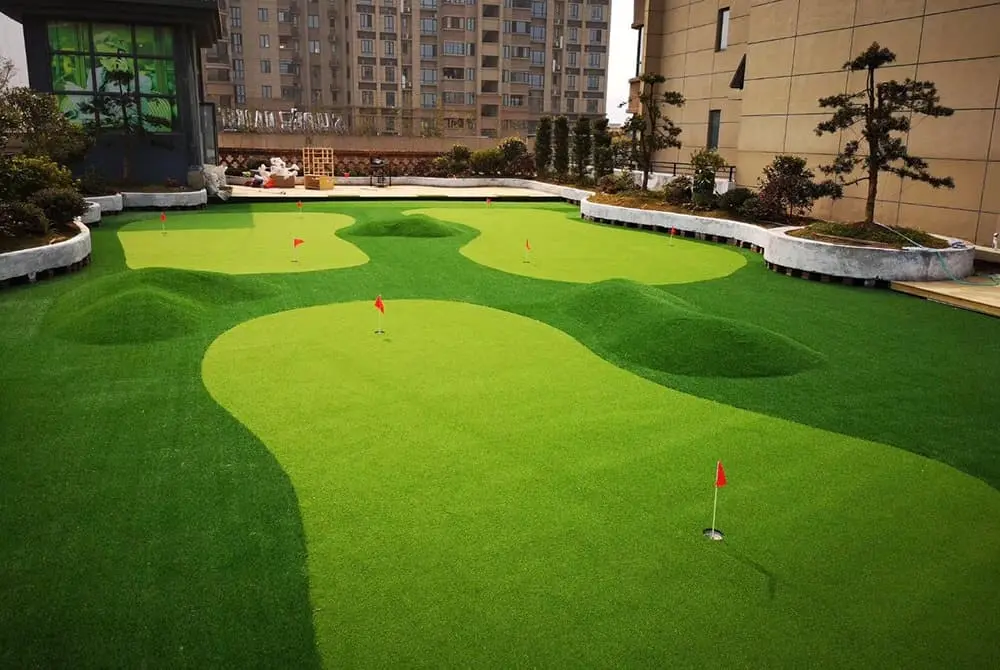
- Real Estate Developers: Keep communal gardens and rooftop greenery in pristine condition
- Schools & Sports Facilities: Ensure safe and functional playgrounds, tracks, and sports fields
- Hotels & Malls: Protect event lawns, pedestrian zones, and rooftop terraces
- Event & Exhibition Planners: Extend the life of temporary outdoor displays and flooring
Benefits of Consistent Maintenance
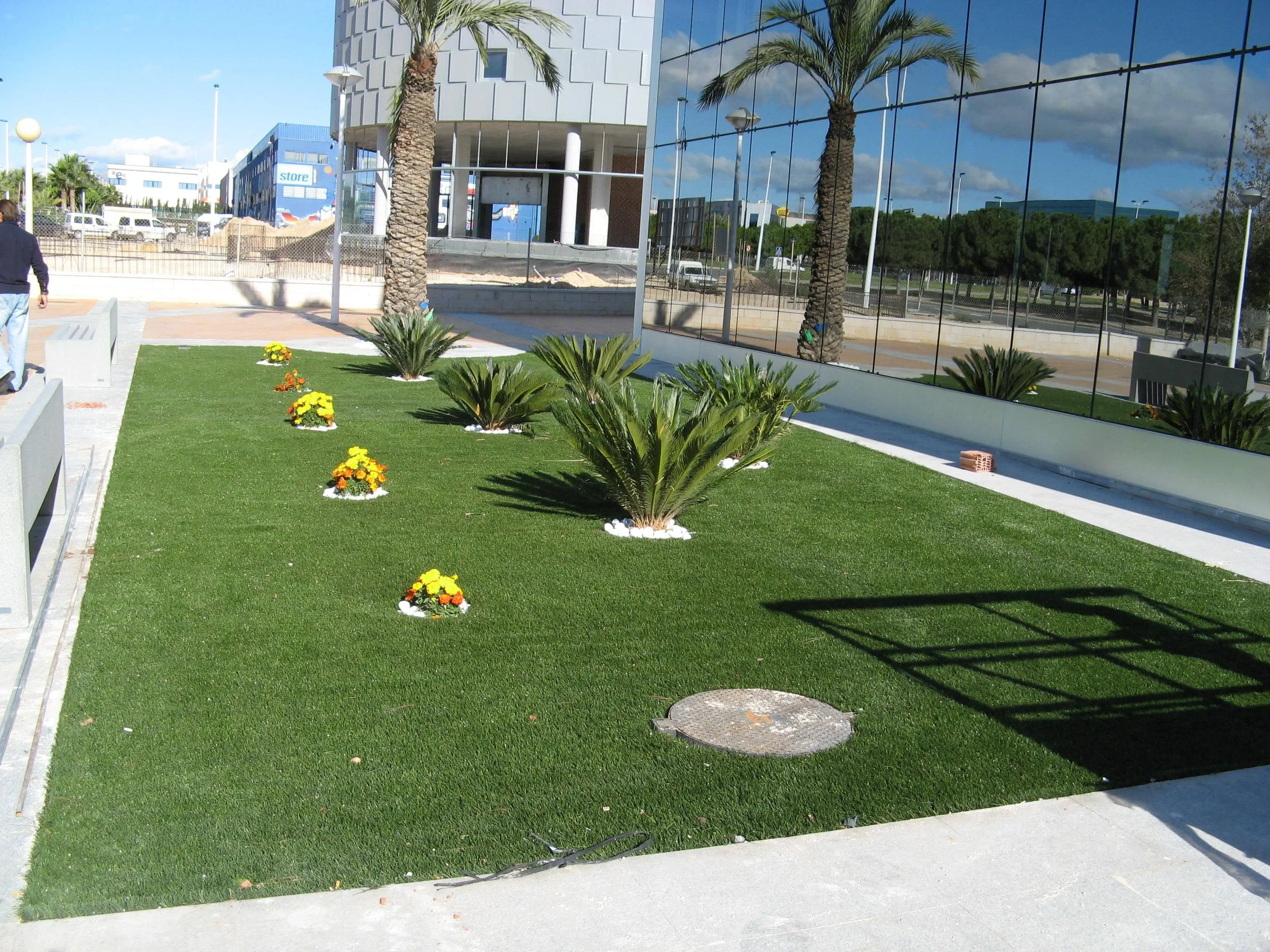
- Extends the usable life of the turf by several years
- Keeps the grass soft, upright, and visually consistent
- Reduces the risk of accidents or slipping
- Minimizes long-term replacement and labor costs
Tips for Optimal Care
- Avoid placing heavy furniture or machinery on artificial grass for prolonged periods
- Sweep debris before washing to prevent clogging the backing’s drainage holes
- Avoid harsh chemicals that can deteriorate the fibers
- Inspect and adjust infill after extreme weather events
Proper maintenance is key to achieving long-term durability and aesthetic appeal for artificial grass in commercial and residential applications. By adopting routine brushing, cleaning, infill management, and inspections, B2B clients can enjoy green, safe, and cost-efficient synthetic lawns across multiple industries.
FAQ
Q1: How do I prevent artificial grass from flattening?
A1: Regularly brush fibers and maintain proper infill to support upright growth.
Q2: Can artificial turf handle heavy traffic and sunlight exposure?
A2: Yes, high-quality UV-stabilized turf resists fading and fiber damage.
Q3: How often should infill be checked?
A3: Every 3–6 months or after heavy use.
Q4: Is maintenance labor-intensive?
A4: No, artificial grass requires minimal upkeep compared to natural lawns, saving time and costs.