
 +86 19005411400+86 15006803065


0102030405
Commercial Artificial Grass: Lifespan, Performance, and Best Practices for Outdoor Use
2025-10-21
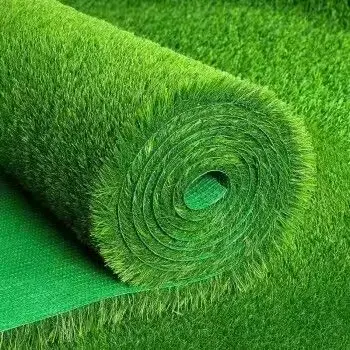
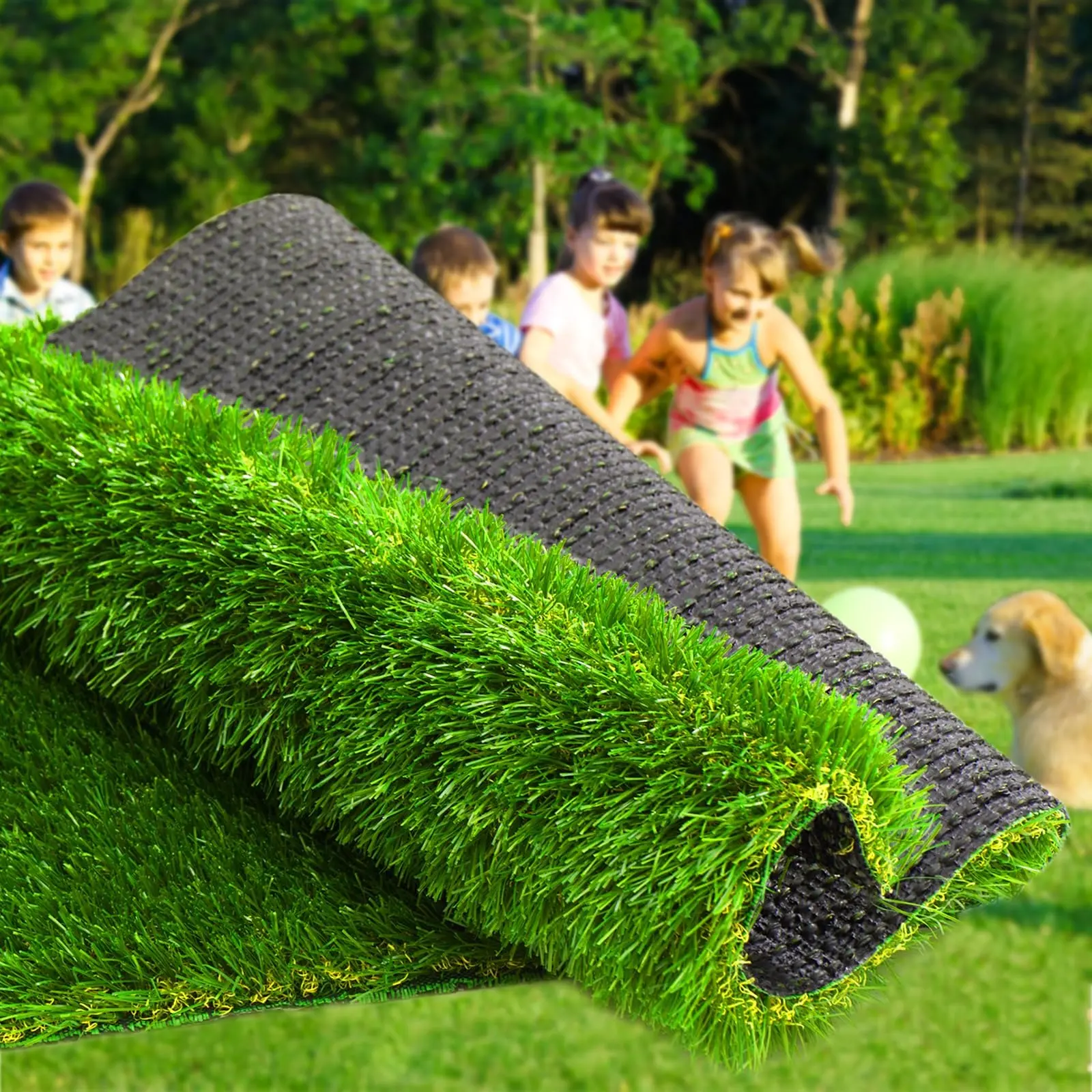
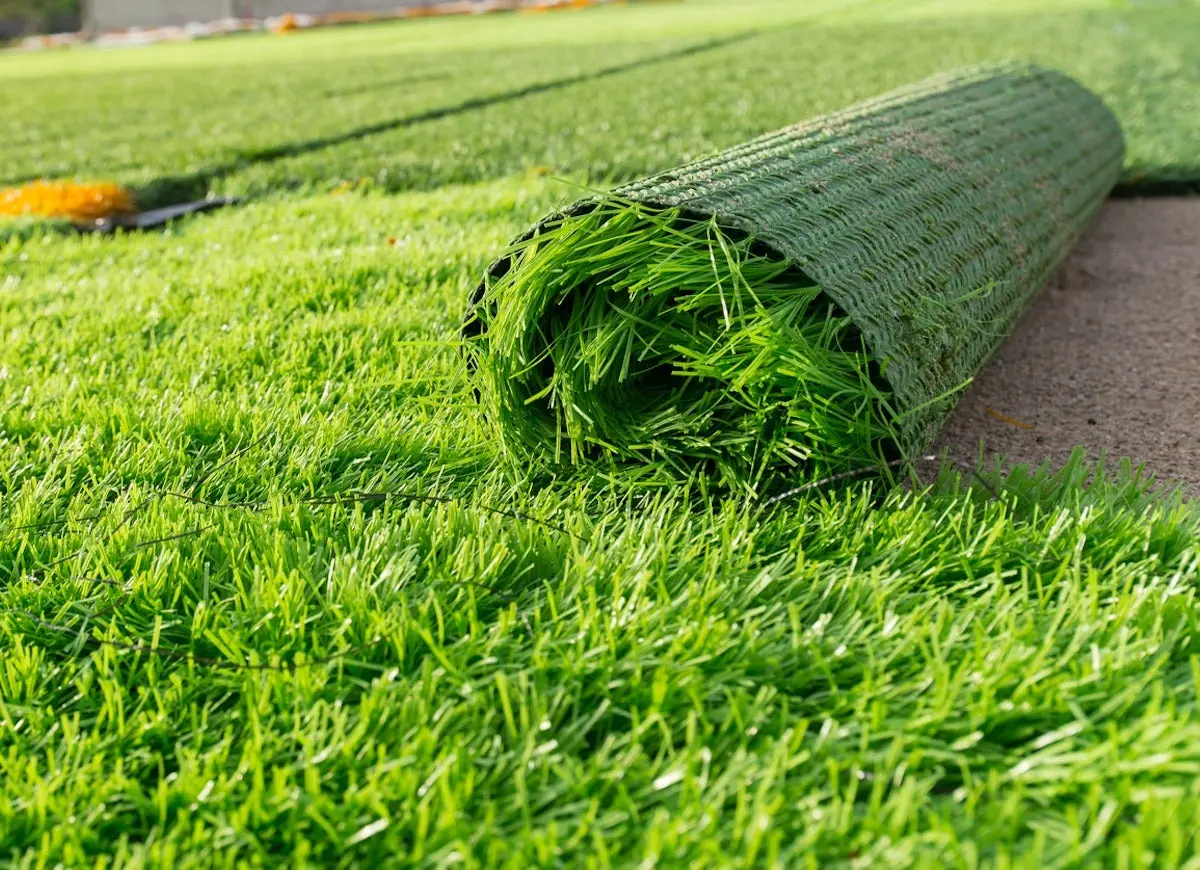
Artificial grass is no longer just for sports fields—it’s a versatile, durable solution for commercial landscaping. Companies, developers, and facility managers are increasingly turning to synthetic turf for low-maintenance greenery.
A frequent concern is: How long does artificial grass last outdoors? Knowing expected lifespan and maintenance requirements helps B2B buyers plan for cost-efficient, long-term use.
Types and Durability of Commercial Artificial Grass
Artificial grass comes in different fibers designed for specific applications:
Polyethylene (PE): Natural appearance, soft texture, suitable for decorative lawns; lifespan 8–12 years.
Polypropylene (PP): Lightweight and economical; best for low-traffic areas; lifespan 5–7 years.
Nylon (Polyamide): Extremely strong, ideal for high-traffic areas; lifespan up to 15 years.
Hybrid/Blended Turf: Combines fibers for durability and aesthetics; customizable for commercial projects.
Other factors affecting outdoor durability include UV stabilization, backing strength, pile height, and infill quality.
Data Insight: High-density PE turf with UV-protection and proper infill has been proven to maintain over 90% of its original appearance after 10 years in commercial installations.
Commercial Applications and Industry Use
Landscape Design Firms: Green terraces, public-facing commercial landscapes
Real Estate Developers: Courtyards, communal lawns, rooftop greenery
Homeowners & Garden Retail Buyers: Private lawns and garden display areas
Schools & Sports Contractors: Playgrounds, school fields, training areas
Hotels, Malls & Public Spaces: Decorative lawns, event zones, open courtyards
Event & Exhibition Companies: Trade shows, temporary outdoor flooring, exhibition layouts
Key Benefits for B2B Clients
Low Maintennce: Cuts mowing and irrigation costs
Durable Performance: Handles foot traffic and weather changes
Visual Consistency: Keeps a lush green appearance all year
Cost-Effective: Reduces long-term operational and labor expenses
Eco-Conscious: Reduces water use and can be made from recyclable materials
Best Practices to Maximize Outdoor Lifespan
Proper Base Preparation: Ensure even ground, drainage, and compacted substrate.
Professional Installation: Avoid wrinkles, seams, and uneven surfaces.
Regular Cleaning: Sweep debris, rinse dust, and remove leaves to prevent mold.
Infill Maintenance: Check rubber or sand infill yearly to support fibers and cushion impact.
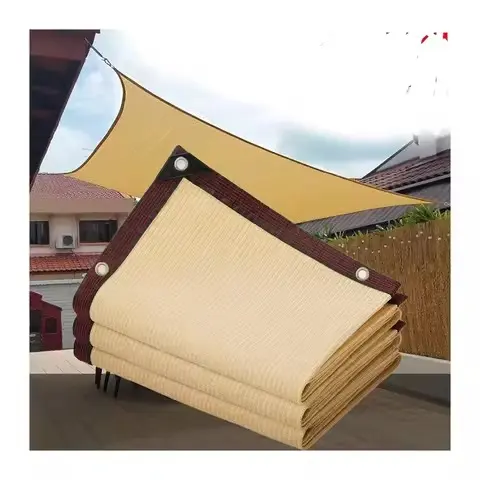
UV and Weather Protection: Strategic placement in high-sun areas or using shade can extend lifespan.
Commercial artificial grass provides a durable, low-maintenance alternative to natural turf with predictable outdoor performance.
Depending on fiber type, installation quality, and maintenance, synthetic turf can last 8–15 years outdoors. Investing in quality materials and proper upkeep ensures excellent aesthetics, reduced operational costs, and reliable performance across commercial, industrial, and public spaces.
FAQ
1. How long does commercial artificial grass last outdoors?
PE turf: 8–12 years; Nylon: up to 15 years; PP: 5–7 years.
2. Can artificial grass survive heavy traffic and outdoor conditions?
Yes, commercial-grade turf is designed for heavy foot traffic and various weather conditions.
3. Does artificial grass require special maintenance?
Occasional cleaning, brushing, and infill replenishment are recommended.
4. Is artificial grass environmentally friendly?
High-quality artificial turf reduces water usage and can be made from recyclable materials.