 +86 19005411400+86 15006803065


0102030405
How Does Artificial Grass Perform in Different Climates? Insights for Commercial Use
2025-12-15
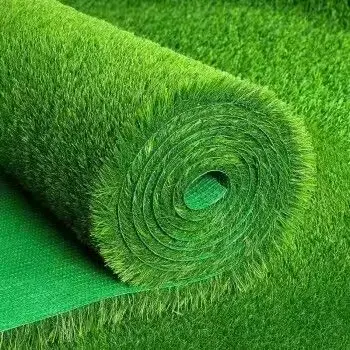
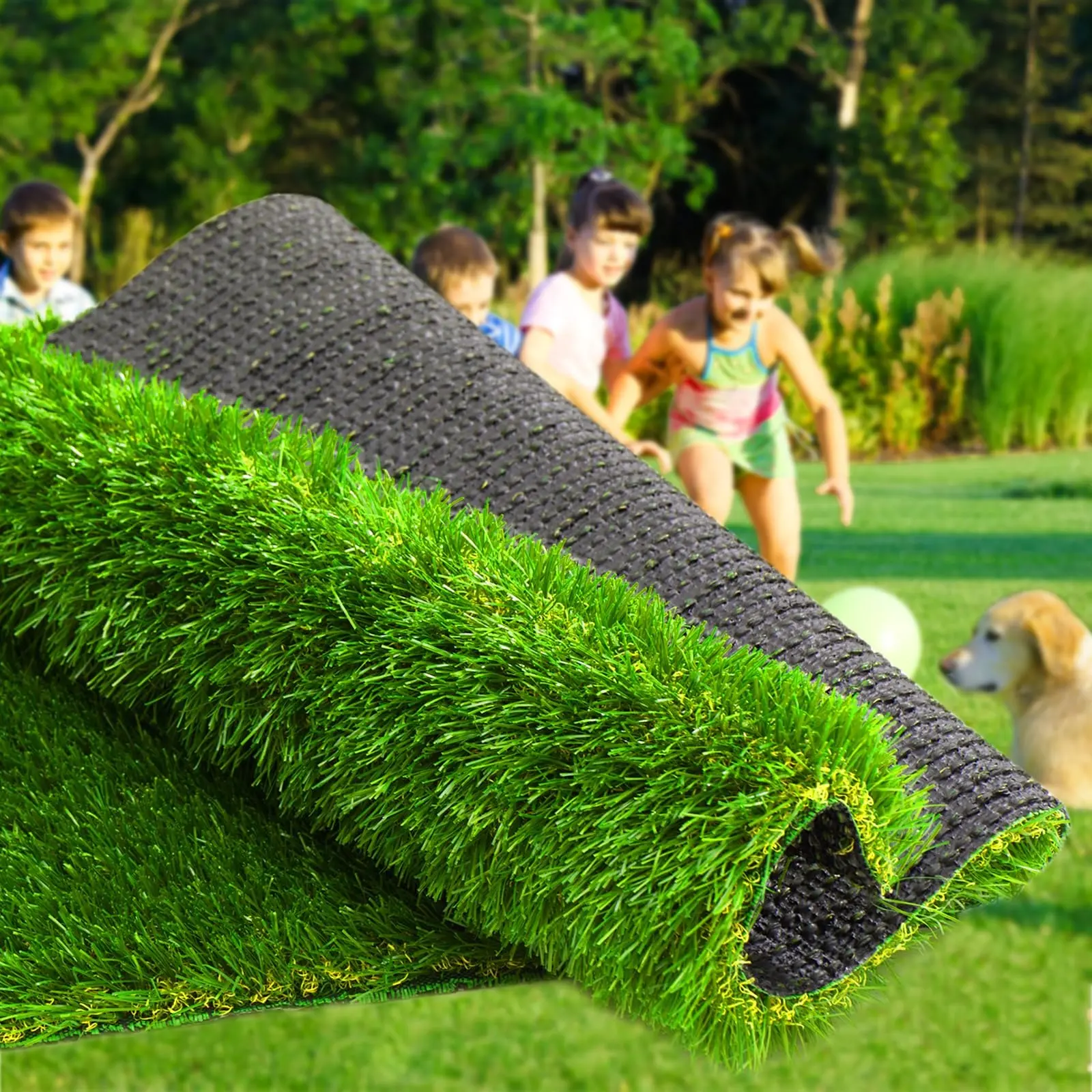
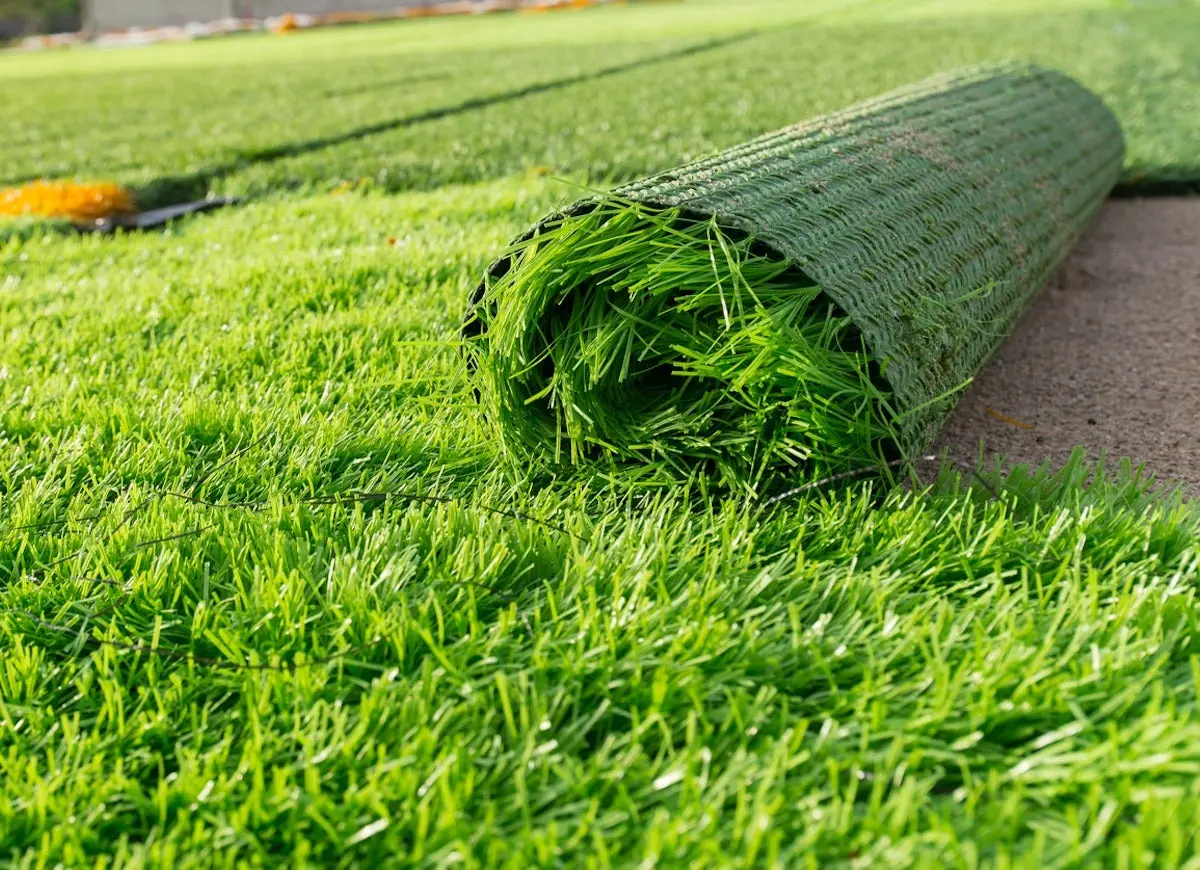
Artificial grass has become a reliable choice for commercial projects, from landscaping firms to public spaces and sports facilities. Understanding how artificial grass behaves in different climates helps buyers plan long-term investments, reduce maintenance costs, and ensure consistent appearance over time.
Key Specifications for Climate Adaptability
-
Material types: Polyethylene (PE), Nylon, or Hybrid fibers for specific performance needs.
-
Pile height and density: Higher density (10,000–20,000 stitches per square meter) retains shape and resilience.
-
UV stabilization and drainage: Ensures color retention and prevents waterlogging in humid climates.
Industrial and Commercial Applications
-
Landscape design firms: rooftop gardens, green terraces.
-
Real estate developers: courtyards, community lawns.
-
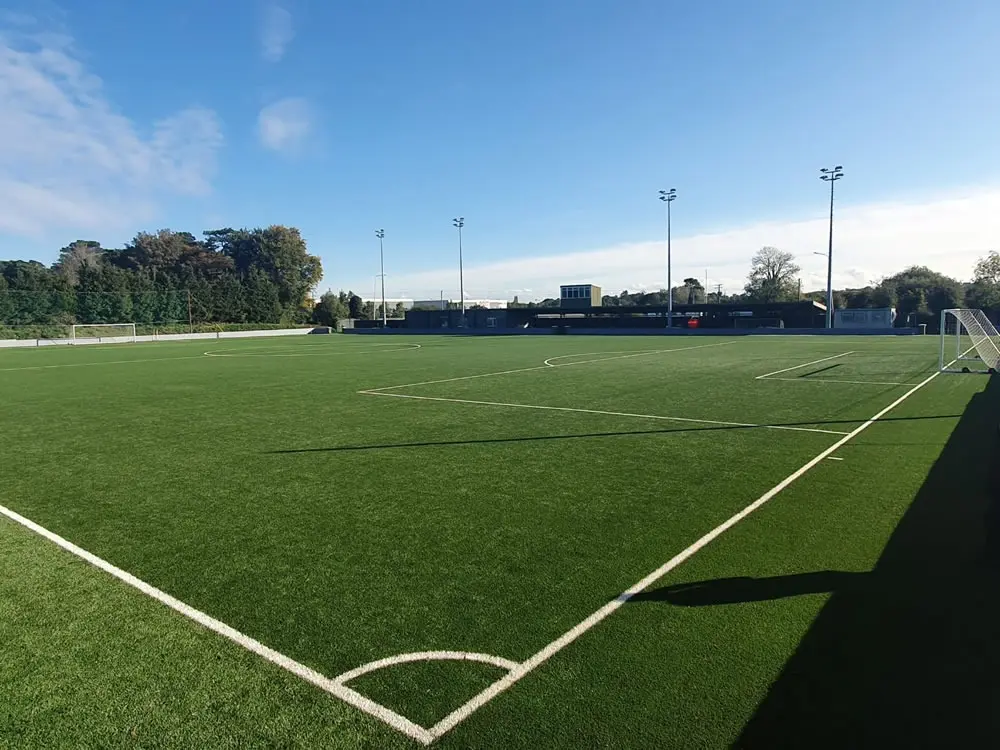
Schools and sports contractors: playgrounds, football fields, training areas.
-
Hotels, malls, and public spaces: outdoor lounges, decorative lawns.
-
Event and exhibition builders: temporary flooring, exhibition setups.
-
Homeowners and garden retail buyers: display lawns and demonstration areas.
Climate-Specific Performance
-
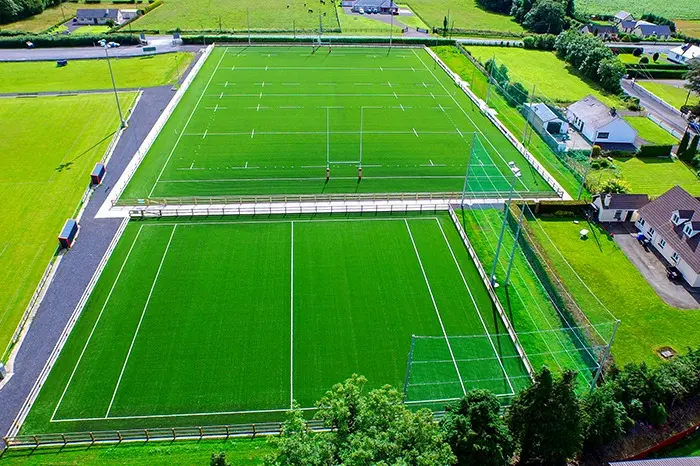
Hot and arid areas: UV-stabilized PE fibers with infill reduce surface temperature by 20–30%.
-
Humid and rainy regions: Perforated backing promotes drainage and prevents mildew.
-
Cold and frost-prone environments: Nylon fibers retain shape and resist frost damage.
-
Brush fibers regularly to keep them upright.
-
Remove debris and fallen leaves to prevent mold or fiber flattening.
-
Inspect and replenish infill annually for cushioning and stability.
High-quality artificial grass provides 10–15 years of reliable outdoor performance, depending on climate, fiber type, and maintenance. Investing in premium fibers, proper installation, and routine upkeep ensures long-term durability, cost efficiency, and eco-friendly landscaping solutions.
FAQ
-
How does artificial grass handle extreme sunlight?
Commercial-grade turf is UV-stabilized, preventing fading even in high temperatures. -
Which fiber is best for rainy climates?
Nylon or hybrid turf with perforated backing performs best under frequent rainfall. -
Can artificial grass resist frost and cold weather?
Yes, premium Nylon or hybrid fibers are frost-resistant and maintain shape. -
How often should maintenance be performed?
Light brushing and debris removal weekly, with infill checks yearly, ensure optimal lifespan.