
 +86 19005411400+86 15006803065


0102030405
How Long Does a Clear Tarp Last Outdoors? A Practical Guide for Industrial Users
2025-10-13
Clear tarps have become a vital material for many industries that require weather protection without sacrificing visibility or light transmission. From construction sites and transport hubs to emergency relief shelters, clear tarpaulins play a crucial role in keeping operations running smoothly in all weather conditions.
But one of the most common questions industrial buyers ask is: “How long does a clear tarp last outdoors?”
This guide explores the key factors affecting tarp longevity, the types of materials used, and how businesses can extend the service life of their outdoor covers.
Understanding Clear Tarps and Their Construction
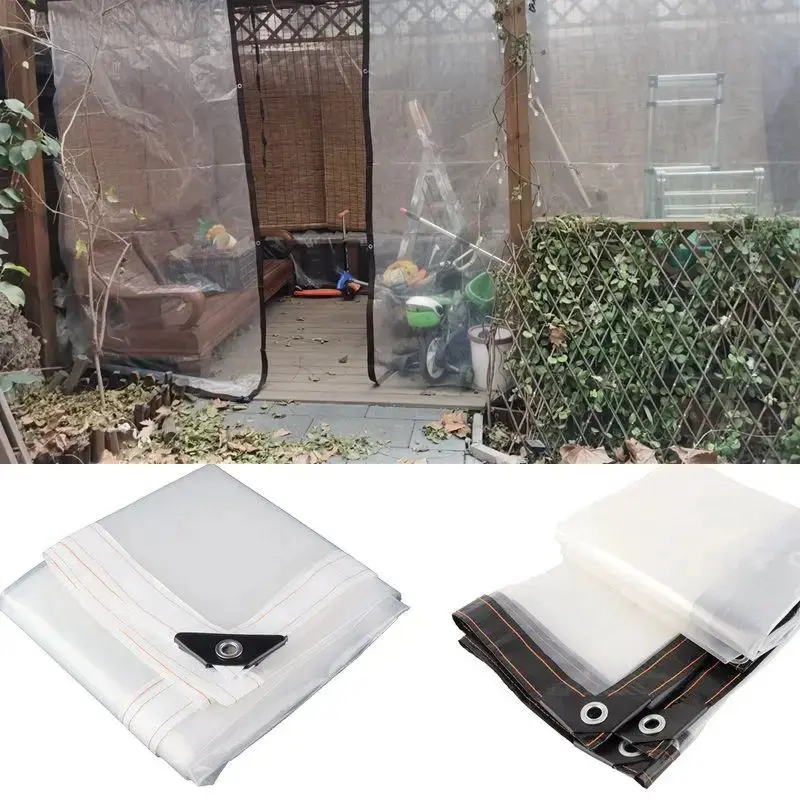
A clear tarp, also known as a transparent waterproof sheet, is made primarily from polyethylene (PE) or polyvinyl chloride (PVC) material. These synthetic polymers are selected for their combination of flexibility, tensile strength, and weather resistance.
Typical technical specifications include:
Material: PE (woven or non-woven) / PVC (reinforced vinyl)
Thickness: 0.15 mm – 1.0 mm depending on the application
Tensile Strength: 400–1200 N / 5cm
UV Resistance: Up to 95% UV blocking capability
Temperature Range: –20°C to +60°C
Waterproof Rating: 100% leak-proof with heat-sealed seams
Customization Options: Eyelets, rope reinforcements, anti-fog coating, flame-retardant treatment
These parameters determine how well the tarp performs outdoors and how long it will maintain its clarity and mechanical integrity.
Average Lifespan of Clear Tarps Outdoors
The average outdoor lifespan of a clear tarp typically ranges between 12 months and 5 years, depending on multiple environmental and operational factors.
|
Tarp Type |
Material |
UV Protection |
Outdoor Lifespan (Approx.) |
|
Standard PE Clear Tarp |
Polyethylene |
Basic |
12–18 months |
|
UV-Stabilized PE Tarp |
Polyethylene + UV Additive |
Medium |
2–3 years |
|
Heavy-Duty PVC Clear Tarp |
Reinforced Vinyl |
High |
3–5 years |
|
Fire-Retardant Industrial PVC |
Vinyl + Additives |
Very High |
5+ years (under moderate conditions) |
Here’s a quick reference:
For industrial users, selecting the right grade is crucial. While lower-cost PE tarps are suitable for short-term coverage, reinforced PVC tarps are recommended for permanent or semi-permanent outdoor setups.
Factors That Affect the Durability of a Clear Tarp
The actual outdoor life of a tarp depends on how and where it’s used. Key influencing factors include:
Sun Exposure (UV Radiation)
Prolonged UV exposure weakens plastic fibers over time.
UV-stabilized coatings can extend life by up to 50%.
Environmental Conditions
High humidity, strong winds, and salt air can accelerate wear.
Tarps used near coastal or industrial zones may degrade faster.
Mechanical Stress
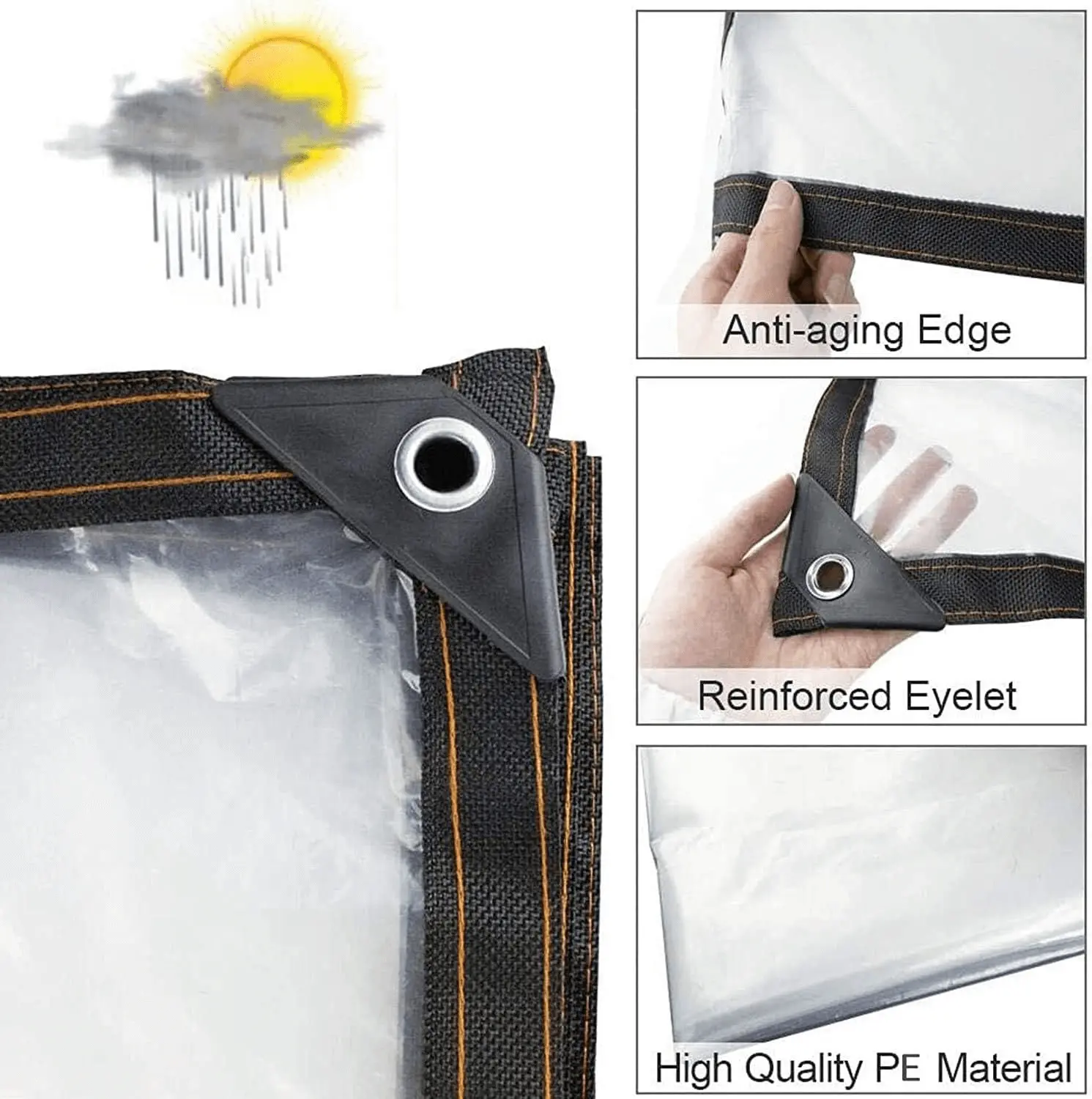
Frequent movement, folding, or tension can cause micro-cracks.
Reinforced edges and double stitching improve tear resistance.
Installation Method
Proper tensioning and anchor placement prevent premature tearing.
Avoid sharp edges or overtightening that strain the fabric.
Maintenance and Cleaning
Dirt, oil, and mold can damage the surface coating.
Regular cleaning and dry storage when not in use increase longevity.
Where Clear Tarps Are Used in Industrial Operations
Clear tarps are valued for their transparency, allowing natural light while maintaining full protection from wind, rain, and dust.
They are now standard in various B2B sectors:
- Logistics and Transportation
Used as truck covers, cargo dividers, and container liners.
Keeps goods visible for inspection while shielding from rain or debris.
- Construction and Engineering
Temporary roofing, scaffolding covers, and dust barriers.
Provides a safe, illuminated work environment without electricity.
- Factories and Storage Facilities
Covers machinery, pallets, and materials stored outdoors.
Reduces corrosion risk and keeps production assets clean and dry.
- Ports, Mines, and Heavy Industry
Used to cover raw materials, vehicles, and work platforms.
Transparent material allows easy monitoring of stock conditions.
- Emergency and Humanitarian Operations
Clear tarps serve as makeshift shelters or containment covers.
Lightweight, easy to transport, and quick to deploy in crisis zones.
- Tent and Awning Manufacturing
Used as transparent side panels or roof sections for commercial tents.
Offers weather protection while maintaining visibility and ventilation.
How to Extend the Outdoor Lifespan of a Clear Tarp
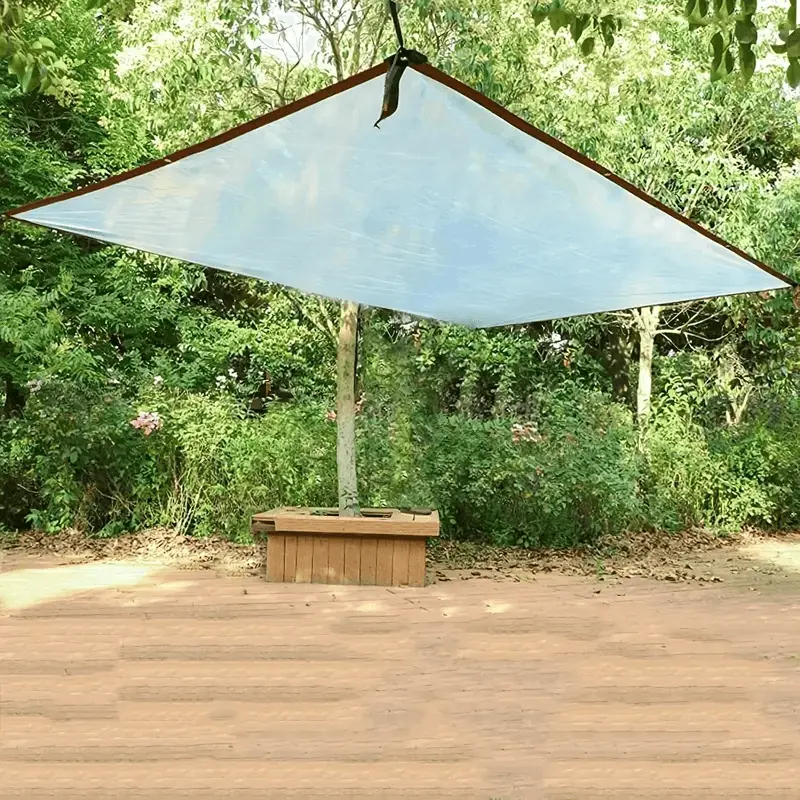
To get the best performance and ROI, follow these practical tips:
✅ Choose the Right Grade
For year-round outdoor use, opt for heavy-duty PVC with UV and anti-fungal coatings.
✅ Ensure Correct Installation
Use bungee cords or tension straps instead of rigid fixing points.
Keep the tarp slightly sloped to prevent water pooling.
✅ Perform Regular Inspections
Check edges and grommets every few weeks for early signs of stress.
Repair small tears immediately using PVC adhesive patches.
✅ Clean and Store Properly
Wash with mild soap and water; avoid harsh chemicals.
When not in use, dry completely and store away from direct sunlight.
A clear tarp’s outdoor lifespan isn’t defined by a single number — it’s the result of material quality, environmental exposure, and maintenance habits.
For construction, logistics, and industrial users, investing in a UV-stabilized, reinforced clear tarp offers better long-term performance and value.
Whether it’s covering equipment, protecting cargo, or building temporary shelters, a well-chosen clear tarp can deliver years of reliable outdoor protection when used correctly.
Frequently Asked Questions (FAQ)
-
Can clear tarps withstand heavy rain and wind?
Yes. Industrial-grade PVC clear tarps are fully waterproof and wind-resistant, especially when reinforced and properly secured. -
Do clear tarps turn yellow over time?
Low-quality PE tarps can yellow after prolonged UV exposure. Using UV-stabilized material and periodic cleaning prevents discoloration. -
Are clear tarps suitable for high-temperature areas?
Yes. PVC tarps perform well up to 60°C. For extremely hot regions, opt for versions with heat-reflective coatings. -
Can I use a clear tarp for long-term building coverage?
Definitely. Choose a heavy-duty, reinforced PVC tarp for multi-year outdoor use — ideal for semi-permanent structures and industrial shelters.