 +86 19005411400+86 15006803065


0102030405
Is Artificial Grass Eco-Friendly? Understanding Sustainability and Performance
2025-11-25
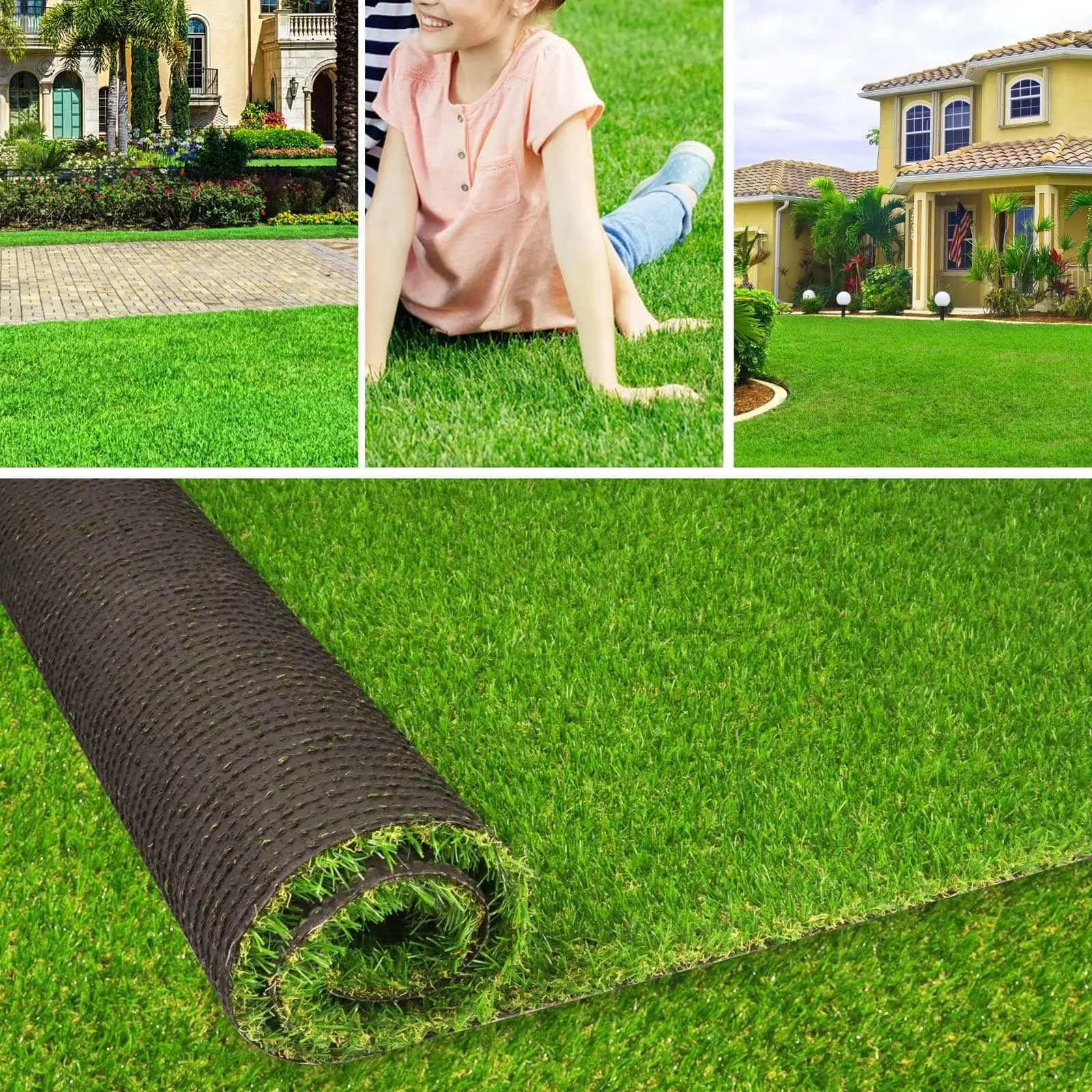
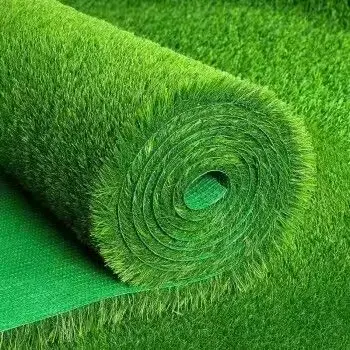
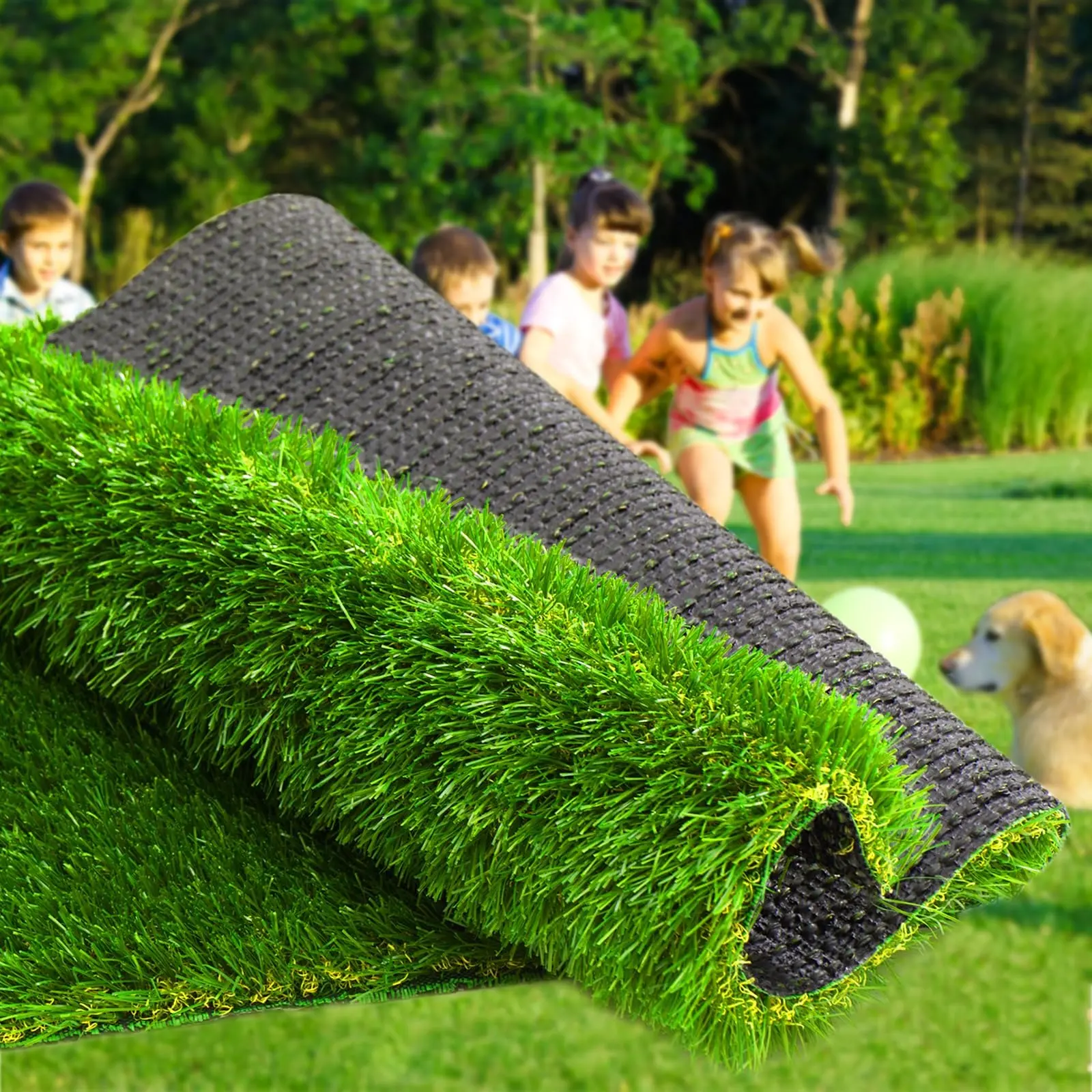
Artificial grass has evolved from early sports applications into a widely used surface solution for residential gardens, commercial landscaping, and large public spaces. As more companies prioritize sustainability and long-term operating cost reduction, the question “Is artificial grass eco-friendly?” has become one of the most frequently researched topics in the landscaping and construction field.
Why Sustainability Matters in Artificial Turf Projects
With rising water consumption, chemical fertilizer usage, and landscaping maintenance expenses, industrial and commercial buyers are actively shifting toward low-maintenance softscape alternatives.
Artificial grass reduces irrigation demand, minimizes lawn care labor, and maintains visual consistency throughout the year, making it appealing for landscaping firms, real estate developers, and sports field contractors.
Technical Parameters of Artificial Grass Systems
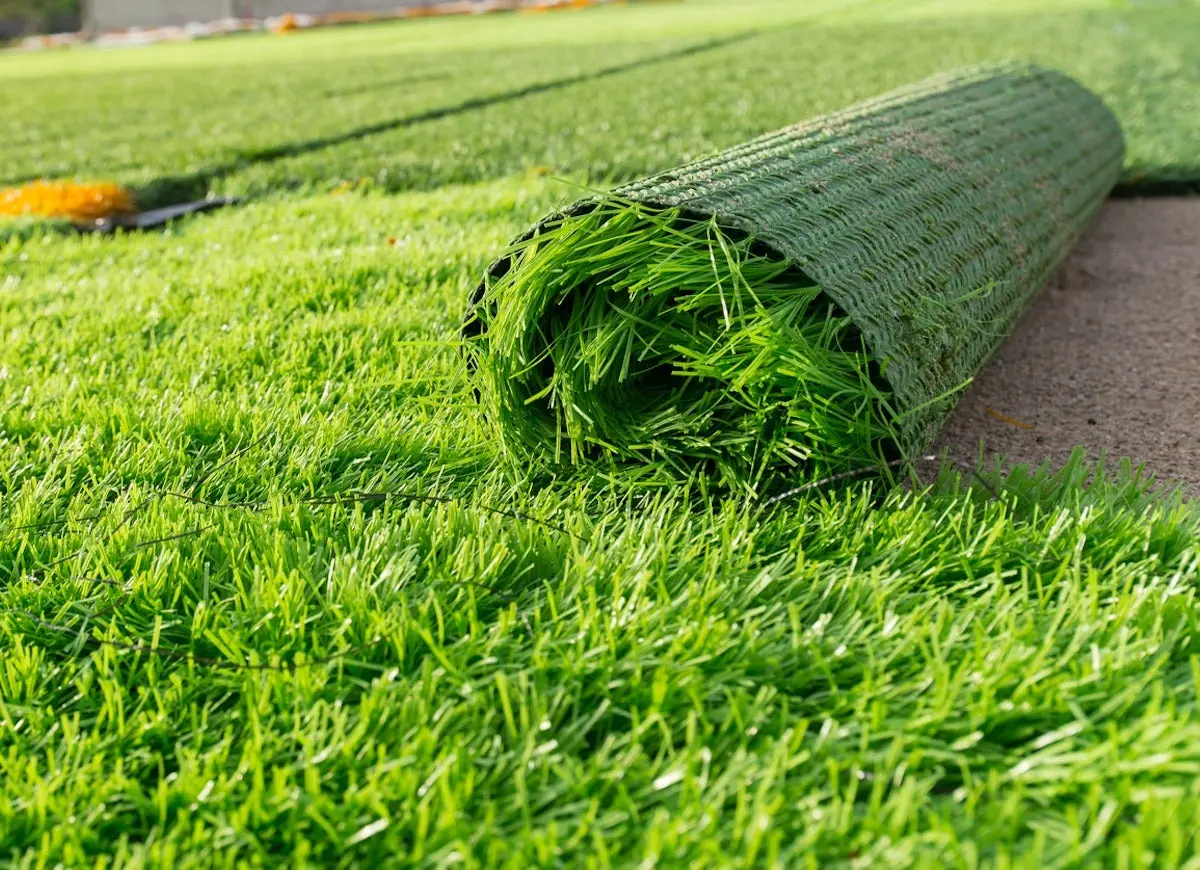
Key specifications B2B buyers typically evaluate include:Pile Height: 25mm – 60mm depending on usageStitch Density: 14,000 – 23,000 stitches per square meterBacking Structure: PP cloth + mesh + high-bond latexFiber Type: PE monofilament & curled support yarnDurability Rating: 5–10 years depending on foot trafficDrainage Capacity: 50–70 liters per minute per m²These parameters directly influence performance, safety, and lifecycle sustainability.
How Artificial Grass Supports Long-Term Eco Goals
1) Reduced Water ConsumptionArtificial grass can lower outdoor irrigation needs by up to 80%–90%, especially in high-consumption regions.
2) No Pesticides or Fertilizers RequiredEliminates:fertilizer runoffinsecticide applicationheavy metal residueThis reduces environmental pollution.
3) Long Service LifeModern fibers retain structure and UV resistance for many years.4) Recycled Material DevelopmentManufacturers are increasingly adopting:recycled backing layerspartially recycled polymersrecyclable substrates for end-of-life recovery
Industry Use Cases
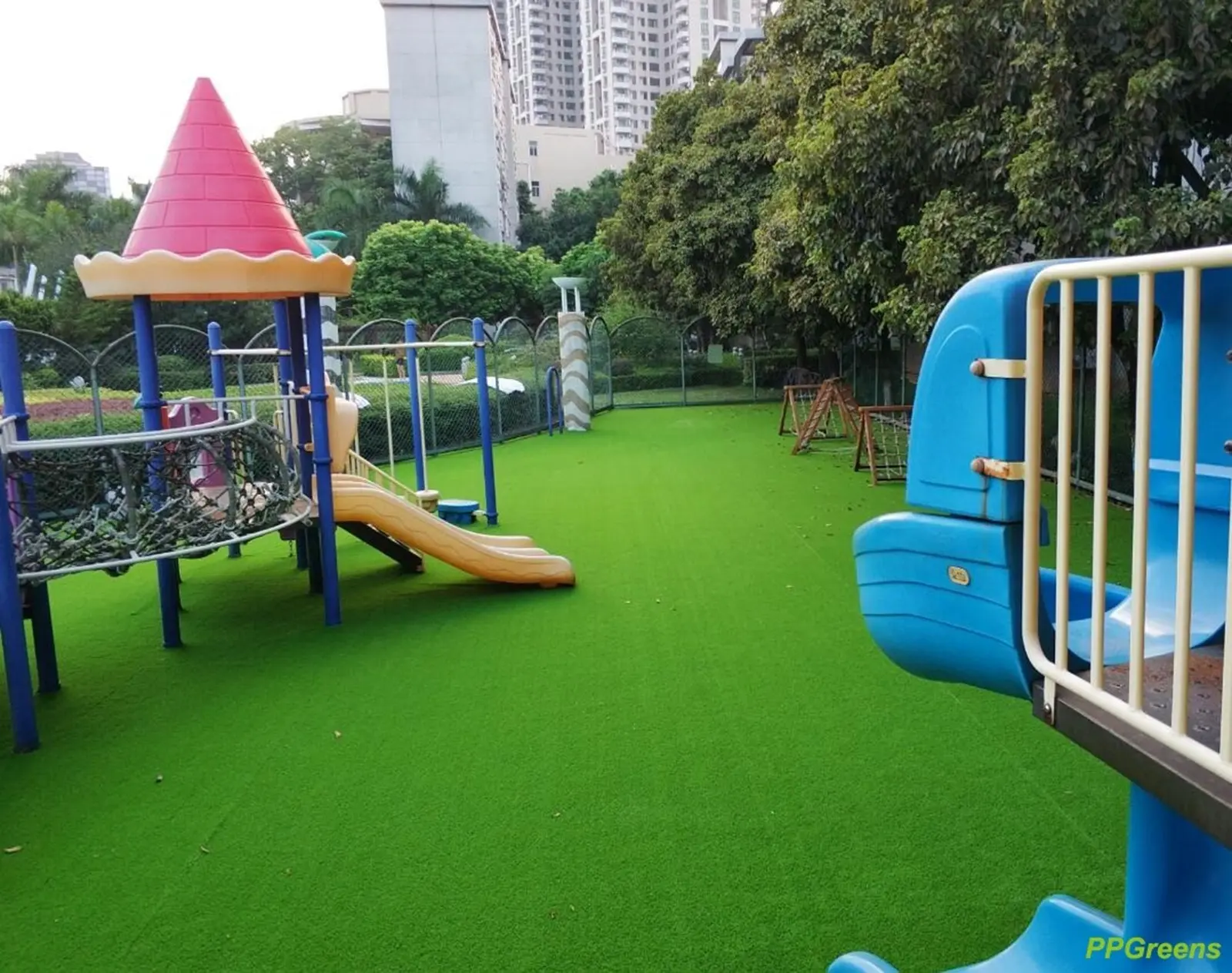
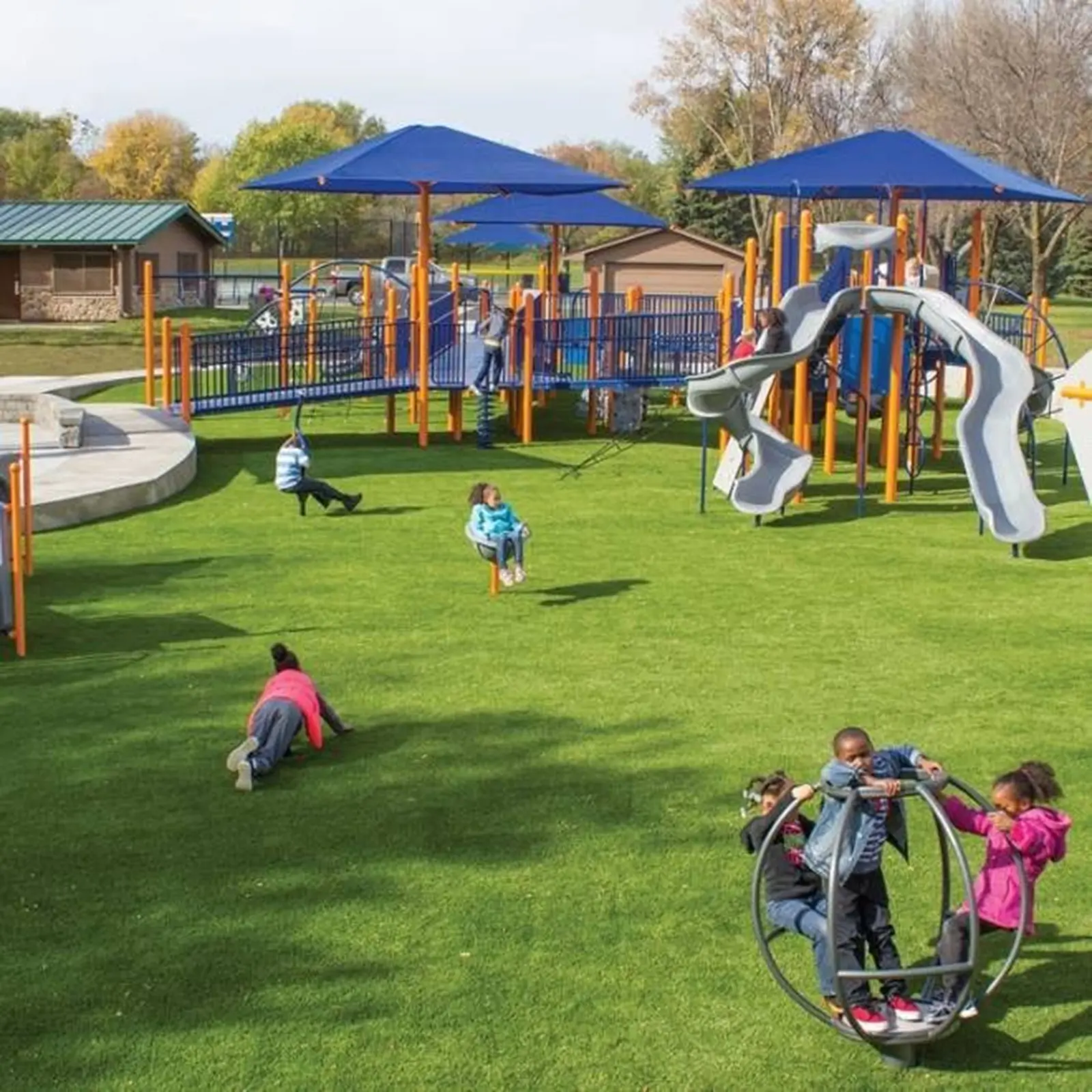
Artificial grass is widely applied in:Landscaping Design Firmspublic parksprivate villa gardensrooftop landscapesReal Estate Developersproperty exterior upgradesmodel home stagingcommunity amenitiesSchools & Sports Contractorsplaygroundsmulti-purpose sports fieldstraining zonesHotels, Malls & Public Sitesvisual landscapingdecorative leisure spacesoutdoor recreation areasEvent Plannersexhibition floorstemporary venuesbrand activation zones
Key Benefits for B2B Procurement
minimal maintenance costsstable year-round appearancereduced safety risks from uneven surfacesconsistent installation standardsscalable supply chain reliability
Conclusion
Artificial grass can be considered environmentally beneficial when assessed across its operational lifespan rather than only by material origin. By reducing water usage, lawn maintenance emissions, and chemical contamination, artificial turf systems deliver measurable sustainability advantages for commercial and public projects. With continuous recycling advancements, the environmental performance of artificial grass continues to improve.
FAQ
Q1: Does artificial grass save water?
Yes, it significantly reduces outdoor irrigation demand over its full lifecycle.
Q2: Can artificial turf be recycled after use?
Modern systems increasingly support fiber and backing recovery through recycling channels.
Q3: Are artificial grass materials safe for children?
High-quality PE fibers are non-toxic and compliant with global safety standards.
Q4: How long can artificial grass last outdoors?
Typically 5–10 years depending on wear levels and maintenance routines.