 +86 19005411400+86 15006803065


0102030405
Maximizing Crop Protection: How to Select the Right Shade Netting for Industrial Agriculture
2025-10-11
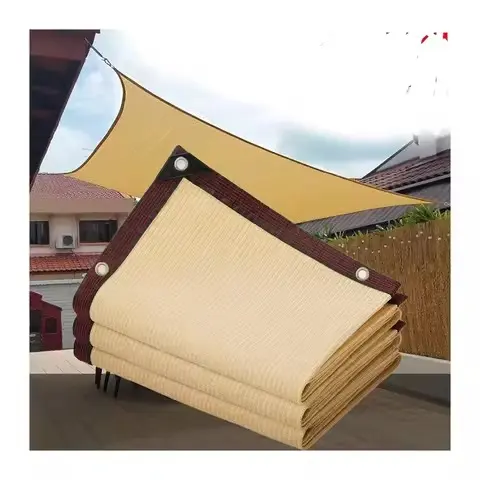
In modern agriculture and horticulture, protecting plants from excessive sunlight, heat, and environmental stress is crucial for maximizing yield and quality. Shade netting provides a reliable and cost-effective solution for growers, cooperatives, nurseries, and contractors looking to optimize plant growth, maintain operational efficiency, and reduce maintenance costs. Understanding the right type of shade netting for your specific needs is essential to achieve the best results.
Understanding Shade Net Specifications
Choosing an effective shade net starts with knowing its technical specifications:
Fabric Material:
Knitted polyethylene, HDPE, and polypropylene are commonly used.
UV stabilization ensures long-term performance and prevents degradation.
Shading Levels:
25–40% for young seedlings and delicate plants
50–60% for vegetables, fruits, and ornamental plants
70–90% for heat-sensitive or high-exposure areas
Durability Metrics:
Weight: 80–150 GSM for agricultural applications
Tensile strength: High enough to withstand wind and installation tension
UV Resistance: Maintains performance under prolonged sun exposure
Color Variations:
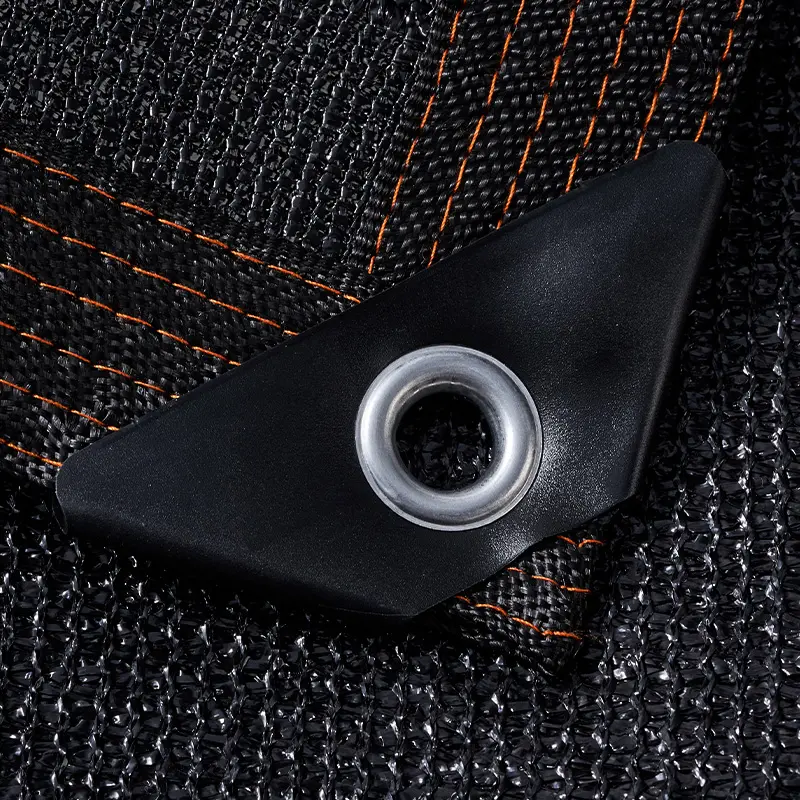
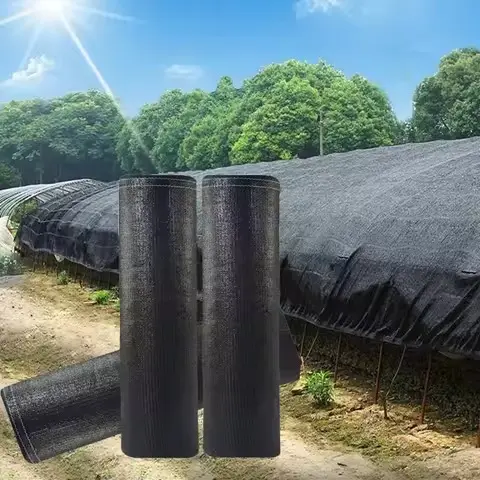
Black nets reduce sunlight penetration and enhance growth control
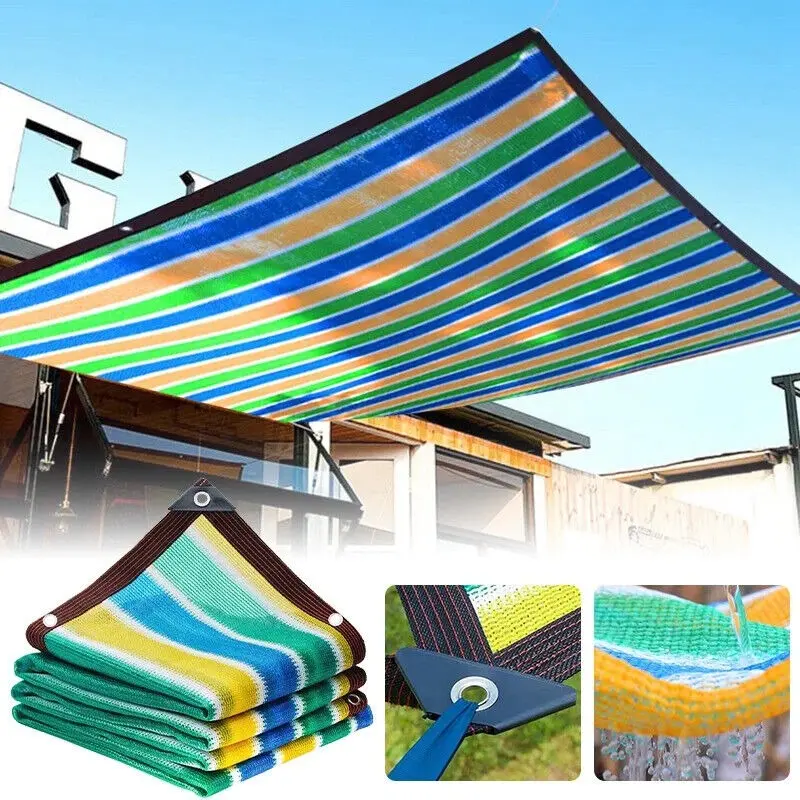
Green nets balance light filtration and temperature regulation
White nets reflect sunlight and keep environments cooler
Mesh Size & Airflow:
Proper mesh density allows adequate ventilation while providing shade protection, preventing overheating and fungal issues.
Industrial and Commercial Applications
Shade nets serve a wide range of industrial and commercial purposes:
Greenhouse Growers:
Protect crops from excessive light and heat
Maintain uniform temperature and humidity
Support consistent crop quality and faster growth
Agricultural Cooperatives:
Provide large-scale crop coverage efficiently
Reduce water loss and protect from UV stress
Support mechanized operations and community farming programs
Nurseries and Landscaping Firms:
Shield young trees, shrubs, and ornamental plants
Enhance survival rates during acclimatization
Offer aesthetic appeal for commercial landscape installations
Construction and Infrastructure Projects:
Act as dust and debris screens on building sites
Protect workers and materials from sun exposure
Serve as temporary shelters or scaffolding covers
Government and Public Agricultural Projects:
Protect crops from climate extremes in large-scale initiatives
Support sustainable agriculture programs
Minimize crop loss and enhance food security
Distributors of Horticultural Supplies:
Offer various shading options for different crops
Supply durable nets for industrial farms, nurseries, and commercial landscapes
Provide technical guidance and tailored solutions for end-users
Benefits of Professional Shade Netting
Implementing high-quality shade nets offers tangible advantages:
Optimized Light Management:
Regulates sunlight exposure for ideal plant growth.
Extended Product Life:
Durable and UV-stabilized materials reduce replacement frequency.
Energy and Water Efficiency:
Lowers irrigation needs by reducing evaporation.
Pest and Bird Deterrence:
Functions as a physical barrier against common pests.
Customizable Options:
Various colors, sizes, and shading levels meet specific crop requirements.
Cost Savings:
Reduces crop damage and operational costs over time.
Selecting the Ideal Shade Net
To ensure maximum benefits, consider the following factors:
Plant Type and Growth Stage:
Different crops and stages require specific shading levels.
Environmental Conditions:
UV intensity, temperature fluctuations, and rainfall patterns influence material selection.
Installation Area:
Open fields, greenhouses, and construction sites require varying tensile strengths.
Maintenance and Lifespan:
Long-lasting nets reduce the need for frequent replacement.
Supplier Expertise:
Partner with manufacturers who provide consistent quality, technical support, and customizable solutions.
Selecting the right shade netting is a critical decision for agricultural and horticultural operations. By understanding material types, shading levels, UV resistance, and application needs, businesses can improve plant growth, protect investments, and achieve sustainable productivity. Professional shade nets are more than just protective coverings—they are strategic tools for operational success and environmental resilience.
FAQ
- What is the most durable shade net material?
HDPE and UV-stabilized polypropylene are highly durable, tear-resistant, and ideal for long-term outdoor use.
- How do I know which shading percentage is suitable?
Choose based on crop sensitivity and sunlight exposure: 25–40% for seedlings, 50–60% for vegetables, 70–90% for sensitive crops.
- Can shade nets be reused year after year?
Yes, with UV protection and proper care, nets can last multiple seasons, often 3–8 years.
- Are shade nets applicable beyond agriculture?
Absolutely. They are widely used in landscaping, nurseries, and construction projects for sun, dust, and debris protection.