 +86 19005411400+86 15006803065


0102030405
Sunshade Net Material and Structure: The Foundation of Performance and Durability
2026-01-22
Sunshade Net Material and Structure: The Foundation of Performance and Durability
The performance, durability, and functionality of a sunshade net are ultimately determined by its material and structure. From the type of plastic used to the weaving pattern and edge reinforcement, every aspect of the material and structure contributes to the net’s ability to withstand environmental stressors, provide effective shading, and serve its intended purpose. In this article, we take an in-depth look at sunshade net materials, structural designs, and the benefits they offer for various applications.
Sunshade nets are primarily made from synthetic polymers, with polyethylene (PE) and polypropylene (PP) being the most common materials. Each material has unique properties that make it suitable for specific applications, and the choice between them depends on factors such as durability requirements, environmental conditions, and intended use.
High-density polyethylene (HDPE) is the gold standard for premium sunshade nets, and for good reason. HDPE is a strong, durable material with excellent tensile strength, abrasion resistance, and resistance to extreme temperatures. It can withstand temperatures ranging from -40 degrees Celsius to 80 degrees Celsius, making it suitable for use in a wide range of climates. HDPE is also water-resistant, mold-resistant, and resistant to chemical degradation from fertilizers, pesticides, and other agricultural chemicals—making it ideal for agricultural applications. One of the key advantages of HDPE is its ability to be infused with UV stabilizers during the extrusion process, which protects the material from the damaging effects of UV radiation. This ensures that the sunshade net retains its structural integrity and performance for years, even under intense sunlight. Our sunshade nets are made from 100% virgin HDPE, which offers superior quality compared to recycled HDPE, as it is free from impurities and has consistent mechanical properties.
Low-density polyethylene (LDPE) is a cheaper alternative to HDPE but offers lower durability. LDPE is more flexible and less rigid than HDPE, but it is prone to tearing, stretching, and degradation under UV exposure. They are often used for temporary shading needs, such as construction sites or short-term agricultural projects, where cost is the primary consideration.
Polypropylene (PP) is another material used for sunshade nets, known for its high tensile strength and resistance to chemical degradation. However, PP has poor UV resistance compared to HDPE, and it tends to become brittle and crack under prolonged sun exposure unless treated with UV stabilizers. PP sunshade nets are often used for indoor applications or in areas with low UV radiation, as they are less suitable for outdoor use in harsh climates. Additionally, PP has a lower melting point than HDPE, making it less resistant to high temperatures.
In addition to the base material, sunshade nets may include additives to enhance their performance. The most important additive is UV stabilizers, which are essential for outdoor use. UV stabilizers work by absorbing or reflecting UV radiation, preventing it from breaking down the molecular structure of the plastic. There are two main types of UV stabilizers used in sunshade nets: hindered amine light stabilizers (HALS) and ultraviolet absorbers (UVA). HALS are highly effective at preventing photooxidation, while UVA absorb UV radiation before it can damage the material. Our sunshade nets use a combination of HALS and UVA stabilizers to provide maximum UV protection, ensuring long-lasting durability.
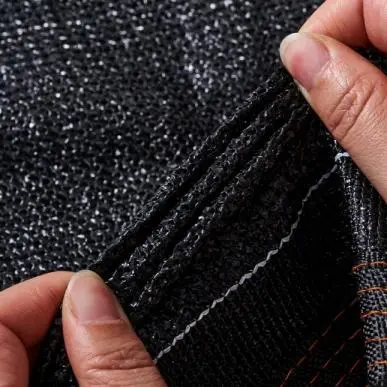
The structure of a sunshade net refers to its weaving pattern, thread thickness, mesh size, and edge reinforcement. These factors have a direct impact on the net’s shading rate, tensile strength, wind resistance, and overall durability.
Weaving pattern is one of the most important structural features of a sunshade net. The two main weaving patterns used are warp knitting and weft knitting, although most sunshade nets use a woven construction rather than knitting. Woven sunshade nets are made by interlacing two sets of threads—warp threads (vertical) and weft threads (horizontal)—in a specific pattern.
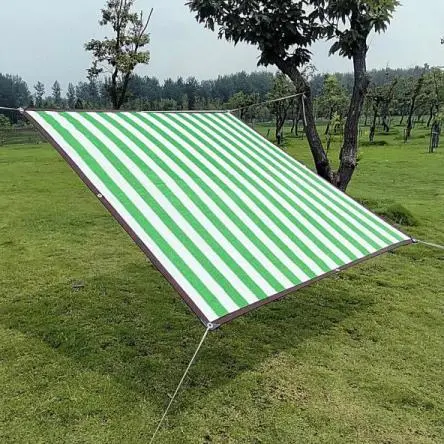
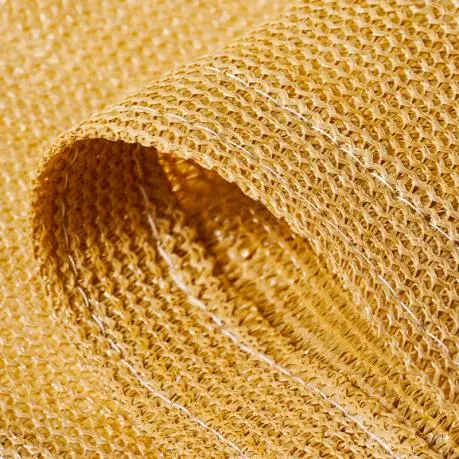
Our sunshade nets use a high-tensile plain weave pattern, which provides the perfect balance of strength, durability, and shading performance. The plain weave creates a uniform mesh that blocks sunlight evenly, while the high-tensile threads ensure that the net can withstand wind pressure, physical impact, and frequent handling.
Thread thickness, measured in denier or millimeter, is another important structural factor. Denier is a unit of measurement that indicates the weight of the thread, with higher denier values indicating thicker, stronger threads. Our sunshade nets use threads with a denier count of 1500-3000, depending on the application. Thicker threads are used for high-demand applications such as agricultural and commercial shading, where the net is exposed to more wear and tear. Thinner threads are used for residential applications, where aesthetics and lightness are also considerations.
Mesh size refers to the size of the openings in the net, which is directly related to the shade rate. Smaller mesh sizes result in higher shade rates, as they block more sunlight, while larger mesh sizes result in lower shade rates. Mesh size is typically measured in millimeters or inches, and it can vary from 1mm x 1mm for high-shade nets to 10mm x 10mm for low-shade nets. Our sunshade nets are available in a range of mesh sizes, from 2mm x 2mm to 8mm x 8mm, allowing us to offer shade rates from 30% to 95%.
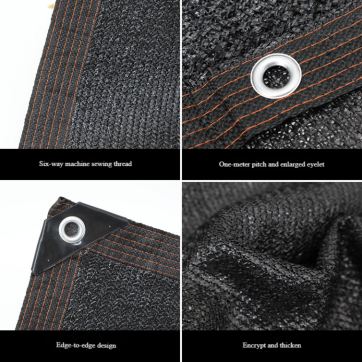
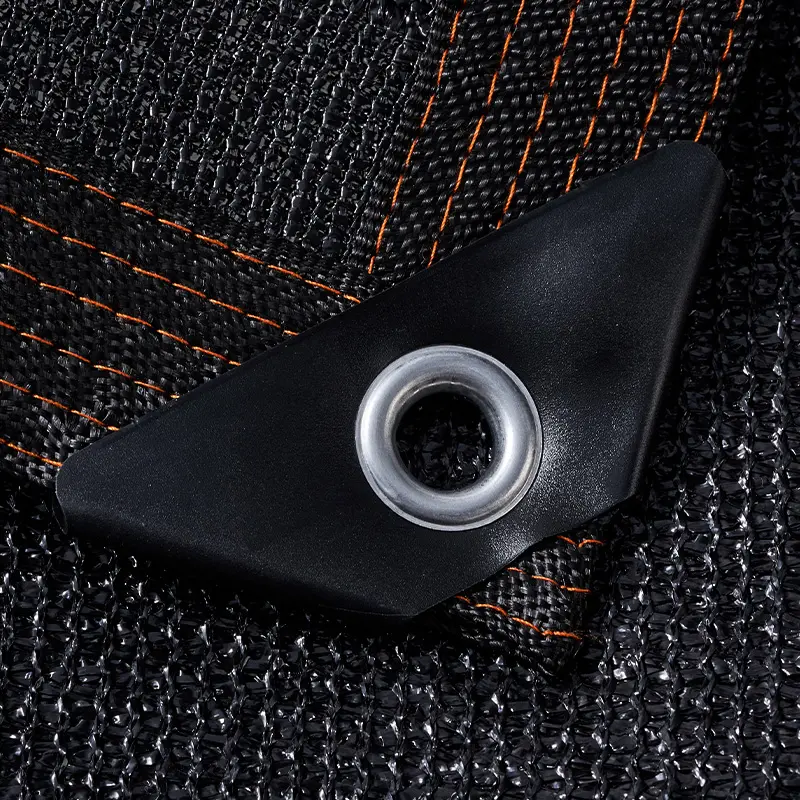
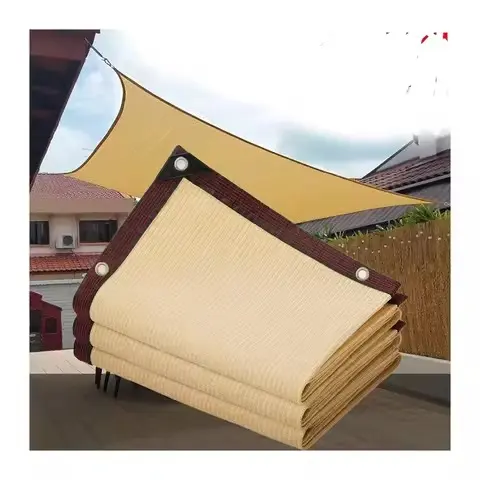
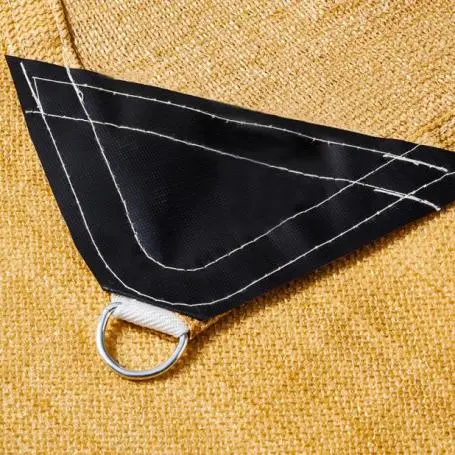
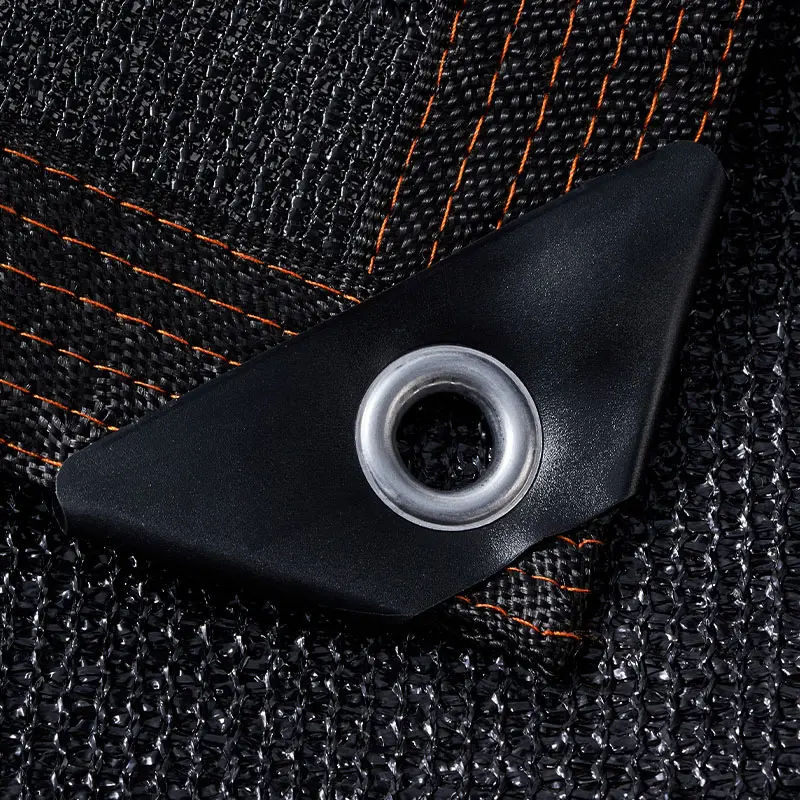
Edge reinforcement is a critical structural feature that is often overlooked but essential for durability. The edges of a sunshade net are the most vulnerable to tearing and fraying, especially at the attachment points. Our sunshade nets feature reinforced edges with double-stitched hems made from the same HDPE material as the net. The double stitching ensures that the edges are strong and resistant to unraveling, while the hems provide additional thickness and support. We also install brass grommets at regular intervals along the edges—typically every 50-100cm—for secure attachment. The brass grommets are rust-resistant and have a smooth interior, preventing them from damaging the net when attached to ropes, poles, or frames. This edge reinforcement design ensures that the net can be securely installed and withstands the tension of wind and other environmental forces.
Another structural consideration is the weight of the sunshade net, which is influenced by the material, thread thickness, and mesh size. Heavier nets are typically more durable and suitable for outdoor use in harsh conditions, while lighter nets are easier to install and handle, making them ideal for temporary or residential applications. Our sunshade nets have a weight range of 80-200 grams per square meter, with heavier weights used for high-performance applications.
Let’s explore how material and structure impact performance in different applications:
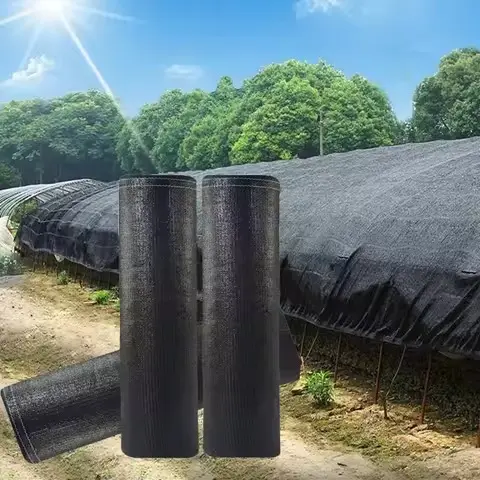
Agricultural applications: Agricultural sunshade nets require high durability, UV resistance, and resistance to chemicals. Our HDPE sunshade nets with high-tensile plain weave, thick threads, and reinforced edges are ideal for this purpose.
Residential applications: Residential sunshade nets prioritize aesthetics, lightness, and ease of installation. Our HDPE nets with medium thread thickness and a range of colors and mesh sizes offer the perfect balance of performance and visual appeal. They are easy to install on patios, decks, and gardens, providing comfortable shading without being too heavy or bulky.
Commercial applications: Commercial sunshade nets require high strength, durability, and professional appearance. Our heavy-duty HDPE nets with thick threads, reinforced edges, and neutral colors are suitable for commercial buildings, carports, and public spaces. They can withstand high traffic, wind pressure, and prolonged use, providing long-lasting performance.
Temporary applications: For temporary shading needs, such as construction sites or events, lightweight HDPE or LDPE nets may be suitable. These nets are cost-effective and easy to install and remove, although they have a shorter lifespan than premium HDPE nets.
In conclusion, the material and structure of a sunshade net are the foundation of its performance and durability. By choosing a sunshade net made from high-quality HDPE with UV stabilizers, a high-tensile plain weave pattern, thick threads, and reinforced edges, you can ensure that it provides reliable shading, withstands environmental stressors, and serves its intended purpose for years. Our sunshade nets are designed with meticulous attention to material quality and structural integrity, offering a range of options to meet the needs of agricultural, residential, and commercial applications. Whether you are protecting crops, creating a comfortable outdoor space, or enhancing the functionality of a commercial building, our sunshade nets deliver superior performance and durability.
-------------------------------------------------------------------
Frequently Asked Questions(FAQ)
Q1:Could you provide samples?
Sure, we can offer free samples for small items. All you need to pay for is the shipping cost.
Q2:Could you offer me the most favorable price based on the quantity of our order?
Sure. We are a leading manufacturer. Generally, we provide customers with the most favorable factory prices of our products.
Q3:How long will the delivery take?
Generally, it will be dispatched within 3 days after you pay the full amount.
Q4:What is the minimum order quantity (MOQ)?
20 - 50 pieces/colour/size; special colour - 1 ton minimum;
Fulfillment in stock is available starting from 2 pieces.