 +86 19005411400+86 15006803065


0102030405
The Role of Color in Sunshade Nets: Aesthetic, Functional, and Practical Considerations
2026-01-22
The Role of Color in Sunshade Nets: Aesthetic, Functional, and Practical Considerations
When selecting a sunshade net, color is often overlooked in favor of more technical specifications such as shade rate and material. However, the color of a sunshade net plays a crucial role in both its functionality and aesthetics, influencing factors such as heat absorption, light diffusion, durability, and visual appeal. Whether used for agricultural, residential, or commercial purposes, choosing the right color can enhance the performance of the sunshade net, complement the surrounding environment, and meet specific functional needs. In this article, we explore the various aspects of sunshade net color, including how different colors affect performance, the best color choices for different applications, and the quality considerations that ensure color retention over time.
First, it is important to understand how color impacts the basic functionality of a sunshade net. The color of a material determines how it interacts with sunlight—whether it absorbs, reflects, or transmits light and heat. Darker colors, such as black, green, and brown, absorb more sunlight and heat, while lighter colors, such as white, beige, and light gray, reflect more sunlight and heat. This fundamental property has significant implications for the performance of the sunshade net in different environments and applications.
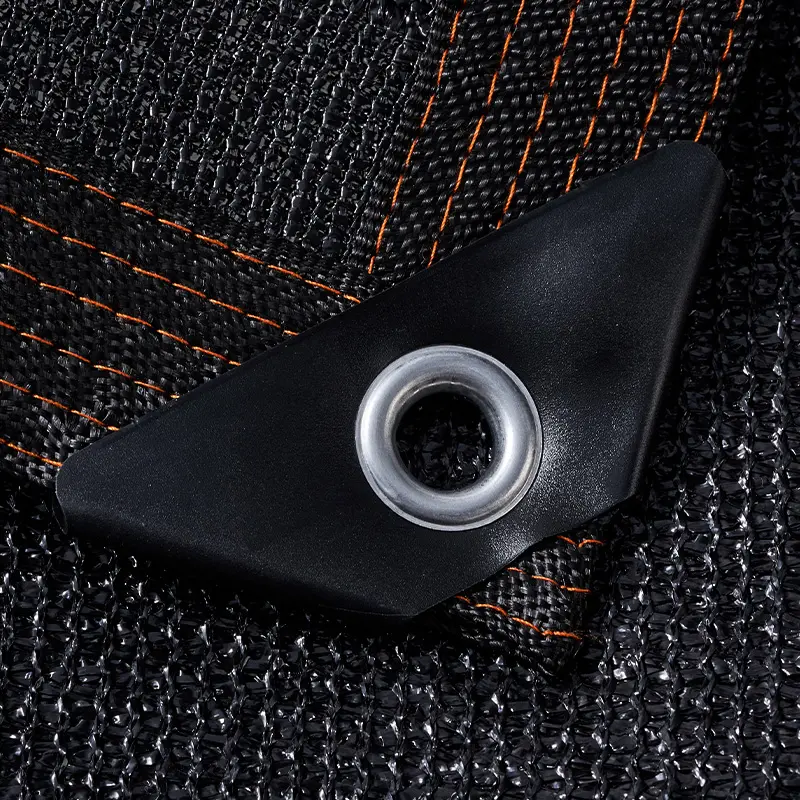
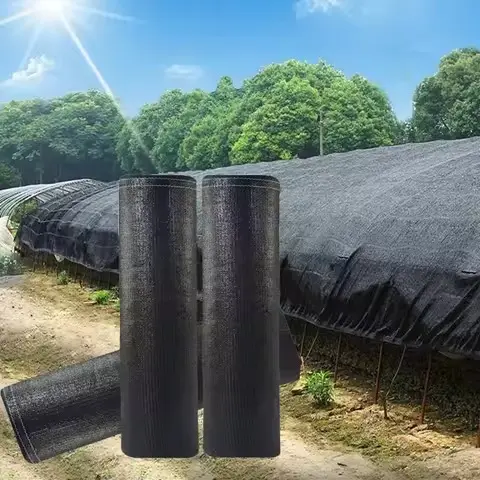
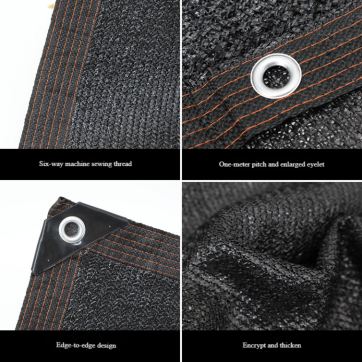
Black is the most common and popular color for sunshade nets, and for good reason. Black sunshade nets absorb a high percentage of sunlight, providing excellent shading and heat reduction. They are highly effective at blocking UV radiation, which is crucial for protecting plants, animals, and people from sun damage. Black nets also offer superior light diffusion, creating a soft, uniform lighting environment beneath the net. This is particularly beneficial for agricultural applications, as it prevents harsh shadows that can inhibit plant growth and cause sunscald on delicate leaves. Additionally, black is a neutral color that blends well with most environments, making it suitable for both residential and commercial use. Our black sunshade nets are crafted from high-density polyethylene (HDPE) with UV stabilizers, ensuring that the color retains its depth and does not fade over time, even under intense sunlight.
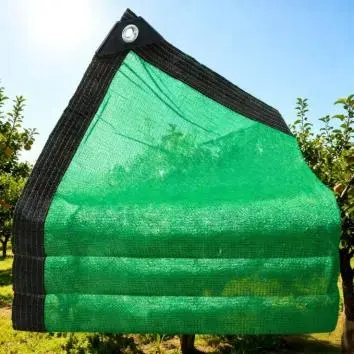
Green is another popular color for sunshade nets, especially in agricultural and horticultural settings. Green nets offer similar shading performance to black nets but with a more natural, discreet appearance. They blend seamlessly with plants and foliage, making them ideal for greenhouses, nurseries, and gardens where visual integration with the surrounding environment is desired. Green sunshade nets also absorb a significant amount of sunlight, providing effective heat reduction and UV protection. Additionally, some studies suggest that green light is less stressful for plants, as it is not as intense as other wavelengths. This can be beneficial for sensitive plants and seedlings, promoting healthier growth. Our green sunshade nets are available in a range of shades, from deep forest green to light sage, allowing customers to choose the perfect color to complement their plants and environment.
White sunshade nets are a preferred choice for applications where heat reflection is a top priority. White reflects the majority of sunlight and heat, keeping the area beneath the net cooler than darker colors. This makes white nets ideal for use in hot, arid climates, where reducing heat buildup is crucial. White nets are also commonly used in greenhouses during the summer months, as they help regulate internal temperatures without blocking too much light. They are also popular for residential and commercial spaces such as patios, decks, and pergolas, where a bright, airy shaded area is desired. However, it is important to note that white sunshade nets typically have a lower shade rate than black or green nets of the same mesh density, as they transmit more light. For this reason, white nets are often used in applications where partial shading is sufficient, or in combination with other cooling systems. Our white sunshade nets are made from UV-resistant HDPE, ensuring that they do not yellow or degrade over time, maintaining their reflective properties and visual appeal.
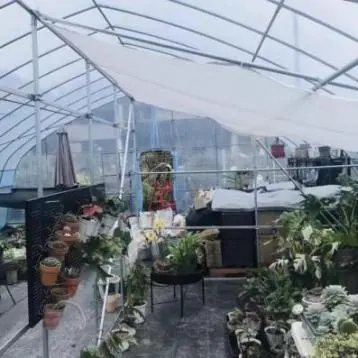
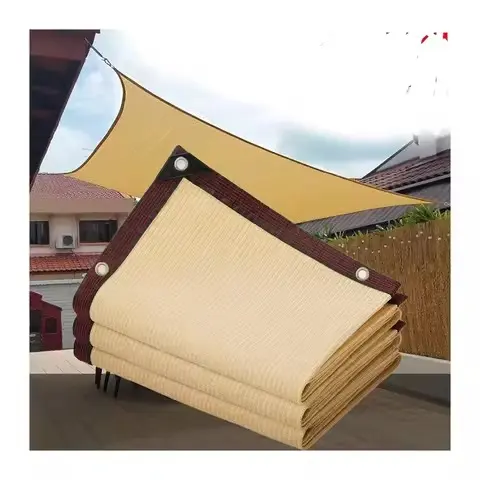
Beige and light gray sunshade nets offer a balance between the heat absorption of darker colors and the heat reflection of white. These neutral tones are versatile and complement a wide range of architectural styles and outdoor environments, making them popular for residential and commercial applications. Beige and light gray nets provide moderate shading and heat reduction, creating a comfortable environment without being too dark. They are also less likely to show dirt and debris than white nets, making them a low-maintenance option for outdoor use. Our beige and light gray sunshade nets are available in various shade rates, allowing customers to balance functionality and aesthetics.
In addition to the standard colors mentioned above, some sunshade nets are available in custom colors to meet specific design or branding needs. For commercial projects, custom-colored sunshade nets can be used to match a company’s brand colors, creating a cohesive visual identity. For residential projects, custom colors can be used to complement the exterior of a home or garden design. Our company offers custom color options for bulk orders, ensuring that customers can get the perfect sunshade net to meet their unique requirements.
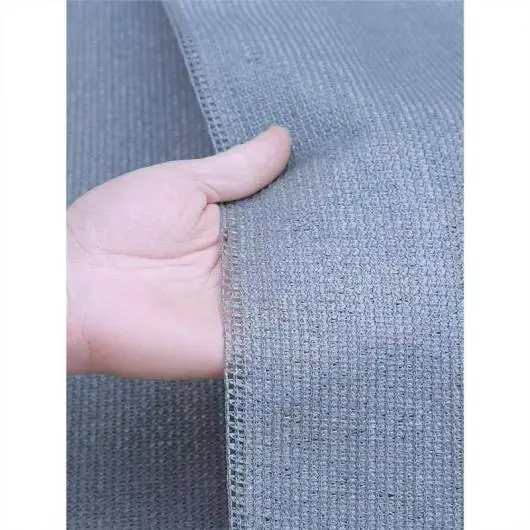
Color retention is another important consideration when selecting a sunshade net. Over time, exposure to sunlight, rain, and other environmental factors can cause colors to fade, dull, or change. This not only affects the visual appeal of the net but can also indicate degradation of the material, reducing its durability and performance. Low-quality sunshade nets often use cheap dyes that fade quickly, leaving the net looking worn and ineffective. Our sunshade nets use high-quality, UV-stable dyes that are integrated into the material during the manufacturing process, rather than applied as a surface coating. This ensures that the color remains vibrant and true for years, even under intense sunlight and harsh environmental conditions. We also conduct rigorous colorfastness tests to ensure that our sunshade nets meet international standards for color retention.
The choice of color also depends on the specific application. Let’s explore the best color choices for different uses:
Agricultural applications: Black and green are the most suitable colors for agricultural sunshade nets. Black provides excellent shading and UV protection, making it ideal for most crops, including vegetables, fruits, and ornamental plants. Green blends with foliage and is beneficial for sensitive plants, as it provides a more natural lighting environment. White can be used in greenhouses to reflect heat and maintain cooler temperatures, but it is less common for field crops due to its lower shade rate.
Residential applications: For patios, decks, and gardens, the choice of color depends on personal preference and the surrounding environment. Black and green are versatile options that blend with nature, while beige and light gray complement modern architectural styles. White is a good choice for creating a bright, airy space, but it may require more frequent cleaning to maintain its appearance.
Commercial applications: For commercial buildings, carports, and public spaces, neutral colors such as black, beige, and light gray are preferred for their professional appearance. Custom colors can be used to match branding, creating a cohesive look for businesses. High-traffic areas may benefit from darker colors, as they are less likely to show dirt and stains.
Livestock applications: Black and green are suitable for livestock shelters, as they provide effective shading and heat reduction. The dark colors help keep the shelter cool during hot weather, improving the comfort and health of animals. Additionally, the neutral colors are less likely to attract insects than lighter colors.
Another factor to consider is the impact of color on light quality. Different colors transmit different wavelengths of light, which can affect plant growth. For example, black nets block a wide range of wavelengths, providing uniform shading, while green nets transmit more green light, which is less photosynthetically active but can be beneficial for plant development. White nets transmit more blue and red light, which are essential for photosynthesis, making them suitable for plants that require high light levels.
It is also important to note that the color of the sunshade net does not significantly affect its durability, provided that the net is made from high-quality materials with UV stabilizers. The primary factors influencing durability are material quality, manufacturing processes, and maintenance, not color. However, low-quality dyes can contribute to material degradation, so it is essential to choose a sunshade net with high-quality, UV-stable colors.
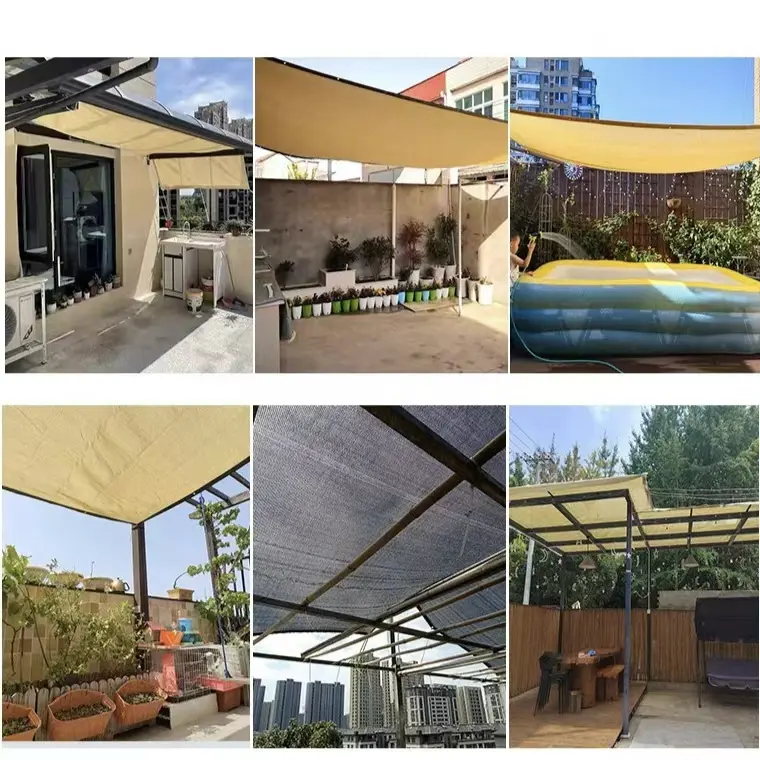
In conclusion, the color of a sunshade net is a key consideration that impacts both functionality and aesthetics. By understanding how different colors interact with sunlight and heat, and considering the specific application, environment, and personal preferences, you can choose the perfect color for your sunshade net. Our range of sunshade nets offers a variety of colors, from classic black and green to neutral beige and white, as well as custom color options for bulk orders. All our sunshade nets use high-quality, UV-stable dyes to ensure long-lasting color retention, providing both performance and visual appeal for years to come.
Frequently Asked Questions(FAQ)
Q1:Can the sunshade net prevent rain?
Answer: No. It has an open structure and is specifically designed to block sunlight and cool down. Rainwater can penetrate through it.
Q2:Can it be used in a greenhouse?
Answer: Absolutely. The top of the greenhouse is covered with shading net, which can further lower the temperature by 3-5 degrees Celsius. The inner layer of aluminum foil reflective net in the greenhouse can also convert direct sunlight into diffused light, reducing the damage to crops. It is important to leave a ventilation opening at the top to prevent "stagnant greenhouse" conditions.
Q3:Could you offer me the most favorable price based on the quantity of our order?
Sure. We are a leading manufacturer. Generally, we provide customers with the most favorable factory prices of our products.
Q4:What is the production time?
Regular production time: 7 - 14 days