 +86 19005411400+86 15006803065


0102030405
What is the Best Shade Netting? Choosing the Right Protection for Every Agricultural Need
2025-10-10
In today’s agriculture and landscaping industries, ensuring optimal protection from excessive sunlight, harsh weather, and environmental stress is crucial. Shade netting has emerged as an essential solution, offering growers, contractors, and distributors a versatile tool to safeguard plants, enhance productivity, and maintain sustainability. Understanding what makes shade netting “the best” depends on material quality, application suitability, and performance in different operational contexts.
Key Parameters of High-Quality Shade Netting
Selecting the right shade net starts with understanding the core specifications that define its performance. Key parameters include:
Material Composition:
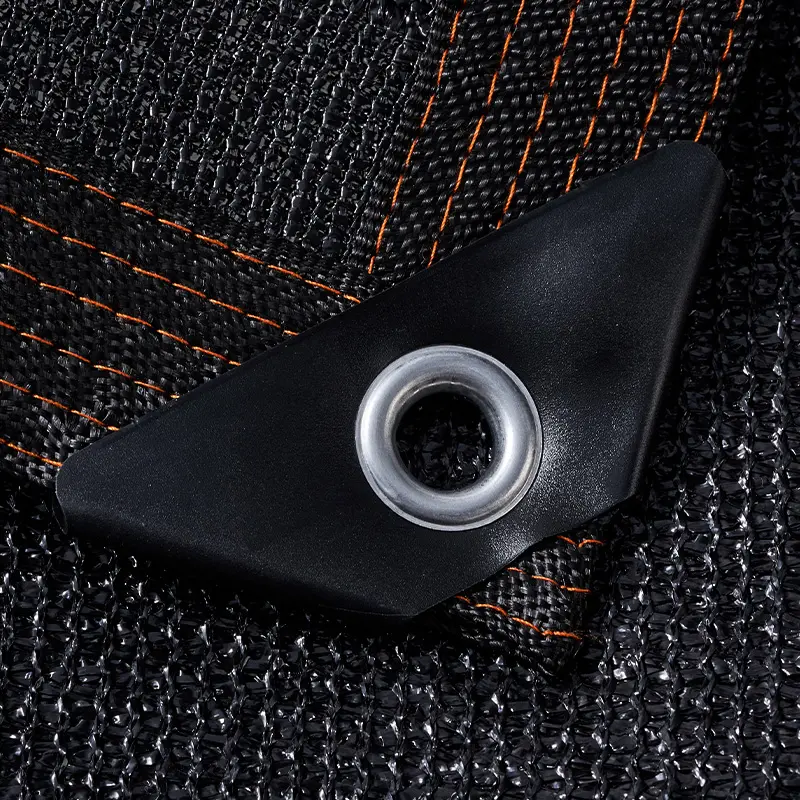
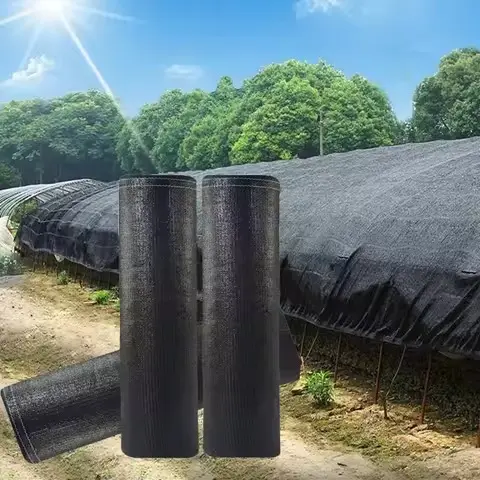
Most premium shade nets are made from high-density polyethylene (HDPE), UV-stabilized polypropylene, or knitted polyethylene. These materials ensure durability, resistance to tearing, and longevity under prolonged sunlight exposure.
Shade Factor (Shading Percentage):
The shading percentage determines how much sunlight is filtered. Typical ranges include:
30–50% for young plants or delicate seedlings
50–70% for vegetables, flowers, and horticultural crops
70–90% for high-temperature protection or sensitive plant varieties
UV Stabilization:
UV-resistant coatings prevent the net from degrading under continuous sun exposure, extending its service life to 3–8 years depending on usage and climate conditions.
Color Options:
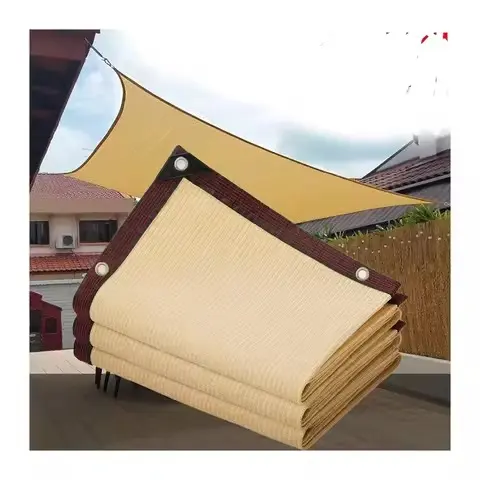
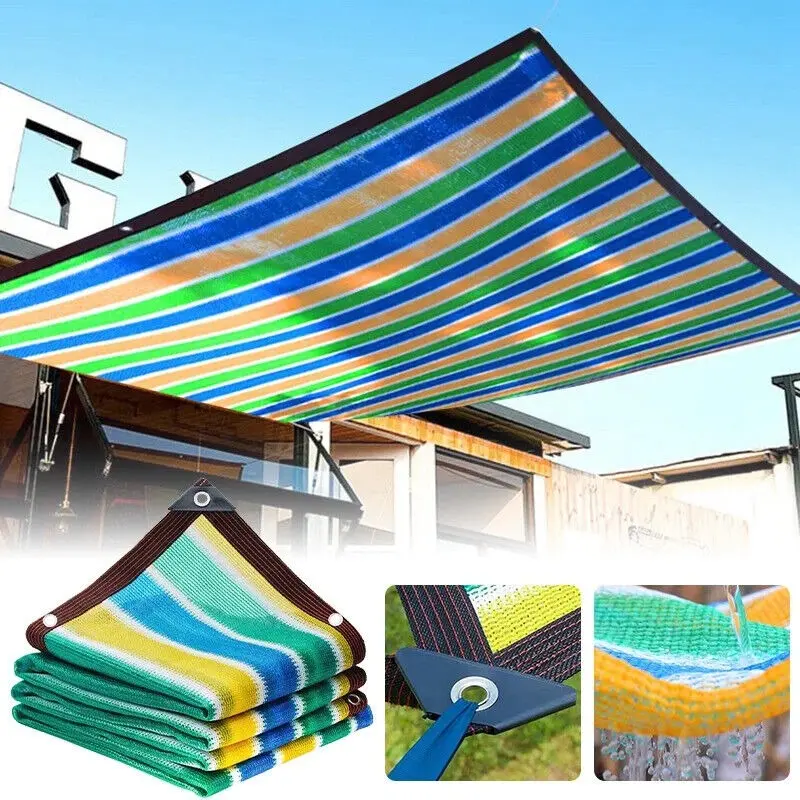
Black, green, and white are common, each providing specific light diffusion and temperature control. For instance, black nets absorb heat slightly, while white nets reflect light, keeping the environment cooler.
Size and Mesh Density:
Shade nets are available in widths from 2m to 12m and customizable lengths. Mesh density affects airflow, with tighter meshes offering better shade but reduced ventilation.
Tensile Strength and Weight:
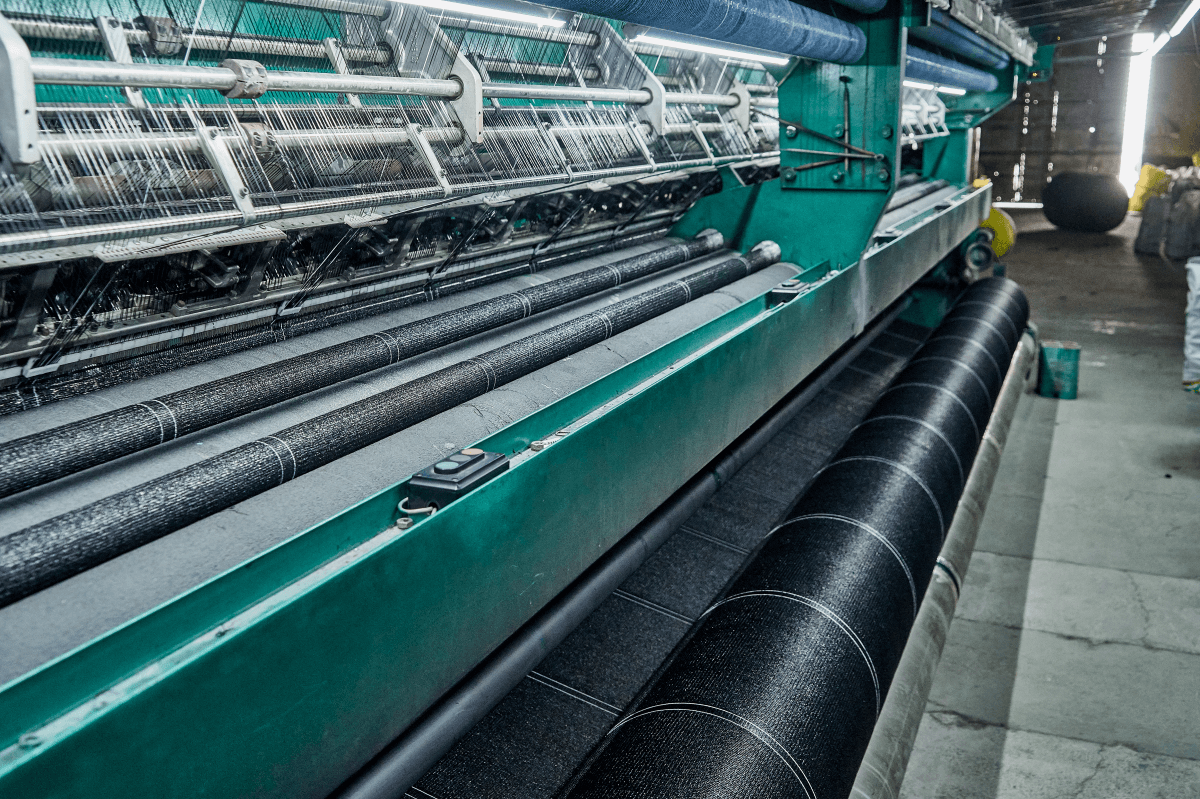
A strong net resists tearing during installation and extreme weather. Typically, nets are measured in grams per square meter (GSM), with 80–150 GSM being standard for agricultural applications.
Application Scenarios Across Industries
Shade netting is versatile and finds practical use across multiple sectors. Here’s how it is applied:
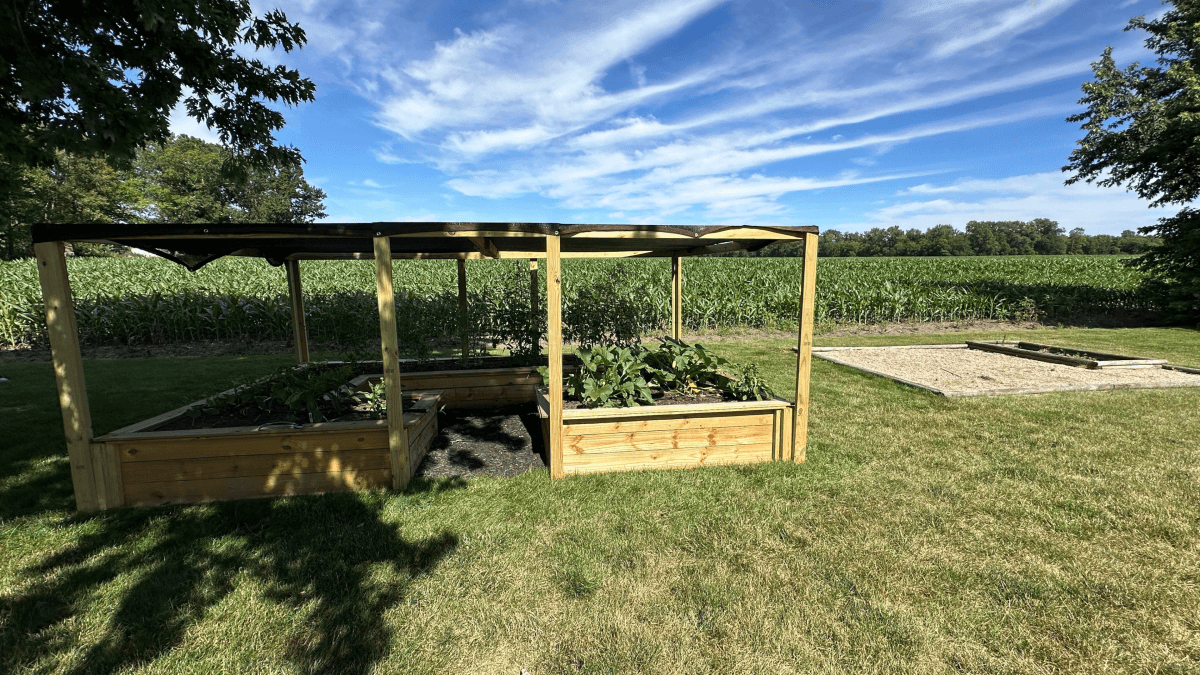
Greenhouse Cultivation:
Controls sunlight penetration to prevent heat stress
Ensures uniform growth of vegetables, flowers, and seedlings
Reduces water consumption by minimizing evaporation
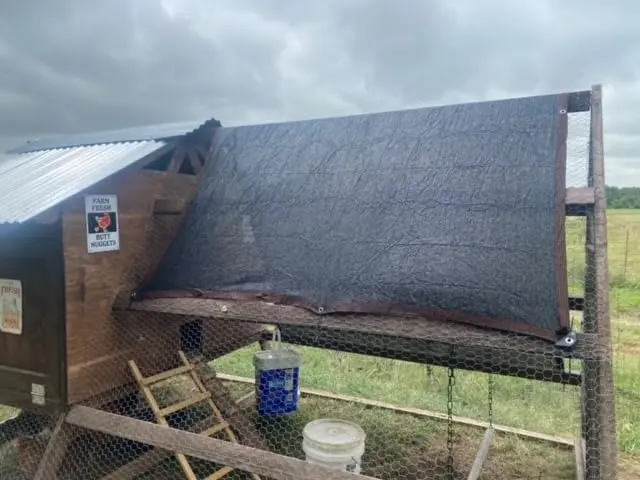
Agricultural Cooperatives:
Protects crops in community farms from excessive sun and wind
Helps maintain consistent quality across large fields
Facilitates mechanized operations under protective cover
Nurseries and Landscaping Companies:
Provides temporary or permanent shade for saplings and ornamental plants
Improves plant survival rates during transportation or acclimatization
Enhances aesthetics in commercial gardens and landscapes
Construction and Infrastructure Contractors:
Used as protective screens for scaffolding or temporary shelters
Prevents debris and dust from affecting surrounding areas
Offers UV protection for workers and construction materials
Government Agricultural Projects:
Ensures large-scale crop protection and yield optimization
Reduces crop losses during extreme weather events
Supports climate-resilient farming initiatives
Distributors of Horticultural Supplies:
Stocks shade nets suitable for various customer needs
Offers customizable solutions for commercial growers
Provides an essential component for end-to-end agricultural supply chains
Advantages of Using Professional Shade Netting
High-quality shade nets provide tangible benefits for businesses and growers alike:
Temperature and Light Regulation:
Protects plants from overheating while maintaining optimal light levels.
Durability and Longevity:
Resistant to UV rays, wind, and rain, reducing replacement costs.
Water Conservation:
Minimizes evaporation and enhances irrigation efficiency.
Pest and Bird Protection:
Acts as a physical barrier against pests, birds, and other environmental threats.
Customizable Solutions:
Can be tailored in terms of color, shading percentage, and size to suit specific crops or projects.
Cost-Effectiveness:
Reduces crop losses and maintenance costs, offering a long-term return on investment.
Choosing the Right Shade Net for Your Operation
To determine the best shade netting, businesses should consider:
Crop Type:
Evaluate whether crops require partial or full shading.
Climate Conditions:
High UV exposure areas need enhanced UV stabilization.
Installation Environment:
Indoor greenhouses, open fields, and construction sites require different tensile strengths and mesh types.
Budget and Lifespan:
Investing in durable materials may cost more upfront but saves money over time.
Supplier Reliability:
Work with manufacturers or distributors offering consistent quality, technical support, and custom solutions.
Selecting the best shade netting is a strategic decision for growers, cooperatives, nurseries, contractors, and distributors alike. By focusing on material quality, shading percentage, UV resistance, and application suitability, businesses can ensure better crop yields, improved plant health, and long-term operational efficiency. Shade nets are more than just protective covers—they are an investment in sustainability, productivity, and resilience.
FAQ
- What is the best material for shade nets?
High-density polyethylene (HDPE) and UV-stabilized polypropylene are considered the most durable materials, offering resistance to tearing and prolonged sunlight exposure.
- How do I choose the right shading percentage?
Select based on crop type and environmental conditions: 30–50% for seedlings, 50–70% for vegetables and flowers, and 70–90% for sensitive or heat-exposed crops.
- Can shade nets be reused for multiple seasons?
Yes. With proper maintenance and UV stabilization, shade nets can last 3–8 years depending on climate and usage.
- Are shade nets suitable for construction applications?
Absolutely. Shade nets are used as protective screens for scaffolding, dust control, and UV protection on construction sites.