Iquiry Now
Leave Your Message

2026 Top Residential Artificial Grass Types for Global Buyers

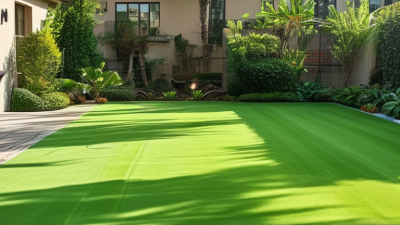
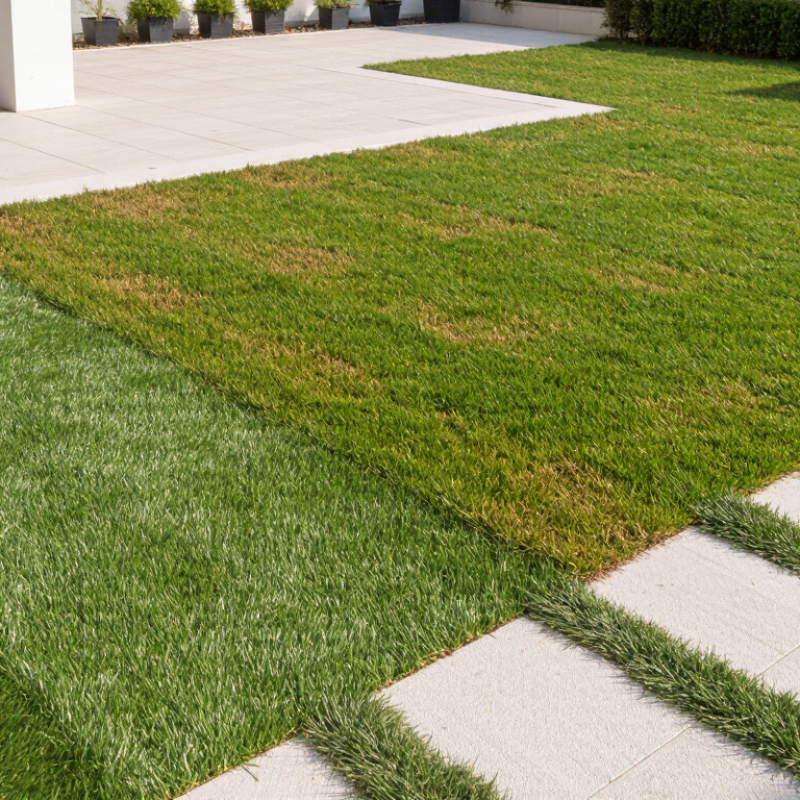
Residential Artificial Grass is moving beyond simple lawn replacement. Global buyers now compare blade structure, drainage, UV stability, infill safety, and installation quality. The visual difference can be seen beside a patio: poor turf looks flat and shiny, while better products show varied blade tones and a softer, more natural surface.

Grand View Research estimated the global artificial turf market at approximately USD 4.26 billion in 2023. Its report also projects continued growth through 2030, driven by water conservation, urban housing, and reduced lawn maintenance. Research and Markets identifies residential landscaping as an important application area, especially where drought restrictions affect traditional grass. These figures offer useful direction, but they do not guarantee product quality. Market growth can hide inconsistent testing and exaggerated marketing claims.

Joe Murphy, an artificial grass product specialist, explains, “The best artificial grass must balance natural appearance, durability, drainage, and everyday comfort.” That balance matters for families, pets, balconies, and compact gardens. A dense 35–40 millimetre pile may look luxurious, yet it can require stronger drainage preparation. Shorter turf may suit busy walkways better. There is no universal winner.

This guide examines the 2026 Top Residential Artificial Grass Types for Global Buyers. It considers climate, installation systems, fibre technology, maintenance, warranties, and lifecycle value. Buyers should request technical datasheets, UV-resistance evidence, drainage specifications, and independent safety documentation. Product claims deserve careful questioning. Even attractive turf can fail when the sub-base is poorly compacted. The grass is only one part of the system.
2026 Top Residential Artificial Grass Types for Global Buyers

What Is Residential Artificial Grass and Why Is It Popular Worldwide?

Residential artificial grass is a manufactured lawn surface designed for homes, balconies, roof terraces, and small courtyards. It usually combines polyethylene or polypropylene blades with a flexible backing and drainage holes. The fibers imitate grass, but their texture, color, and resilience vary widely. A properly prepared base matters as much as the visible turf.

Homeowners worldwide choose it where natural grass struggles with drought, shade, heavy foot traffic, or poor soil. In hot regions, UV-stabilized fibers help reduce fading. In rainy climates, a permeable base and clear drainage path prevent standing water. Families also value predictable appearance, fewer mowing tasks, and cleaner play areas after light rain. This convenience explains its popularity in dense cities and seasonal homes.

Good residential selection requires more than choosing the softest sample. A medium pile can balance comfort, recovery, and easier cleaning. Shorter fibers may suit pets and busy walkways, while dense, taller turf can look more natural. Installation should include compacted aggregate, suitable edging, and regular brushing to lift flattened blades. It is not maintenance-free. Dust, leaves, and occasional odors still need attention. Some surfaces become hot under intense sun, and poor drainage can create problems. Buyers should compare climate data, warranty terms, material safety information, and installer experience before ordering. The attractive lawn is only part of the decision.
Key Types of Residential Artificial Grass for Different Home Settings

For global buyers, residential artificial grass should match the home setting, not only the advertised pile height. Grand View Research valued the global artificial turf market at approximately USD 4.67 billion in 2023, with projected growth of about 6.5% annually through 2030. This expansion reflects wider residential use, especially where water restrictions or difficult soil affect natural lawns.

Polyethylene grass suits front yards and family gardens because it feels softer and looks more natural. Choose a moderate pile height, around 30–40 millimeters, for easier brushing and drainage. Polypropylene works better on balconies, patios, and decorative borders. It is generally more economical, but prolonged heat may flatten it. Nylon offers stronger recovery under frequent foot traffic, though it usually costs more and can feel firmer.

Pet areas need a shorter, dense surface with a perforated backing and a well-designed drainage base. Odor control depends heavily on the sub-base, not just the grass fiber. For children’s play spaces, impact-absorbing underlay and secure edging deserve attention. ASTM testing guidance can help buyers compare drainage, traction, and surface performance, but local installation quality still decides much of the result. A common mistake is choosing the thickest product available. It may look luxurious, yet it can retain debris and require more maintenance. Real homes are messier than product samples.

2026 Top Residential Artificial Grass Types for Global Buyers

Key types of residential artificial grass for different home settings

The chart shows common residential pile-height ranges used for different home settings. Shorter grass is generally easier to maintain on balconies, terraces and rooftops, while medium-pile systems provide a softer appearance for family gardens, pet zones and play areas. Actual specifications should be selected according to drainage, foot traffic, climate and installation requirements.

How to Compare Pile Height, Density, Color, and Material Quality

For 2026 residential projects, buyers should compare specifications, not showroom brightness. Grand View Research valued the global artificial turf market at about USD 4.7 billion in 2023 and forecasts strong growth through 2030. That expansion creates more inconsistent products. Pile height around 30–40 millimetres usually balances softness, drainage, and recovery after foot traffic. Taller blades look luxurious but may flatten under garden furniture. Shorter piles suit balconies and narrow paths. Ask for stitch rate and face weight, not density alone.

Color needs daylight testing. A convincing lawn often blends two or three green tones with restrained brown thatch. Excessive shine can expose plastic fibers within seconds. ASTM and ISO weathering methods, including ISO 4892-3, help evaluate color stability under ultraviolet exposure. Request test results rather than relying on phrases such as “UV resistant.” In my experience, sample squares can look excellent indoors and disappoint beside a south-facing window. That weakness matters.

Material quality also depends on fiber shape, backing, seams, and drainage holes. Polyethylene generally provides a softer residential feel, while polypropylene can support lower-cost applications; nylon is resilient but often less forgiving financially. The Freedonia Group’s artificial turf analysis identifies landscaping as a major demand segment, yet market reports use different definitions and produce different totals. Treat forecasts carefully. Compare yarn thickness, backing permeability, warranty limits, and independent laboratory data. A dense surface is not automatically durable. Sometimes, less is better.

2026 Top Residential Artificial Grass Types for Global Buyers - How to Compare Pile Height, Density, Color, and Material Quality

Residential Grass Type Typical Pile Height Typical Face Weight / Density Recommended Yarn Material Typical Color Profile Best Residential Application Key Quality Checks
Short Utility Lawn 20–30 mm Approximately 800–1,500 g/m² face weight; moderate stitch density PE monofilament or PE slit film; PP may be used in economical products One to three green tones with limited thatch Balconies, compact yards, rental properties, low-traffic decorative areas Check UV stabilization, backing integrity, seam appearance, and drainage holes
Balanced Family Lawn 30–40 mm Approximately 1,200–2,000 g/m² face weight; medium-to-high density PE monofilament with textured or curled thatch fibers Three to four green shades with brown or beige thatch General family gardens, patios, children’s play areas, and pet-free lawns Compare total weight, stitch rate, fiber recovery, backing coating, and drainage speed
Premium Landscape Lawn 40–50 mm Approximately 1,600–2,500 g/m² face weight; high density PE monofilament, often combined with curly PE thatch Four or more blended green tones with natural-looking thatch Front gardens, terraces, large residential lawns, and visual landscaping Assess blade shape, shine level, color variation, crush resistance, and warranty terms
Soft Comfort Lawn 35–45 mm Approximately 1,500–2,300 g/m² face weight; medium-to-high density Fine PE fibers with rounded or C-shaped profiles for a softer feel Natural medium and dark greens with restrained brown thatch Barefoot areas, family gardens, sunrooms, and leisure spaces Check fiber softness, heat retention, pile recovery, anti-static performance, and surface temperature
Pet-Friendly Lawn 25–40 mm Approximately 1,200–2,200 g/m² face weight; moderate-to-high density PE yarn with strong recovery; polypropylene thatch may improve resilience Two to four green tones, usually with a practical rather than highly lush appearance Dog runs, pet toilets, animal-friendly gardens, and high-use side yards Prioritize perforated backing, permeable installation, odor-control infill compatibility, and easy cleaning
High-Traffic Family Lawn 30–40 mm Approximately 1,800–2,800 g/m² face weight; high density and strong recovery PE monofilament with reinforced profiles and durable thatch fibers Three to five blended shades designed to conceal wear and dirt Play zones, active family gardens, outdoor dining areas, and frequently used paths Verify tensile strength, tuft bind, abrasion resistance, UV test results, and infill requirements
Drought-Prone Climate Lawn 30–45 mm Approximately 1,300–2,400 g/m² face weight; medium-to-high density UV-stabilized PE with heat-resistant additives; avoid unverified recycled yarn content Muted natural greens with low gloss to reduce an artificial appearance Hot, dry regions, rooftop gardens, water-conscious landscapes, and sunny courtyards Request UV exposure data, thermal performance information, colorfastness data, and drainage design
Cool-Climate / Wet-Climate Lawn 30–45 mm Approximately 1,300–2,300 g/m² face weight; medium-to-high density PE fibers with water-permeable backing and corrosion-resistant installation components Natural mixed greens with moderate thatch and limited surface shine Rainy climates, shaded yards, garden borders, and areas requiring fast drainage Check drainage-hole spacing, backing permeability, mold-resistance claims, and sub-base specifications
Comparison note: Specifications are typical market ranges rather than universal standards. Face weight, stitch rate, total product weight, yarn shape, backing quality, UV stabilization, drainage, and installation conditions should be evaluated together.

Choosing Artificial Grass for Gardens, Balconies, Pets, and Children

2026 Top Residential Artificial Grass Types for Global Buyers

For garden use, choose landscape grass with moderate pile height and dense, resilient fibers. It usually balances a natural appearance with easier brushing and cleaning. In hot regions, UV-resistant fibers help reduce fading and brittleness. For rainy climates, a perforated backing and well-prepared base support faster drainage. Field experience shows that drainage often matters more than a perfect color match.

Balconies need lightweight grass with secure edging and a backing that protects the underlying surface. Check door clearance before installation. Pet areas benefit from shorter, dense fibers, because waste is easier to remove and rinse. A sloped base can reduce lingering odors, although cleaning habits still matter greatly. Request material and safety documentation when local building rules require it.

For children, select soft fibers and add suitable shock-absorbing layers over a stable surface. Keep seams flat, and inspect the area for exposed staples, sharp edges, or loose infill. Do not assume soft-looking grass is automatically safer. Regular brushing removes flattened sections, while prompt cleaning limits bacteria and unpleasant smells. Some buyers choose very tall grass for a luxurious look, but it can hide debris and become harder to maintain. That trade-off deserves more attention. Small details matter.

Installation, Maintenance, Safety, and Buying Considerations for Global Buyers

2026 Top Residential Artificial Grass Types for Global Buyers

Residential artificial grass usually uses polyethylene, polypropylene, nylon, or blended fibers. Polyethylene feels soft and suits family gardens. Polypropylene costs less, but may flatten sooner under heavy use. Nylon offers stronger recovery and better heat resistance, although it can feel firmer. Blended systems balance appearance, durability, and price. Ask for a physical sample. Online images can hide shine, blade density, and color differences.

Installation quality controls long-term performance. Remove unstable soil, install a compacted aggregate base, and create a slight slope for drainage. In rainy regions, add a suitable drainage layer and check nearby outlets. Seams should remain flat and hidden. In hot climates, dark surfaces may become uncomfortable under direct sunlight. Choose UV-tested fibers and consider shade near play areas. Some buyers focus too much on blade height. That is not always wise.

MAINTENANCE is simple, not maintenance-free. Remove leaves weekly, rinse dust, and brush flattened areas with a suitable stiff broom. Pet owners need regular waste removal and odor control through safe cleaning products. Avoid harsh chemicals and open flames. Verify slip resistance, drainage rates, recycled content, and test documentation before purchase. Check local product and installation requirements, because standards differ between countries. A written warranty should explain fading, drainage, seams, and acceptable wear. One practical warning remains: cheaper turf can look convincing at delivery, then expose weak backing after one wet season.