Why Choose Artificial Grass for Your Next Landscaping Project?
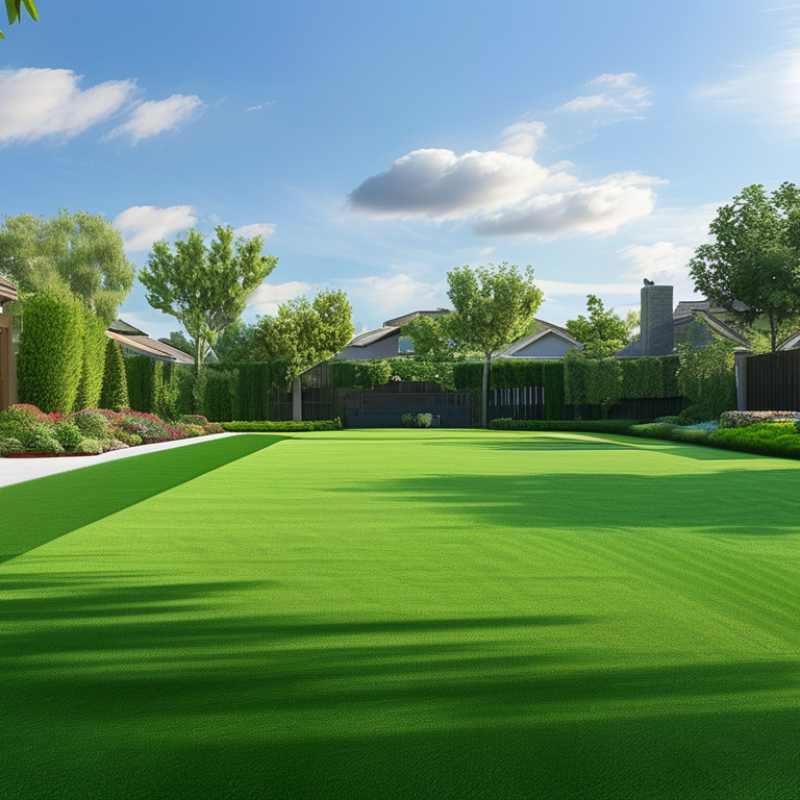
When considering your next landscaping project, Artificial Grass stands out as a compelling option. This innovative solution offers numerous advantages, transforming outdoor spaces effortlessly. Unlike natural grass, it requires minimal maintenance, which appeals to busy homeowners and property managers alike.
Artificial Grass provides the lush greenery desired without the hassle of mowing or watering. Imagine having a perfectly manicured lawn year-round, regardless of the weather. What’s more, its durability makes it suitable for high-traffic areas, like playgrounds and sports fields.
However, it is important to reflect on the initial costs and installation process. Some may find it pricey upfront. Yet, the long-term savings on water bills and maintenance should not be overlooked. As landscapes evolve, Artificial Grass presents a practical solution that combines beauty and functionality.
Benefits of Artificial Grass in Landscaping Projects
Artificial grass brings numerous advantages to landscaping projects. One of the significant benefits is its low maintenance requirement. Unlike natural grass, it doesn’t need regular mowing, watering, or fertilizing. This saves both time and resources. Families can spend weekends enjoying outdoor spaces rather than working on them. The vibrant green color stays consistent throughout the year, providing aesthetic appeal.
Another notable aspect is its durability. Artificial grass can withstand harsh weather conditions without fading or deteriorating. This makes it a reliable choice for various climates. Additionally, it is resistant to pests and diseases, which can often plague traditional lawns. Although some might worry about the initial installation costs, the long-term savings in maintenance make it a worthwhile investment.
Environmental concerns also play a role in choosing artificial grass. It reduces water usage significantly, which is crucial in drought-prone areas. Some people might feel unsure about the impact of synthetic materials; however, many modern options are designed with sustainability in mind. These options can provide a beautiful landscape while promoting eco-friendly practices.
Cost-Effectiveness of Artificial Grass Compared to Natural Grass
Artificial grass offers an attractive solution for landscaping projects.
One of the most significant benefits is cost-effectiveness.
Studies indicate that homeowners can save up to 70% on water bills by switching from natural to artificial grass.
Additionally, maintenance costs are reduced, as mowing, fertilizing, and pest control are eliminated.
A National Association of Landscape Professionals report highlights that
over a 20-year period, artificial turf can cost about 50% less than natural grass.
Maintenance might seem minimal, but periodic cleaning is vital. Regular removal of debris and occasional rinsing can extend
the lifespan of your artificial lawn. It’s crucial to choose quality materials, as cheaper options may not last as long.
Invest wisely to enhance durability.
When considering an artificial lawn, reflect on environmental impacts. While water savings are clear, manufacturing and disposal require energy.
Look for products with recyclable components or eco-friendly certifications. This choice balances personal budget needs against broader environmental responsibility.
Environmental Impact of Choosing Artificial Grass
Artificial grass has gained popularity for various landscaping projects. One compelling reason is its positive environmental impact. Unlike natural grass, synthetic turf does not require frequent watering. This can significantly reduce water consumption, especially in areas prone to drought. A lush green lawn often demands substantial irrigation, which contributes to water waste.
Moreover, artificial grass eliminates the need for chemical fertilizers and pesticides. These substances can harm local ecosystems and pollute waterways. By opting for synthetic turf, homeowners can promote a healthier environment.
However, it's important to recognize that artificial grass is not without its drawbacks. Production requires significant energy and resources, which can offset some environmental benefits. The materials used may also raise concerns about durability and longevity.
Landfills often receive discarded synthetic grass after its life cycle ends. This poses a challenge for some communities. To address these issues, consider researching sustainable options. Some manufacturers are developing eco-friendlier materials and recycling programs.
This ongoing effort reflects a growing awareness of environmental responsibility. While artificial grass presents some environmental advantages, careful consideration is necessary to fully understand its impact.
Maintenance Requirements for Artificial Grass vs. Natural Grass
When comparing artificial grass to natural grass, maintenance is a key factor. Artificial turf requires significantly less upkeep. According to the Synthetic Turf Council, homeowners can save up to 55 gallons of water per square foot annually by switching to synthetic grass. This is crucial in areas prone to drought.
Natural lawns demand regular mowing, watering, and fertilizing. A typical residential lawn needs about 1 inch of water per week. In contrast, artificial grass remains vibrant without these interventions. Yet, it’s worth noting that while artificial grass is low-maintenance, it requires occasional cleaning. Pet owners should rinse the turf to eliminate odors and dirt, but this takes less time than mowing a lawn.
Additionally, natural grass can attract pests, like mosquitoes and ants, necessitating pesticide use. Artificial grass is resistant to such pests. However, the installation process can be complex, which may require professional assistance. Homeowners should carefully weigh maintenance needs against potential initial costs.
Why Choose Artificial Grass for Your Next Landscaping Project? - Maintenance Requirements for Artificial Grass vs. Natural Grass
| Maintenance Aspect |
Artificial Grass |
Natural Grass |
| Watering |
None |
Weekly watering required |
| Mowing |
No mowing needed |
Regular mowing needed every 1-2 weeks |
| Fertilizing |
Not required |
Annual fertilization needed |
| Weeding |
Minimal, occasional cleaning |
Regular weeding necessary |
| Durability |
10-15 years lifespan |
3-7 years lifespan with proper care |
| Pest Control |
No pests |
Subject to pests and diseases |
Aesthetic Versatility of Artificial Grass in Various Landscapes
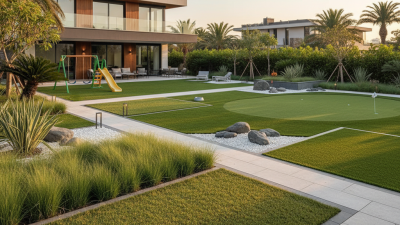
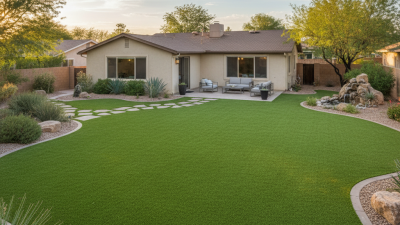
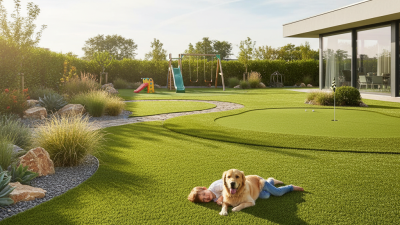
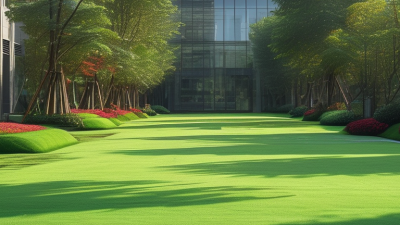
Artificial grass offers incredible aesthetic versatility for various landscapes. It enhances the beauty of gardens, patios, and even commercial settings. By mimicking natural grass, it provides a lush, green appearance year-round. Homeowners can create unique looks tailored to their preferences. The remarkable aspect is how it can fit different themes, from tropical to minimalist designs.
Here are some tips for using artificial grass effectively: Choose a color that complements your existing landscape. This ensures it blends well with flowers and plants. Another tip is to select a texture that feels inviting underfoot. Remember, the installation is crucial. Poorly laid grass can lead to uneven appearances and drainage issues. Seek professional help if needed.
Consider the environmental impact too. While artificial grass reduces water usage, its production requires resources. Reflect on local conditions and trends. What works in one area might not suit another. Think about future maintenance needs as well. Choose wisely to enhance your outdoor space sustainably and aesthetically.

 +86 19005411400+86 15006803065
 Contact Phone
 Contact Email