What Are the Benefits of Commercial Artificial Grass in China
In recent years, the demand for Commercial Artificial Grass in China has surged. This growth highlights the numerous benefits that artificial turf can provide businesses. According to Dr. Wei Zhang, an expert in landscape architecture, “Commercial Artificial Grass transforms spaces, offering durability and aesthetic appeal.” His insight underscores the shift toward sustainable and low-maintenance solutions in urban environments.
Commercial Artificial Grass offers various advantages, including reduced maintenance costs and water conservation. Unlike natural grass, it requires minimal upkeep, saving time and money for commercial property owners. Additionally, this type of turf remains green year-round, enhancing the overall appearance of any location. It allows businesses to create inviting environments without the challenges of natural grass.
While the benefits are clear, it's important to consider potential drawbacks. The initial installation cost can be high, and not all artificial grass is created equally. Some options may not perform well in extreme temperatures. Businesses should assess their specific needs and research products thoroughly to ensure they choose the right solution. This careful consideration can lead to a successful investment in Commercial Artificial Grass.
Benefits of Commercial Artificial Grass for Businesses in China
In recent years, commercial artificial grass has gained popularity among businesses in China. This trend is not merely aesthetic; it offers tangible benefits. For one, it significantly reduces maintenance costs. Traditional grass lawns require constant mowing, watering, and pest control. Artificial grass, however, remains green without extensive upkeep. This allows businesses to allocate resources more efficiently.
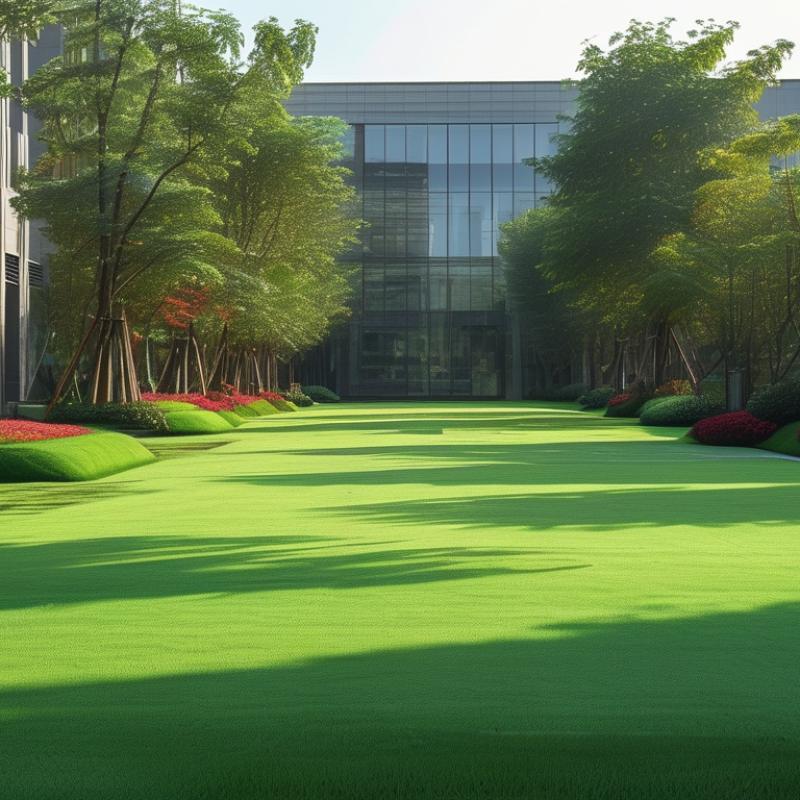
Moreover, it enhances the look of commercial spaces. A well-maintained artificial lawn can create an inviting atmosphere for customers. Imagine a cafe with vibrant green grass instead of patchy dirt. This visual appeal can enhance customer experience and encourage repeat visits.
There are considerations, though. Some businesses may worry about the environmental impact of synthetic materials. It is important to reflect on sustainable practices, like recycling old turf. The benefits are clear, but the choices made should align with broader environmental goals.
Cost Savings and Low Maintenance of Synthetic Turf
As artificial grass becomes increasingly popular in China, its cost-saving benefits stand out.
Synthetic turf requires significantly less water than natural grass.
This is especially crucial in areas facing water scarcity. Businesses can save on both water bills and maintenance costs.
Lawn care, like mowing and fertilizing, often adds up.
Synthetic options eliminate many of these ongoing expenses.
Additionally, artificial grass demands minimal upkeep. Without the need for regular mowing, businesses free up staff and resources.
This is an attractive feature for commercial spaces, where time and labor costs can skyrocket.
However, the initial investment may be higher. Companies must evaluate their long-term savings to see if the transition makes sense.
There are trade-offs to consider.
Artificial grass can wear out over time and may need replacement sooner than expected.
Establishing a balance between aesthetics and sustainability presents challenges.
However, for many businesses, the promise of a lush, green environment without the hassle of traditional lawn care proves worthwhile.
Environmental Impact of Artificial Grass in Urban Settings
The rise of urbanization in China brings noticeable environmental challenges. In densely populated cities, natural grass often struggles to survive. This is where commercial artificial grass offers a viable alternative. It can reduce water usage significantly during periods of drought, conserving vital resources. Many urban areas face water scarcity, making this benefit crucial.
Furthermore, artificial grass eliminates the need for harmful pesticides and fertilizers. These chemicals often leach into water systems, harming local ecosystems. By choosing synthetic turf, cities may help protect biodiversity. However, concerns remain about the long-term impact of microplastics from artificial grass. Understanding these issues is essential for informed decisions.
While the advantages of artificial grass are appealing, they are not without potential downsides. The heat absorption of synthetic surfaces can increase local temperatures. This could further strain urban areas already grappling with heat islands. Finding ways to mitigate these effects will be vital as cities continue to expand. As urban planners consider these options, a balanced approach will lead to sustainable solutions.
Durability and Longevity Compared to Natural Grass
Commercial artificial grass is gaining popularity in China for its durability and longevity compared to natural grass. According to a report from MarketsandMarkets, the global artificial turf market is projected to grow significantly, driven by advancements in technology and increasing demand for low-maintenance landscaping solutions.
Natural grass often requires constant maintenance, including watering, mowing, and fertilization. In contrast, artificial grass can last over 15 years without significant wear and tear. A study from the Synthetic Turf Council indicated that artificial grass reduces water consumption by around 50-70%. This is a critical factor in regions experiencing water scarcity.
Though artificial grass has many advantages, it is crucial to consider its environmental impact. The manufacturing process uses petrochemicals, which raises concerns. Moreover, while it’s durable, improper installation can lead to issues like drainage problems. As the industry matures, further research is needed to enhance the sustainability of artificial turf products. Balancing durability with environmental responsibility is an ongoing challenge that needs attention.
Aesthetic Appeal and Versatile Applications of Artificial Turf
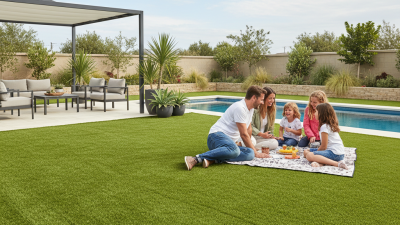
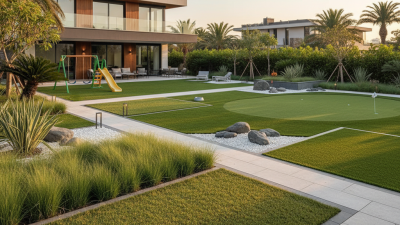
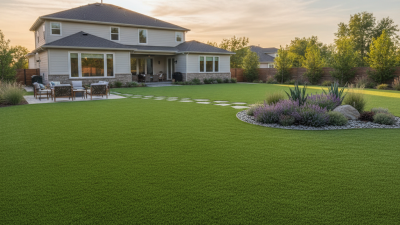
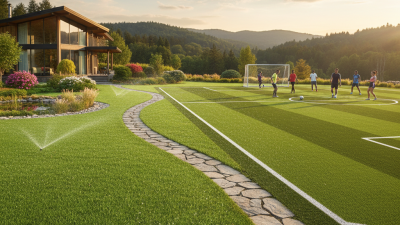
The aesthetic appeal of commercial artificial grass in China is undeniable. Its vibrant colors and realistic texture enhance any landscape. From parks to commercial properties, the visual impact is significant. It creates a refreshing atmosphere that attracts visitors. The beauty lies in how it mimics natural grass without the maintenance hassle.
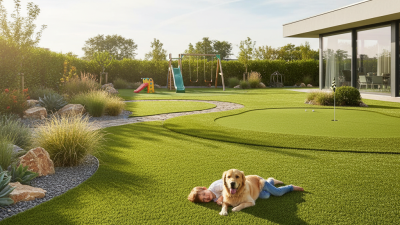
Versatile applications further elevate its value. Sports fields benefit from durable, high-performance turf. Restaurants and cafes use it for outdoor seating areas. Rooftop gardens and balconies transform into green retreats. Schools often choose artificial grass for playgrounds, ensuring safety and comfort. Yet, the initial investment can be daunting for some businesses.
While it offers many benefits, the environmental impact requires consideration. Sourcing and installation processes often raise questions. Choosing the right type of artificial grass is critical for long-term satisfaction. Educating decision-makers on maintenance and longevity can ensure sustainable use. Embracing this technology can lead to both beauty and functionality in urban settings.
Benefits of Commercial Artificial Grass in China

 +86 19005411400+86 15006803065
 Contact Phone
 Contact Email