Top Benefits of Using Green Turf for Landscaping Projects?
In recent years, the demand for Green Turf in landscaping has surged. Many homeowners and businesses are realizing its numerous benefits. Green Turf offers an aesthetically pleasing alternative to natural grass. It creates a vibrant, green space that requires minimal upkeep.
One key advantage of Green Turf is its durability. Unlike natural grass, it can withstand heavy foot traffic and extreme weather. This durability ensures that your landscape remains appealing throughout the year. Additionally, Green Turf is eco-friendly. It eliminates the need for harmful pesticides and excessive water, making it a sustainable choice.
Investing in Green Turf may seem costly initially, yet the long-term savings on maintenance and landscaping can be substantial. However, some may question its realism compared to natural grass. The technology behind Green Turf has advanced significantly, providing a more authentic look and feel. Still, it is important to evaluate your specific needs before making a decision.
Benefits of Green Turf: A Sustainable Option for Landscaping
Green turf presents a sustainable option for landscaping projects. Its vibrant appearance enhances the aesthetic appeal of outdoor spaces. Unlike natural grass, green turf requires minimal water and maintenance. This not only conserves water but also reduces the need for chemicals, making it an eco-friendly choice.
The longevity of green turf makes it a practical investment. It withstands heavy foot traffic and extreme weather conditions. Moreover, it eliminates common lawn issues like pests and diseases. However, some may question its environmental impact during production. The question remains: can we balance beauty with sustainability?
Many landscaping professionals advocate for green turf due to its versatile applications. It can transform yards, playgrounds, and commercial spaces into lush retreats. Yet, buyers must consider the upfront costs and installation process. Investing in green turf may not be easy for everyone. A thoughtful approach ensures that its benefits outweigh the challenges.
Enhancing Aesthetic Appeal with Green Turf in Outdoor Spaces
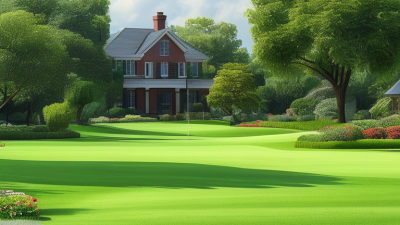
Green turf can significantly enhance the aesthetic appeal of outdoor spaces. Its vibrant color and lush texture create a welcoming environment. This natural look adds warmth to any landscaping project. Consider how it transforms patios, gardens, and playgrounds into inviting areas. A well-maintained green lawn provides a beautiful backdrop for gatherings and outdoor activities.
Tips: When choosing green turf, think about your local climate. Different types of turf thrive in various conditions. Explore the options that best suit your landscape. Regular maintenance is essential, as it keeps the turf looking fresh and vibrant. Small efforts, like periodic watering and mowing, yield great results.
Green turf isn’t without challenges. It can require consistent upkeep. Sometimes, patches may fade or develop uneven textures. This can be frustrating for homeowners. Reflect on these aspects to ensure that your green turf remains an asset, rather than a burden. Carefully selecting the right maintenance routine can make a difference. Embrace the learning process, and your outdoor spaces will shine.
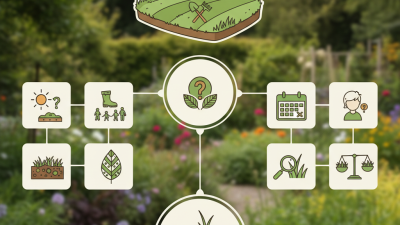
Top Benefits of Using Green Turf for Landscaping Projects
This chart illustrates the top benefits of using green turf in landscaping projects, showcasing how it enhances aesthetic appeal and other advantages.
Cost-Effectiveness of Green Turf: Long-Term Savings Analysis
When considering landscaping projects, green turf emerges as a top choice. The cost-effectiveness of green turf lies in its long-term savings potential. Initial installation costs may seem significant. However, the ongoing maintenance expenses are lower than natural grass. This includes reduced water usage, as green turf requires far less irrigation. Homeowners can save on water bills year-round.
Not only does green turf minimize maintenance costs, but it also enhances property value. A vibrant landscape attracts buyers. A well-maintained yard creates an appealing outdoor space. There are fewer pests to deal with, leading to less spending on pest control. Yet, some may worry about the upfront investment. This is natural. It’s essential to consider the big picture and long-term advantages.
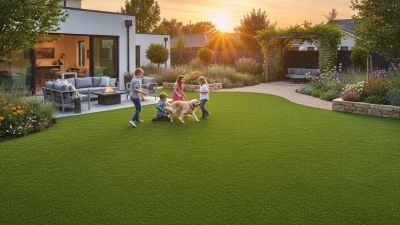
Additionally, durability is a vital factor in this equation. High-quality green turf can last for years, standing up to heavy foot traffic. Families with kids and pets will appreciate its resilience. Despite potential fading or wear over time, proper care can extend its life. Reflecting on these details can guide homeowners in making an informed decision, balancing initial costs with future savings.
Environmental Impact of Green Turf: Water Conservation and Carbon Footprint
The environmental impact of green turf is significant, particularly in water conservation and reducing carbon footprints. According to a report by the Environmental Protection Agency, turf grasses can reduce stormwater runoff by up to 55%. This means that using green turf can help maintain local water tables while minimizing the chances of flooding in urban areas.
Green turf also plays an essential role in carbon sequestration. Research finds that healthy grasslands can absorb up to 4 tons of carbon dioxide per acre annually. This helps combat climate change, reducing our overall carbon footprint significantly. Moreover, the ability of turf to provide a cooling effect in urban landscapes is vital. It generally cools the surrounding area by up to 5 degrees Celsius, reducing the heat island effect.
Tip: Consider incorporating native grass species when installing green turf. They often require less water and fertilizer, enhancing sustainability. Also, regularly maintain your turf to boost its efficiency in water retention and carbon absorption. This small step can lead to significant ecological benefits. Remember, every effort counts in protecting our environment.
Health Benefits of Green Turf: Promoting Outdoor Physical Activity
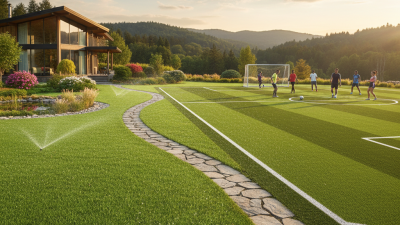
Green turf has gained popularity in landscaping due to its numerous health benefits. One of the key advantages is its ability to promote outdoor physical activity. With a soft and inviting surface, green turf encourages people, especially children, to play outside. Activities like soccer, frisbee, or simple running become more appealing. The vibrant green can inspire spontaneous play and movement.
Moreover, spending time on green spaces has a restorative effect. Research indicates that exposure to natural environments helps reduce stress and anxiety. The feel of soft turf underfoot is comforting, inviting families to gather and enjoy quality time. However, the shift from more natural grass to turf may raise concerns. Some worry that artificial materials can impact local environments. Balancing aesthetics with ecological considerations is essential.
While green turf offers many benefits, it also requires careful maintenance. Ensuring it is kept clean and safe for play involves commitment and vigilance. With the right approach, green turf can be an effective tool for promoting physical health and well-being. The potential for outdoor activity makes it an attractive option for communities. But we should always reflect on our choices and their broader implications.

 +86 19005411400+86 15006803065
 Contact Phone
 Contact Email