Top 10 Benefits of Green Turf for Global Buyers?
As the demand for sustainable solutions grows, the benefits of Green Turf have come into sharp focus. Experts in the industry, like Dr. Jane Harper, a leading turf specialist, emphasize the transformative nature of synthetic grass. “Green Turf is not just a trend; it’s a necessity for a sustainable future,” she states.
Green Turf offers numerous advantages that cater to global buyers. It conserves water, reduces chemical usage, and provides a luscious, green landscape year-round. This innovation is not only environmentally friendly but also economically viable. With its ability to withstand diverse weather conditions, many are making the switch to synthetic options.
Yet, the journey to widespread adoption has its challenges. Some consumers grapple with initial investment costs, while others remain skeptical about maintenance and durability. Reflecting on these concerns is essential for understanding the full value of Green Turf. Exploring its top ten benefits can illuminate why this choice is increasingly favored in landscapes worldwide.
Advantages of Green Turf for Sustainable Landscaping Practices
Green turf offers remarkable benefits for sustainable landscaping. Its lush appearance enhances aesthetics while providing ecological advantages. Living in urban areas, having a green space can reduce heat and provide good air quality. Turf can lower surrounding temperatures, creating a comfortable environment for both people and wildlife.
When considering green turf, take note of maintenance practices. Regular watering is essential, but don't overdo it. Too much water can lead to diseases. Opt for native plants around the turf. This promotes biodiversity and supports local ecosystems. Additionally, choose turf varieties that require less water and fertilizer. This minimizes environmental impact.
Installing green turf can be a thoughtful process. Think about how it fits into your landscape plan. Are there areas that need erosion control? Turf can manage soil stability while enhancing beauty. However, it’s important to reflect on the carbon footprint associated with production. Aim for sourcing sustainably grown turf. Careful planning ensures you reap all these benefits without compromising the environment.
Cost-Effectiveness of Green Turf in Various Markets
Green turf has become an appealing option for global buyers seeking cost-effective solutions. In various markets, its affordability and longevity stand out. One of the key benefits is the minimal maintenance required. Homeowners and businesses save significantly on water and lawn care services. This makes it a practical choice, especially in areas with water restrictions.
Investing in green turf can lead to lower overall landscaping costs. Many buyers may worry about the initial investment. Yet, over time, the savings on maintenance can outweigh these costs. The durability of artificial grass ensures that replacements are infrequent. This means fewer expenses for homeowners and businesses alike.
**Tip:** Look for warranties when choosing green turf. A good warranty indicates confidence in the product's quality.
Another factor to consider is how green turf can boost property value. Curb appeal matters, and an attractive landscape can draw potential buyers. However, some may struggle with installation and fitting. Hiring a professional might seem expensive but can prevent costly mistakes in the long run.
**Tip:** Research local installation services. Comparing multiple quotes can save you more money.
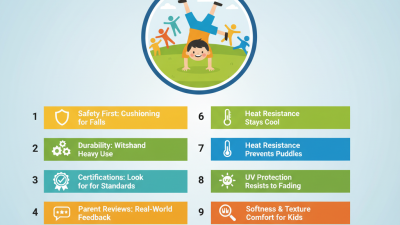
Top 10 Benefits of Green Turf for Global Buyers
This chart illustrates the top ten benefits of green turf for global buyers, showcasing how each benefit is scored on a scale from 1 to 10. The key advantages include cost savings and environmental benefits, which rank the highest, while UV resistance receives the lowest score among the listed benefits.
Environmental Impact of Green Turf on Urban Settings
Urban green spaces are crucial for enhancing
the quality of life. Green turf in city environments can reduce urban heat islands. According to the U.S. Environmental
Protection Agency, these green areas lower surface temperatures. This helps combat rising heat levels during summer
months.
Moreover, green turf plays a significant role in improving air quality.
A study by the American Society of Landscape Architects shows that vegetation
can remove up to 87% of harmful pollutants from the air. The presence of grass and plants is vital in filtering out
dust and airborne particles. These improvements can significantly benefit residents' health in densely populated areas.
Despite these benefits, challenges remain. Maintenance of green spaces can be resource-intensive. Water management
is a concern, especially in arid regions. Striking a balance between resource use and environmental sustainability is
essential. Urban planners must consider these factors when implementing green turf solutions. Making informed choices
will enhance urban environments effectively.
Maintenance Benefits of Green Turf Compared to Natural Grass
Green turf presents significant maintenance benefits compared to natural grass. A study by the Sports Turf Research Institute highlights that synthetic turf requires about 30% less water than natural grass. This reduction is crucial in regions facing water scarcity. In addition, green turf eliminates the need for chemical fertilizers and pesticides, which can be harmful to the environment. Regular maintenance is minimal, often limited to brushing and infill replenishment.
Natural grass demands more attention. It requires frequent mowing, watering, and aeration. According to the Turfgrass Water Conservation Alliance, maintaining natural lawns can consume up to 60 gallons of water per square foot annually. This not only impacts water resources but also increases labor costs for property owners. Synthetic options, on the other hand, reduce these costs significantly, providing a reliable surface year-round.
However, potential drawbacks exist with green turf. The initial installation cost can be higher than planting natural grass. Additionally, while synthetic surfaces are durable, they can overheat in direct sunlight, which may necessitate further considerations for usage. Landscape professionals often recommend weighing these aspects against long-term savings in maintenance and water conservation.
Versatility of Green Turf in Different Applications and Uses
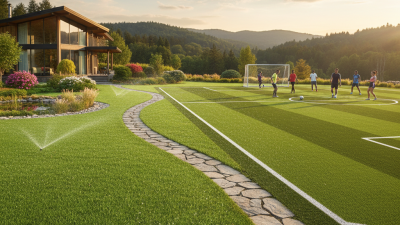
Green turf is revolutionizing various sectors with its adaptability. Whether you're designing a playground or creating a sports field, green turf can meet your needs. It serves different purposes in residential and commercial settings. Schools can benefit from durable surfaces that enhance safety. Meanwhile, homeowners cherish the aesthetic appeal of lush green lawns without the upkeep of natural grass.
Installing green turf comes with its quirks. It may retain heat, so some areas might feel warm (consideration needed in hot climates). Regular maintenance ensures longevity, but it's crucial to acknowledge wear and tear over time. Frequent high-traffic use can lead to fading or flattening. Watch for signs that indicate a need for upkeep.
For buyers, here are some tips: Consider the area’s activity level before choosing turf. Different types cater to various functions. Invest in quality products that offer durability. Also, think about drainage design. Proper water management protects your turf’s integrity in rainy seasons. With these insights, buyers can maximize the versatility of green turf for their specific applications.

 +86 19005411400+86 15006803065
 Contact Phone
 Contact Email