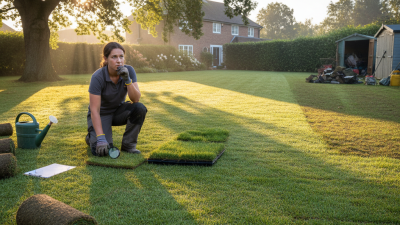
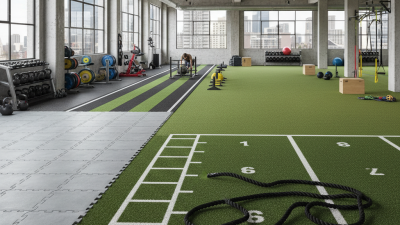
Best Benefits of Artificial Turf Lawn for Your Home Garden?
In recent years, the trend of using Artificial Turf Lawn for home gardens has gained significant popularity. Experts in the field, such as Dr. Emily Johnson, a leading landscape architect, note, "Artificial turf offers a practical solution for homeowners seeking beauty without the hassle." This innovation provides numerous benefits that are hard to overlook.
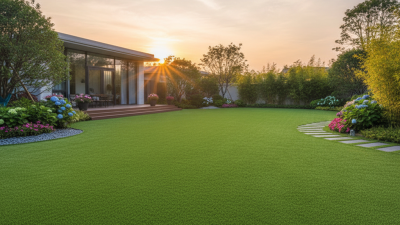
One major advantage is the low maintenance required. Unlike traditional grass, an Artificial Turf Lawn doesn't need regular mowing, watering, or fertilizing. This not only saves time but also reduces water bills and environmental impact. Moreover, it naturally stays green and pristine, offering a visually appealing outdoor space year-round.
However, homeowners must consider some aspects seriously. The initial installation costs can be a concern, and the inflexibility of artificial surfaces may not appeal to everyone. Reflecting on these factors is essential. Balancing beauty, practicality, and cost is crucial when deciding to invest in an Artificial Turf Lawn.
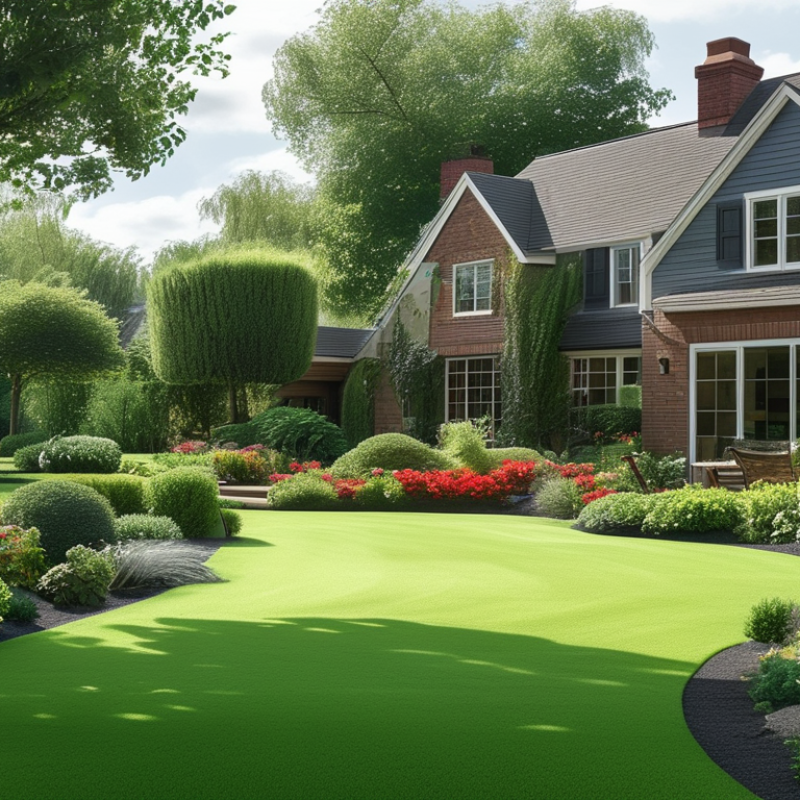
Introduction to Artificial Turf and Its Growing Popularity
Artificial turf has gained immense popularity in recent years. Homeowners are turning to this eco-friendly option for various reasons. One of the main benefits is its low maintenance requirements. Unlike natural grass, artificial turf does not need regular mowing, watering, or fertilizing. This can save you both time and money, making it an appealing choice for busy families.
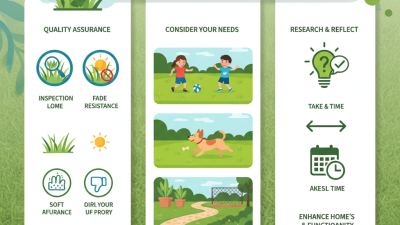
Tips: When selecting artificial turf, consider its density and color. Denser grass looks more realistic and can withstand heavy foot traffic. Choose colors that complement your garden design. Also, ensure that the turf's drainage system is effective to avoid water pooling.
Another reason for its rising popularity is sustainability. With climate change impacting water resources, many seek ways to conserve water. Artificial turf can drastically reduce water usage in your garden. However, it’s essential to reflect on potential downsides. Some products may not be as durable as advertised. Researching and choosing quality materials is crucial to avoid frequent replacements.
Tips: Always check for warranties and durability ratings before purchasing. Consulting with experts can also provide insights on the best options for your garden’s specific needs. Balancing aesthetics and functionality should guide your decision-making process.
Key Advantages of Installing Artificial Turf in Home Gardens
Artificial turf has gained traction in home gardens due to its many advantages. One significant benefit is water conservation. According to the Synthetic Turf Council, natural grass lawns can require up to 55 gallons of water per square foot each year. In contrast, artificial turf requires minimal water for maintenance. This switch can lead to significant savings on water bills, especially in drought-prone areas.
Another key point is maintenance ease. Traditional lawns need regular mowing, fertilizing, and pest control. A report from the International Turf Council estimates that homeowners spend an average of 60 hours per year maintaining a natural grass lawn. In contrast, artificial turf needs only occasional rinsing and infrequent repairs. While installing artificial turf involves an upfront cost, the long-term savings in maintenance can make it a cost-effective choice.
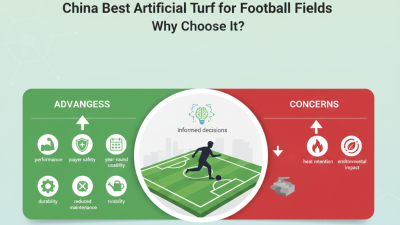
Some may express concerns about the environmental impact of synthetic materials. Research shows that high-quality artificial turf can last 15-20 years. This longevity can offset any initial worries about its ecological footprint. To address potential heat retention issues, many recent products feature cooling technologies. It's important to consider both the benefits and the drawbacks while making a decision for garden landscaping.
Comparative Analysis: Artificial Turf vs. Natural Grass Lawns
When choosing between artificial turf and natural grass, several factors come into play. Artificial turf offers a consistent look throughout the year. It requires minimal maintenance, eliminating the need for mowing and regular watering. This can save both time and money in the long run. However, some may find it less appealing than natural grass. The texture and feel can differ significantly, which might not satisfy all homeowners.
Natural grass, while beautiful, demands more care and attention. Regular watering, fertilizing, and mowing can become a chore. Seasonal changes can lead to patches and brown spots. This requires effort to keep it looking lush and vibrant. The environmental impact is also worth considering. Natural grass promotes biodiversity and can support local wildlife, while artificial options can contribute to urban heat. Homeowners should weigh these pros and cons carefully. Each option has its own set of benefits and challenges. Ultimately, the choice depends on personal preferences and lifestyle needs.
Best Benefits of Artificial Turf Lawn for Your Home Garden
| Feature |
Artificial Turf |
Natural Grass |
| Maintenance |
Low - requires periodic brushing and rinsing |
High - needs mowing, watering, and fertilization |
| Lifespan |
15-25 years |
5-10 years (varies based on care) |
| Water Usage |
None required |
High - needs regular watering |
| Pest Issues |
Minimal |
Common - attracts pests like grubs and insects |
| Allergy Potential |
Low |
Potentially high due to pollen |
| Cost |
Higher initial investment, lower long-term costs |
Lower initial cost, ongoing maintenance expenses |
| Environmental Impact |
Made from recyclable materials; no chemicals needed |
Requires water, fertilizers and pesticides |
Environmental Impact and Sustainability of Artificial Turf Solutions
Artificial turf has become a popular choice for homeowners looking to create vibrant gardens. Its environmental impact is significant. Research shows that traditional lawns require 55% more water than artificial grass. This can stress water resources, particularly in drought-prone areas. By switching to artificial turf, homeowners can save thousands of gallons of water annually.
Additionally, artificial turf eliminates the need for harmful pesticides and fertilizers. Studies reveal that approximately 70 million pounds of pesticides are used on U.S. lawns every year. These chemicals can leach into local water supplies, causing pollution. Using artificial grass can reduce chemical runoff, promoting cleaner waterways.
However, there are challenges to consider. Some artificial turf options can be made from non-recyclable materials. Reports indicate that over 60% of synthetic grass ends up in landfills. This aspect raises questions about long-term sustainability. Homeowners need to research eco-friendly options. Understanding the complete lifecycle of their lawn solution is essential for making informed choices.
Maintenance Requirements and Longevity of Artificial Turf Lawns
Artificial turf lawns are increasingly popular for home gardens. They offer aesthetics and ease of maintenance. One major advantage is their minimal upkeep requirements. Statistics from the Synthetic Turf Council indicate that homeowners can save up to 50% on water when using artificial grass. This is significant, especially in regions prone to drought.
Longevity is another key factor. High-quality artificial turf can last 15 to 25 years, which is much longer than natural grass. It withstands heavy foot traffic and extreme weather conditions. However, some users report that consistent grooming and occasional cleaning are necessary. Ignoring these can lead to issues like infrequent growth of thatch or debris accumulation. Regular maintenance, although less intensive than natural grass, is still crucial for aesthetics and functionality.
Certain materials used in artificial turf can wear over time, affecting performance. For instance, UV exposure may impact color and texture. Some turf types might need replacement sooner. Experts suggest occasionally inspecting for signs of wear and tear. Proper care ensures the lawn remains appealing and functional. Nonetheless, the initial installation costs can be high, which some homeowners may find challenging.

 +86 19005411400+86 15006803065
 Contact Phone
 Contact Email