Best Commercial Artificial Grass Options for Global Buyers?
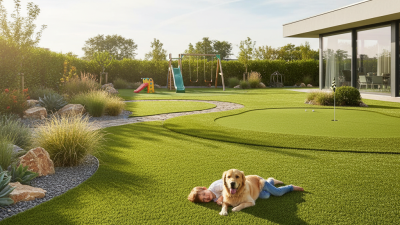
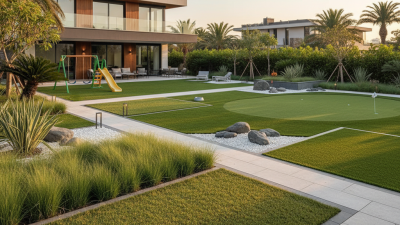
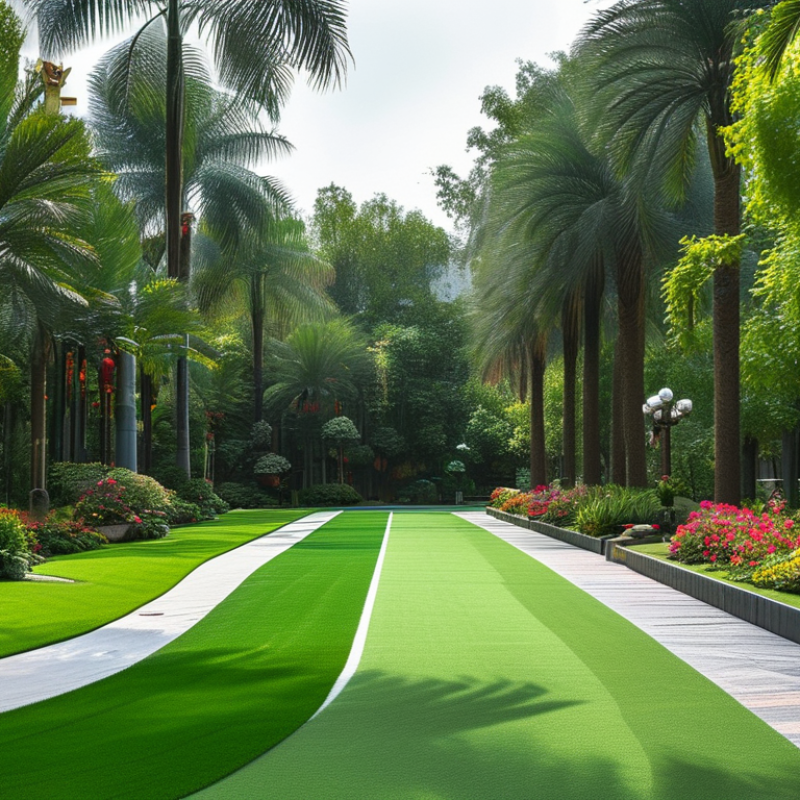
When considering the best commercial artificial grass options, buyers face numerous choices. Commercial artificial grass can enhance environments such as parks, playgrounds, and sports fields. Its popularity stems from its durability and low maintenance needs. High-quality products can withstand heavy foot traffic while retaining a vibrant appearance.
However, not all artificial grass is created equal. Buyers must assess the materials, thickness, and drainage systems of different options. Investing in reliable, high-performance products ensures long-term satisfaction. In a market saturated with alternatives, understanding the specifications is crucial.
Ultimately, making informed decisions requires diligence. Researching supplier credibility adds another layer of assurance. As trends in sustainability grow, eco-friendly options are becoming more available. Choosing well can lead to improved aesthetics and functionality in various settings.
Best Commercial Artificial Grass Options for Global Buyers: An Overview
When selecting commercial artificial grass, various factors come into play. Durability is key for high-traffic areas. Many options today use advanced materials that mimic natural grass while providing excellent resilience. It's essential to research different types. Some may perform better in sunny climates, while others do well in cooler regions.
Installation is also crucial. Properly installed artificial grass can avoid issues like puddling or lifting. Seek professional help if unsure. The texture can vary significantly, affecting both aesthetics and functionality.
Some may feel too rough underfoot, impacting user experience. It’s worth obtaining samples to assess comfort levels.
Maintenance is another aspect to consider. While artificial grass is low-maintenance, it still requires occasional cleaning. Some varieties need infill, which can complicate upkeep. Understanding the lifecycle of materials is important too. Not all artificial grass options are created equal; some will last longer and perform better than others. Always reflect on what meets your specific needs before making a choice.
Key Factors to Consider When Selecting Artificial Grass for Commercial Use
Selecting the right artificial grass for commercial use involves several key factors. Durability is paramount. A recent industry report indicates that high-quality artificial turf can withstand heavy foot traffic, lasting over 15 years. This is crucial for venues such as sports fields and parks, where wear and tear are significant.
Another important consideration is UV resistance. Artificial grass should maintain its color and integrity even under direct sunlight. Research has shown that UV-resistant materials can retain 60% of their original color after five years of exposure. This aspect is vital for commercial installations that face weather variations.
In addition, the backing material plays a significant role in grass longevity. Many options now feature advanced drainage systems. This can reduce water pooling and promote faster drying, which is a must for high-traffic areas. A report from the Turfgrass Water Conservation Alliance highlights that effective drainage can increase the lifespan of turf by 20%. However, not all products emphasize this feature, which could lead to long-term issues. Balancing aesthetics with these functional attributes is essential for a successful commercial application.
Best Commercial Artificial Grass Options - Key Factors to Consider
This chart displays the importance rating (on a scale of 1 to 10) for various factors to consider when selecting artificial grass for commercial use. Durability ranks highest among the factors, highlighting its critical role in decision-making for global buyers.
Top Brands in the Artificial Grass Market: Features and Pricing Analysis
When considering artificial grass, several key brands stand out in the market. These brands focus on durable materials and realistic aesthetics. Buyers should examine the features that each brand offers. For instance, look for UV resistance and drainage capabilities. High-quality options often include a sturdy backing and tufted yarn that mimics real grass.
Pricing varies significantly among different artificial grass products. Some brands offer budget-friendly alternatives, while others provide premium solutions that mimic natural lawns. Understand that while a lower price might be tempting, it can lead to poor longevity and maintenance issues. Investing in quality can save money over time.
Tips: When choosing artificial grass, consider your location and climate. Not all products perform equally in different weather conditions.
Additionally, inquire about warranties and customer service. These elements ensure you have support and protection for your investment. Lastly, reading customer reviews can provide insights into real-world performance and durability.
Durability and Maintenance: Industry Standards for Commercial Synthetic Turf
When selecting commercial synthetic turf, durability and maintenance are paramount. Industry data indicates that high-quality synthetic grass can last between 10 to 15 years. A 2021 report from the Synthetic Turf Council noted that 85% of commercial turf installations met durability expectations under normal use. This suggests that investing in reputable products can yield long-term benefits.
Maintenance requirements vary widely. While artificial grass reduces mowing and watering needs, regular upkeep is necessary for optimal performance. The Council recommends weekly grooming and occasional deep cleaning with specialized equipment. Studies show that proper maintenance can extend the life of synthetic turf by up to 25%. Neglecting maintenance often leads to surface degradation, impacting appearance and performance.
Industry standards also emphasize the importance of UV resistance. Research reveals that UV inhibitors can enhance color retention and reduce degradation from sunlight exposure. Despite this, not all products meet these criteria. Buyers must carefully evaluate specifications and certifications. Longevity and reduced maintenance are enticing, but a lack of thorough understanding can lead to disappointing choices.
Environmental Impact: Evaluating the Sustainability of Artificial Grass Solutions
When evaluating the sustainability of artificial grass, it’s important to consider various environmental impacts. Artificial grass is made from synthetic materials, often derived from petroleum. This raises concerns regarding carbon footprint and material recyclability. The production process can contribute to greenhouse gas emissions. Buyers should look for options that utilize recycled materials and sustainable production practices.
Tips: Always ask for details about the manufacturing process. This includes the types of materials used and the energy sources powering production. It can help in making informed choices that align with eco-friendly values.
Another aspect is water conservation. Unlike natural grass, artificial turf requires no irrigation. This can be advantageous in regions facing water scarcity. However, the heat retention of synthetic grass may lead to higher surface temperatures, which can have adverse effects on local ecosystems. Be mindful of these factors when selecting your turf.
Tips: Explore options with cooling technologies or natural infills. These can mitigate some of the environmental concerns related to heat. Sustainability is a continuous journey, and being informed is key to making better choices.
 +86 19005411400+86 15006803065
 Contact Phone
 Contact Email