What is Artificial Grass Rolls and How Are They Used?
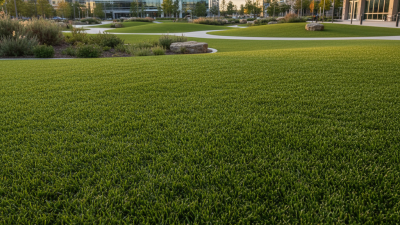
Artificial Grass Rolls have become increasingly popular in landscaping and recreational areas. These synthetic options offer a lush, green appearance without the maintenance hassle of natural grass. They are made from durable materials, making them suitable for various applications, from residential lawns to sports fields.
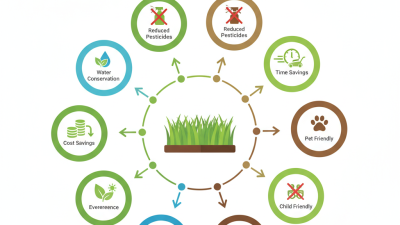
Many homeowners appreciate the aesthetic appeal of Artificial Grass Rolls. They provide a consistent look throughout the year, free from browning or patching. Moreover, they are often environmentally friendly, reducing the need for water and harmful pesticides. However, some may question their longevity and cost-effectiveness over time.
Understanding how to install and utilize Artificial Grass Rolls can be complex. DIY enthusiasts might find step-by-step installation guides helpful. Nevertheless, seeking professional assistance may ensure optimal results. As the market evolves, more innovations emerge, making these synthetic products an exciting choice for modern landscaping challenges.
What is Artificial Grass Rolls?
Artificial grass rolls are synthetic turf products that mimic the look and feel of natural grass. They are made from various materials, including polyethylene and nylon, which provide durability and a lifelike appearance. This type of grass is designed to withstand heavy foot traffic and harsh weather conditions, making it a popular choice for residential and commercial properties.
These rolls come in different sizes and pile heights, allowing users to select options that fit specific needs. For example, a thicker pile height may be ideal for a yard where children play, while a shorter pile could work for decorative purposes. The installation process is relatively straightforward, but it requires precise measurements and some tools. Poor installation can lead to uneven surfaces and drainage issues, which may detract from the overall look and usability.
Many people appreciate artificial grass rolls for their low maintenance. Unlike natural grass, they do not require mowing, watering, or chemical treatments. However, some users report that the material can heat up significantly in direct sunlight. This can pose a discomfort for pets or children who wish to play on the surface during hot days.
Overall, artificial grass rolls offer both benefits and challenges, making it essential for potential users to evaluate their specific situation before making a choice.
Types of Artificial Grass Rolls and Their Features
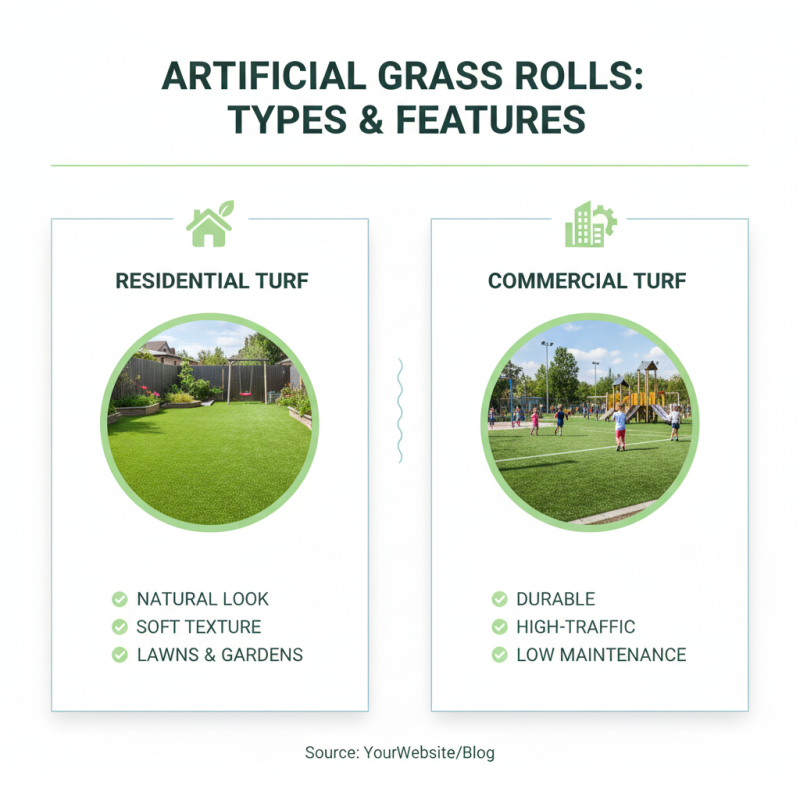
Artificial grass rolls come in various types, each with unique features. One common type is residential turf. This type mimics natural grass closely. It has a soft texture and vibrant colors. Homeowners often choose it for lawns and gardens. Another type is commercial turf, designed for high traffic areas. This option is more durable and resistant to wear. It typically has a shorter pile height, making it easy to maintain.
Sports turf is another popular variant. It is engineered for athletic fields. This type withstands intense use and harsh conditions. It often has a reinforced backing for added strength. Some artificial grass rolls even come with built-in drainage systems. This feature helps to manage rainwater effectively.
Each type of artificial grass roll has its pros and cons. For example, while residential turf looks great, it may fade over time. Commercial turf offers durability, but it might not be as soft underfoot. Sports turf excels in performance but can feel harder compared to others. Choosing the right type requires careful consideration of user needs and specific applications.
Benefits of Using Artificial Grass Rolls
Artificial grass rolls have become popular for various applications, from residential lawns to commercial spaces. One key benefit is low maintenance. A study by the Synthetic Turf Council revealed that artificial grass reduces water usage by up to 70%. This is crucial in areas facing drought. Lawn care can require excessive resources. With artificial grass, there is no need for mowing, weeding, or frequent watering.
Another significant advantage is durability. Quality artificial grass can withstand heavy foot traffic without damage. According to reports, many products have a lifespan of 15 to 25 years. This longevity reduces the need for frequent replacements, which saves money over time. Cities and schools are increasingly opting for artificial solutions to create playgrounds and sports fields. These installations provide a consistent playing surface and minimize injuries, contributing to overall safety.
Yet, there are some concerns. The heat retention of artificial turf can be problematic in hot climates. It requires cooling methods to ensure safety for users. Additionally, some experts caution about the environmental impact of synthetic materials. The long-term sustainability of these products is still under scrutiny. Balancing the benefits with these potential drawbacks is essential for anyone considering an investment in artificial grass.
Common Uses of Artificial Grass Rolls in Different Settings
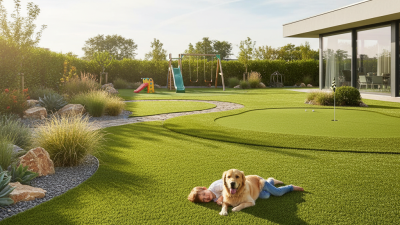
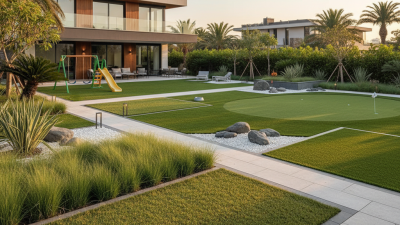
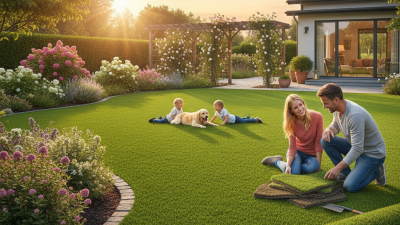
Artificial grass rolls have become a versatile solution for many settings. They are used in residential yards, commercial spaces, and recreational facilities. Homeowners often lay them down for low-maintenance landscaping. Kids and pets enjoy having a safe, soft surface to play on. Backyards can easily transform with vibrant green grass that looks natural.
In parks and playgrounds, artificial grass provides a durable, weather-resistant surface. It allows for active play without the mud and mess of real grass. This is especially beneficial in urban areas where natural grass struggles to thrive. Sports fields also utilize artificial grass for its resilience. Teams can practice or play games anytime, regardless of the weather. The consistent surface helps reduce injuries, a crucial factor for coaches.
However, not every installation is perfect. Some installations can look fake or become worn over time. It’s important to consider the right type for the intended use. Some users question maintenance needs, as infill can settle over time, affecting the appearance. Reflecting on these aspects allows for better planning when choosing artificial grass rolls.
Installation and Maintenance Tips for Artificial Grass Rolls
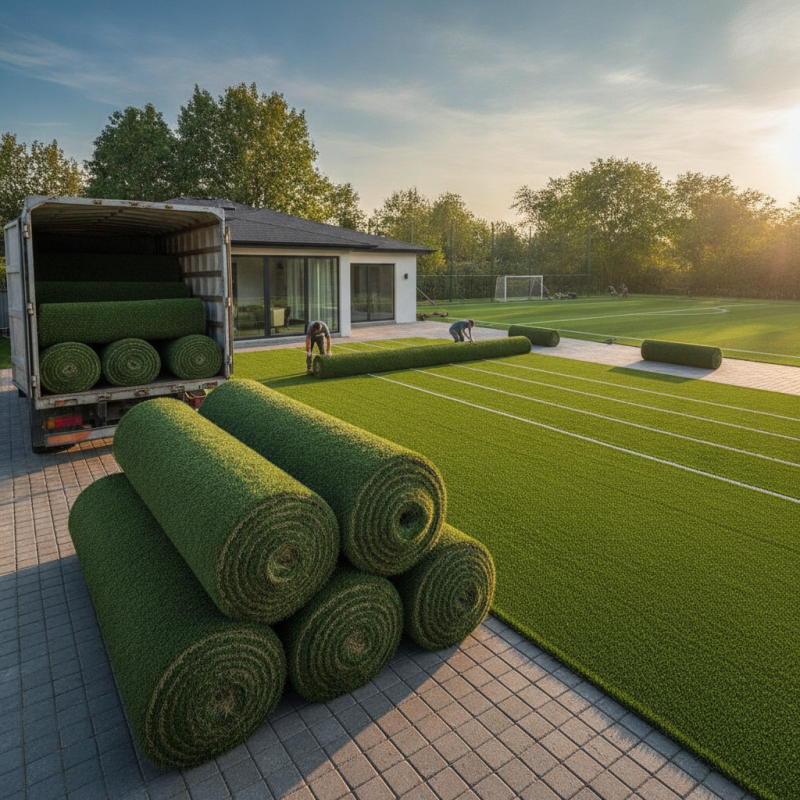
When installing artificial grass rolls, proper preparation makes a significant difference. Ensure the area is clean and free from debris. Remove any existing grass and weeds. Level the soil to create a smooth surface. Compaction of the soil is vital to prevent shifting later. After this, a sand or crushed stone base can support drainage and enhance stability.
Before laying the rolls, measure the space to avoid excess cutting. The artificial grass should be rolled out and allowed to acclimate. Trimming edges might be necessary for a tidy look. Secure the edges and joins with adhesive or landscaping staples. Regular maintenance is crucial after installation. Although artificial grass requires less upkeep than natural grass, it’s not completely maintenance-free.
Occasional brushing helps maintain the fibers and prevent matting. Inspect the seams for wear, especially after heavy rains. If you notice any issues, addressing them promptly can extend the grass's lifespan. While some owners enjoy the no-worry aspect, they may overlook these simple tasks, risking premature deterioration. Regular care contributes to maintaining a vibrant, green appearance year-round, keeping your space looking its best.
Artificial Grass Roll Usage Statistics
This bar chart illustrates the percentage usage of artificial grass rolls across various applications, highlighting the dominant use in residential lawns, followed by commercial spaces and sports fields. Such statistics are essential for understanding market trends and helping potential buyers choose appropriate applications for artificial grass.

 +86 19005411400+86 15006803065
 Contact Phone
 Contact Email