China Top 10 Clear Plastic Tarpaulin Manufacturers?
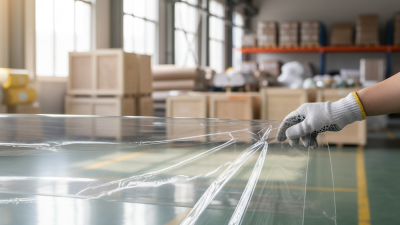
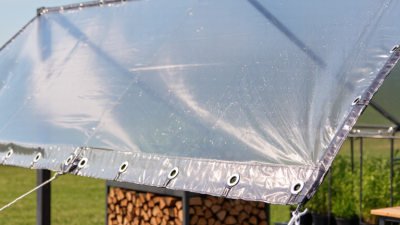
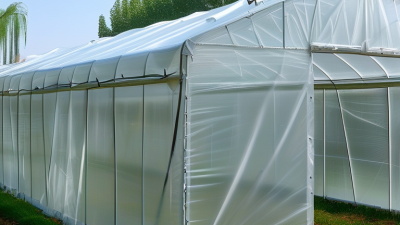
Clear Plastic Tarpaulin is used where weather protection and visibility both matter. It can cover outdoor work areas, temporary enclosures, stored materials, or greenhouse sides while allowing light through. Yet “clear” does not mean identical: film thickness, reinforcement, UV resistance, seam construction, and clarity can differ considerably between products.
This guide introduces ten China-based manufacturers for buyers comparing product ranges and production capabilities. Rather than treating any list as a guaranteed ranking, it considers practical details such as material options, custom dimensions, reinforced edges, grommet spacing, sample availability, and export support. A close look at a product sheet can help, but it cannot show how a tarp handles repeated folding or a windy installation. Details matter.
Before requesting a quotation, define the intended use and ask for measurable specifications, including thickness or weight, tensile performance, and suitable temperature range. Where possible, inspect a sample and confirm that its seams, eyelets, and finish match your needs. Also check current certifications and lead times directly with the supplier; product claims and factory capabilities may change. Not always obvious. The lowest quoted price may not reflect packaging, customization, or replacement costs. This overview is a starting point, not a substitute for verification, and even careful comparisons can miss issues that appear only after delivery.
What Clear Plastic Tarpaulins Are and How They Are Made
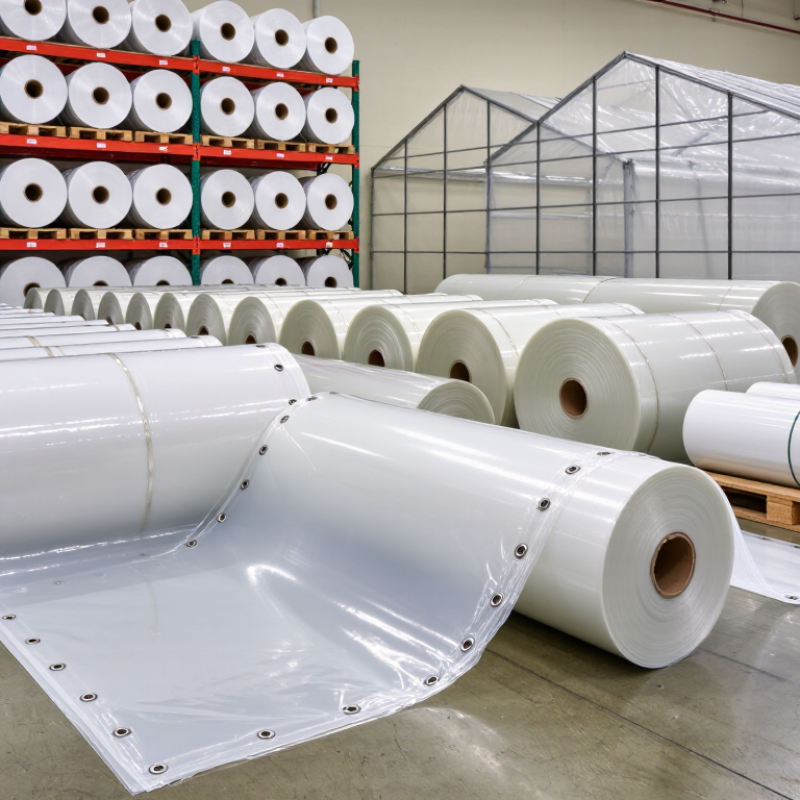
A clear plastic tarpaulin is a flexible sheet designed to admit light while shielding goods from rain, dust, and wind. Common constructions use plasticized PVC film or polyethylene film, sometimes reinforced with a woven mesh. The choice affects flexibility, clarity, weight, and resistance to tearing. Clear does not mean invisible: surface texture, thickness, and reinforcement can make a sheet look hazy. That matters.
Manufacturing starts with resin pellets, which are melted and formed into film by extrusion; PVC film may also be made through calendering. Manufacturers can add stabilizers or UV-protection additives, though these may slightly change the sheet’s appearance. For reinforced tarpaulins, a mesh is laminated between layers, then seams are heat-welded and eyelets fitted. ASTM D751 provides test methods for coated fabrics, including tests for strength and seam performance.
PlasticsEurope’s Plastics—The Fast Facts 2024 reports 413.8 million tonnes of global plastics production in 2023; this is broad context, not a tarpaulin-specific figure. The OECD’s Global Plastics Outlook (2022) estimates that 353 million tonnes of plastic waste were generated in 2019, with 9% recycled.
Material selection and service life deserve attention. A clear sheet can yellow or cloud over time, and durability claims need testing under real use conditions.
How China’s Leading Manufacturers Are Evaluated
Evaluating China’s leading clear plastic tarpaulin manufacturers requires more than comparing quoted prices. Buyers should check film thickness, tensile strength, tear resistance, seam quality, and UV-weathering performance. Ask for test reports tied to the exact product grade, not a similar sample. For PVC-coated or laminated fabrics, testing aligned with ASTM D751 can help assess coated-fabric properties. Request batch records and inspect whether the sample’s edges, eyelets, and welds match the finished goods. Small details matter.
Production scale alone is not proof of quality. PlasticsEurope’s Plastics – the Fast Facts 2023 reports global plastics production of 400.3 million tonnes in 2022. That broad figure shows the scale of the materials sector, but it does not rank tarp suppliers. For a more useful comparison, evaluate consistency across repeated orders, documented quality checks, delivery performance, and clear material specifications. OECD’s Global Plastics Outlook (2022) estimates that only 9% of plastic waste was ultimately recycled in 2019. This makes credible material and end-of-life information worth checking, though recycling claims need product-specific evidence. One weakness in many comparisons: they rely too heavily on a single sample.
Tips: Request a sample from a current production run. Measure its thickness at several points, then compare the result with the specification. Ask how UV exposure, color stability, and seam strength are tested. If the supplier cannot explain the method, treat the claim cautiously. A neat brochure is not a test result.
Profiles of 10 Clear Plastic Tarpaulin Manufacturers in China
Profiles of ten Chinese clear plastic tarpaulin manufacturers are most useful when they compare factory capabilities, not just product photos. A practical shortlist covers PE woven-film laminators, PVC-coated fabric makers, clear-sheet extruders, reinforced-film converters, agricultural-cover producers, construction-sheet suppliers, custom-width roll makers, heat-seaming workshops, export-focused OEM factories, and small-batch converters. Each profile should note material, thickness range, seam method, available roll widths, and whether the factory tests light transmission and tensile strength. Details matter. A clear sample should stay evenly transparent, with no cloudy bands or weak seams.
Upstream context helps explain why material sourcing and consistency deserve attention. Plastics Europe’s Plastics – the Fast Facts 2024 reports global plastics production of 413.8 million tonnes in 2023; this broad figure is not specific to tarpaulins. Public, comparable output data for individual tarp factories are limited, so buyers should verify claims with dated test reports and production samples. Ask how UV stabilizers are specified, how edge hems are reinforced, and whether eyelets remain secure after repeated pulling. A checklist can miss things. Compare several samples under the same light, and record thickness and weight before ordering.
Product Types, Quality Standards, and Customization Compared
China Top 10 Clear Plastic Tarpaulin Manufacturers?
Product Types, Quality Standards, and Customization Compared
Clear tarpaulins vary in material, clarity, and durability. PVC-coated clear sheets are often heavier and more flexible, while PE-laminated options can be lighter and more economical. Reinforced clear panels add mesh for strength but may reduce visibility. Details matter. For greenhouses, shelters, or market stalls, compare light transmission, cold flexibility, and expected exposure before choosing.
A useful supplier comparison looks beyond thickness alone. Ask for test data on tensile strength, tear resistance, coating adhesion, and UV performance, with test methods stated clearly. For transparent products, check haze and yellowing after weather exposure. Request samples. A sheet may look crystal-clear under factory lights yet appear cloudy outdoors. Some buyers focus too much on quoted strength figures; those numbers are hard to compare without matching test conditions.
Customization can include roll width, sheet length, reinforced edges, eyelet spacing, and clear or colored borders. Share a drawing or measured installation area, then confirm tolerances, seam placement, and packaging. Ask whether the sample uses the same fabric and coating as bulk production. A small trial order can reveal practical issues, though it may not predict every production variation. Tie specifications to the actual use, not just a catalog description.
How to Choose a Manufacturer for Your Needs
Choosing a clear plastic tarpaulin manufacturer in China starts with the conditions your cover must handle.
Measure the area, expected service life, and exposure to sun, rain, dust, or repeated folding. A sheet used over stored equipment needs different reinforcement from one used as a temporary market canopy.
Be specific.
Ask for the film’s thickness, material composition, mesh reinforcement, edge finishing, and grommet spacing in writing. Request a sample, then check transparency, flexibility, seam strength, and whether the eyelets pull loose under steady tension. If possible, test it outdoors for several days; a quick indoor inspection can miss brittleness or water seepage.
Numbers matter.
Compare manufacturers by process control, not polished catalog photos alone. Ask how they inspect roll consistency, handle defects, and keep specifications stable between sample and bulk orders. Confirm production lead time, packaging, customization limits, and what evidence they provide when a batch fails inspection. Clear answers make a supplier easier to assess, though they do not guarantee good performance. Price still matters, but unusually low quotes may reflect thinner film or weaker seams.
I would not choose from a ranking alone;
even a careful checklist leaves some uncertainty until the tarp is used.
 +86 19005411400+86 15006803065
 Contact Phone
 Contact Email