2026 Top Waterproof Clear Tarpaulin for Global Buyers?
In the ever-evolving landscape of construction and outdoor protection, the demand for high-quality Waterproof Clear Tarpaulin is increasing significantly. The global tarpaulin market is projected to grow at a CAGR of 4.1% from 2021 to 2026, reaching an estimated value of $2.8 billion. This growth is driven by various sectors, including agriculture, logistics, and event management, which all require reliable weatherproof solutions.
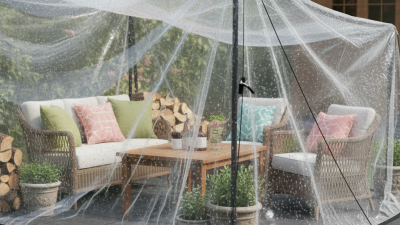
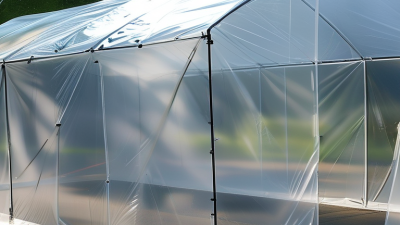
Waterproof Clear Tarpaulin has become essential for many applications. It offers transparency while providing strong protection against elements. For instance, growers utilize these tarpaulins to protect crops while allowing sunlight to penetrate. According to industry reports, 70% of greenhouse operators have adopted clear tarpaulin for their installations, highlighting its popularity.
However, challenges remain in sourcing high-quality products. Many buyers encounter variations in material durability and transparency across different suppliers. This inconsistency can lead to unsatisfactory experiences and financial losses. Therefore, it's vital for global buyers to thoroughly evaluate vendors and materials. Ensuring the right balance of quality and cost is crucial in achieving long-term satisfaction with Waterproof Clear Tarpaulin products.
Global Market Overview of Waterproof Clear Tarpaulins in 2026
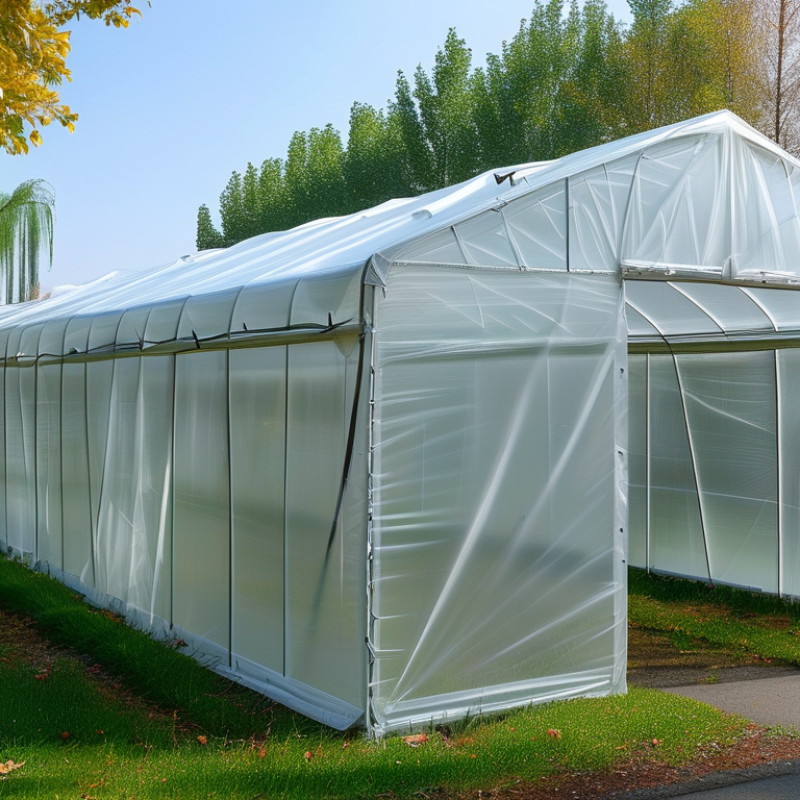
The global market for waterproof clear tarpaulins is evolving rapidly. By 2026, it's projected to reach a valuation of over $1.2 billion, according to recent industry reports. This increase is largely driven by rising demand in construction, agriculture, and outdoor events. Clear tarpaulins are preferred for their visibility and durability. They protect against rain while allowing light to pass through.
In 2025, North America accounted for nearly 35% of the market share. This region benefits from a robust construction industry and increasing outdoor activities. However, challenges remain. The market faces pressures from fluctuating raw material costs and environmental regulations. Moreover, alternative materials are emerging, posing competition. An analysis highlighted that while clear tarpaulins serve many purposes, their environmental impact remains a concern. Recycling and sustainable sourcing are gaining importance.
Companies must innovate to meet these demands. As the market matures, new technologies are integrating into manufacturing processes. This shift aims to enhance durability and reduce waste. Buyers should also consider these factors in their purchasing decisions. They need to balance quality and sustainability. The future landscape of the waterproof clear tarpaulin market will depend on adapting to these evolving trends.
Key Features and Specifications of Top Waterproof Tarpaulins
When choosing waterproof clear tarpaulins, understanding their key features is essential. These tarpaulins typically consist of materials like polyethylene or PVC, providing durability and resistance against weather elements. According to a report by Grand View Research, the global tarpaulin market is projected to grow due to increasing demand in construction and agriculture. Buyers are interested in UV protection, puncture resistance, and ease of handling, making these features paramount.
Weight is another critical factor. Some tarpaulins are lighter for easier transport, while heavier options provide enhanced strength. A common choice for many outdoor activities is a thickness of 0.20 mm to 0.35 mm, offering a balance between durability and flexibility. Transparent options not only allow visibility but also protect belongings from rain and wind. However, users should reconsider the longevity of these materials under intense sunlight.
When selecting your tarpaulin, remember to consider its intended use. For instance, a tarpaulin used for camping may require different specifications compared to one meant for construction sites. Consider also the importance of grommet spacing. Adequate spacing can ensure better tie-down security, yet some users overlook this detail. Make wise choices based on your specific needs to ensure satisfaction.
2026 Top Waterproof Clear Tarpaulin for Global Buyers
| Model |
Material |
Thickness (mm) |
Waterproof Rating |
Size (ft) |
UV Resistance |
Weight (lbs) |
| Model A |
Polyethylene |
0.5 |
2000 mm |
10 x 15 |
Yes |
4.5 |
| Model B |
PVC |
0.7 |
3000 mm |
20 x 20 |
Yes |
8.0 |
| Model C |
Vinyl |
1.0 |
5000 mm |
30 x 40 |
Yes |
12.0 |
| Model D |
Polyester |
0.4 |
1500 mm |
10 x 20 |
No |
6.5 |
Leading Manufacturers and Brands of Waterproof Clear Tarpaulins
The market for waterproof clear tarpaulins has grown significantly. Buyers seek materials that resist weather, UV damage, and tearing. Many manufacturers are responding with innovative solutions. They focus on producing tarpaulins that not only provide protection but also maintain visibility. This is essential for applications like event staging and construction sites.
Leading manufacturers focus on various materials and technologies. Some use reinforced polyethylene, while others explore PVC options. Each material has its strengths and weaknesses. Many products claim to withstand extreme conditions, but real-world testing is essential. Buyers should always check for certifications and reviews.
Understanding the differences among products is key. Some tarpaulins may excel in waterproofing but lack durability. Others might be clear but easily tear. It's important for consumers to weigh these factors carefully. A clear understanding of product specifications will enhance their purchasing decisions. Seeking expert opinions can also provide valuable insights.
Applications and Uses of Waterproof Clear Tarpaulins Worldwide
Waterproof clear tarpaulins are versatile tools for various industries. They are widely used in construction, agriculture, and events management. The global demand for these tarpaulins has surged, with the market projected to reach USD 6.09 billion by 2026, according to a recent industry report. This growth highlights their critical role in protecting goods and spaces from water damage.
In agriculture, clear tarpaulins serve multiple purposes. They provide greenhouse cover, shielding crops from harsh weather while allowing sunlight to nurture plant growth. Event planners use these tarpaulins for tents, ensuring guests stay dry during outdoor activities. A significant report indicated that over 40% of event organizers cite weather protection as a primary reason for using tarpaulins. This statistic underscores their importance in event logistics.
While their benefits are clear, users must consider maintenance. Regular cleaning and inspection are vital to ensure longevity. Tarpaulins can degrade under UV exposure over time. Users should check for signs of wear before each use. Proper storage, rolled rather than folded, helps maintain material integrity. Keeping these simple practices in mind can enhance their effectiveness and lifespan.
Future Trends and Innovations in Waterproof Tarpaulin Technology
Waterproof tarpaulins have evolved significantly in recent years. Innovations are focused on enhancing durability and functionality. New materials are being designed to resist UV rays, maximizing lifespan. The integration of antimicrobial coatings is becoming popular. This innovation protects against mold and mildew, especially in humid environments.
It's essential for buyers to consider their specific needs. Thickness, weight, and flexibility can affect performance. For short-term uses, a lightweight tarpaulin might suffice. For heavier applications, a thicker option may be necessary. Always check the seams. High-quality seams can prevent leaks during heavy rain.
Keep an eye on emerging technologies. Some manufacturers are experimenting with eco-friendly materials. These options can reduce environmental impact without sacrificing quality. Review industry trends regularly. Staying informed helps consumers make educated choices in a competitive market.

 +86 19005411400+86 15006803065
 Contact Phone
 Contact Email