2026 How to Choose the Best Artificial Grass for Your Lawn?
Choosing the right artificial grass for your lawn is essential. The options available are vast and can be overwhelming. Not all artificial grass is created equal. Some varieties may look great but lack durability. Others might feel nice underfoot but fade quickly in sunlight.
Quality matters when selecting artificial grass. A reliable product should withstand heavy foot traffic and resist weather damage. Look for reputable brands with proven track records. Customer reviews and expert recommendations can guide your choice.
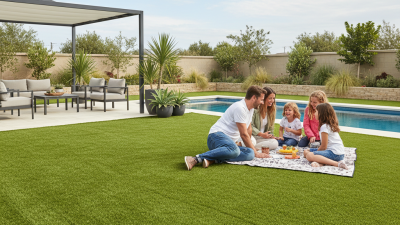
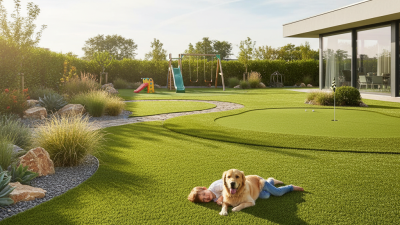
Consider the specific needs of your lawn. Will children play on it? Is there a pet to accommodate? Addressing these details can lead to a better fit. Reflect on the long-term implications of your decision. Choosing the right type now can save you time and money later. By evaluating options wisely, you can enhance your outdoor space beautifully.
Understanding the Types of Artificial Grass Available in 2026
When choosing artificial grass in 2026, it's crucial to understand the various types available. The market offers several options tailored to different needs. For instance, some grass types are designed for high-traffic areas, ideal for families with children and pets. This durability means they can withstand wear and tear while maintaining their appearance.
Another category focuses on aesthetics, resembling natural lawns closely. These options come in various colors and textures. Homeowners often favor them for their visual appeal. Yet, some may find these types require more maintenance to keep them looking fresh. It's essential to weigh the trade-offs between appearance and upkeep.
Lastly, some artificial grass is eco-friendly, made from recycled materials. These choices appeal to environmentally conscious consumers. However, the long-term durability can be questionable. Understanding these nuances helps in making an informed decision tailored to your lawn's specific needs.
Evaluating the Durability and Lifespan of Artificial Grass Options
When evaluating the durability and lifespan of artificial grass options, several factors demand attention. A recent industry report indicates that quality synthetic turf can last anywhere from 8 to 15 years. However, this lifespan heavily depends on usage and maintenance practices. For instance, residential lawns may experience less wear compared to commercial areas exposed to heavy foot traffic.
UV resistance is crucial for longevity. A study by the Synthetic Turf Council suggests that materials without proper UV protection may degrade faster. Choosing grass with adequate UV stability will maintain its color and texture over time, reducing the need for premature replacement. Additionally, surface infills, like silica sand or rubber, can enhance durability by reducing wear on the grass fibers.
It's worth noting that not all artificial grass meets the same standards. Some lower-quality options may appear appealing but often fall short in performance. Research indicates that identifying grass with a denser fiber count typically results in better durability. Investing in higher-quality products can lead to greater satisfaction and lower long-term costs, despite their higher initial price point. Selecting the right option requires careful consideration of these key attributes to ensure a resilient and enduring lawn.
Assessing Infill Materials: Importance and Performance in Artificial Turf
When selecting artificial grass for your lawn, infill materials play a crucial role. They affect not only the performance of the turf but also its longevity. According to a report by the Synthetic Turf Council, nearly 60% of artificial turf installations utilize various types of infill. These materials enhance the natural look and feel, making them essential for creating a realistic experience.
Different infill options are available, such as crumb rubber, sand, and organic materials. Crumb rubber provides excellent drainage and shock absorption, while sand can stabilize the turf and improve its overall durability. A study from the University of California found that the right infill can extend the lifespan of artificial lawns by up to 25%. However, not all options are equal. Some materials can degrade over time or retain heat, posing challenges in specific climates.
Understanding the importance of infill materials is vital for homeowners. Many do not realize that poor-quality infill can lead to issues like poor drainage or a reduced lifespan of the turf. It’s crucial to assess the performance characteristics of each option. Some newer materials may offer eco-friendly benefits, but their effectiveness needs more research. Balancing aesthetics, performance, and sustainability remains an ongoing challenge for consumers in this evolving market.
Analyzing Environmental Impact: Safety and Sustainability Factors
When selecting artificial grass, environmental impact plays a critical role. It's essential to consider materials used in production. Many synthetic turfs are made from polyethylene, which is recyclable but not biodegradable. According to the Synthetic Turf Council, around 90% of artificial turf is made from these plastics. This raises concerns about long-term sustainability.
Another point to consider is water usage. Artificial grass can significantly reduce water consumption. A report by the United States Geological Survey indicates that lawns can consume over 50% of municipal water supplies. Switching to artificial turf can save an average household up to 56,000 gallons per year. However, this benefit must be balanced against energy costs from manufacturing and potential heat retention in urban areas.
Safety is also paramount. Some synthetic grasses may contain heavy metals. Research published by the National Institute of Environmental Health Sciences found elements like lead and cadmium in lower-quality turfs. Choosing high-quality products verified by third-party testing can mitigate these risks. Overall, while artificial grass offers sustainable benefits, it’s crucial to weigh these against environmental trade-offs.
Calculating Cost vs. Benefits: Is Artificial Grass Worth the Investment?
When considering artificial grass, evaluating cost versus benefits is crucial. Artificial grass has a higher initial cost compared to natural grass. Installation can be expensive. However, long-term savings are significant. Maintenance costs, such as mowing, watering, and fertilizers, are eliminated. Your time spent on lawn care can also be reduced.
Environmental impact is another factor. Artificial grass conserves water. This can lower your utility bills, especially in dry areas. But, it may not provide the same ecological benefits as natural grass. For instance, it does not support local wildlife. This trade-off is worth reflecting on.
Durability is a key benefit of artificial grass. It withstands extreme weather conditions. Natural lawns may suffer from drought or heavy rainfall. While artificial options last longer, they can become faded or damaged over time. Regularly assessing the condition will ensure a worthwhile investment. Ultimately, the choice will depend on your priorities and lifestyle.
2026 How to Choose the Best Artificial Grass for Your Lawn? - Calculating Cost vs. Benefits: Is Artificial Grass Worth the Investment?
| Criteria |
Natural Grass |
Artificial Grass |
Cost Over 10 Years |
| Initial Installation Cost |
$1.00 - $3.00 per sq. ft. |
$5.00 - $7.00 per sq. ft. |
$1,000 - $3,000 (natural) vs. $5,000 - $7,000 (artificial) |
| Maintenance Costs Annually |
$500 - $1,000 |
$100 - $300 |
$5,000 - $10,000 (natural) vs. $1,000 - $3,000 (artificial) |
| Lifespan |
5-10 Years |
15-25 Years |
$5,000 - $10,000 (natural) vs. $5,000 - $7,000 (artificial) |
| Water Usage |
High |
None |
$4,000 - $6,000 (natural) over 10 years |
| Pest Control |
Frequent Treatments Required |
Minimal |
$1,000 - $2,000 (natural) vs. $200 - $500 (artificial) |

 +86 19005411400+86 15006803065
 Contact Phone
 Contact Email