Why Choose Sports Artificial Turf for Your Athletic Facility?
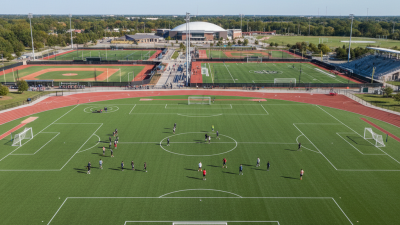
When considering the development of an athletic facility, many factors come into play. One crucial aspect is the choice of playing surface. Sports Artificial Turf has gained popularity for various reasons. This synthetic option offers consistent performance and durability compared to natural grass.
Athletic facilities must withstand heavy usage. Sports Artificial Turf can endure intense wear and tear. It requires less maintenance, allowing for more time to focus on training and competitions. However, not all artificial turfs are created equal. Choosing high-quality materials ensures safety and longevity.
While Sports Artificial Turf may present initial installation costs, the long-term benefits are significant. Facilities can reduce water usage and maintenance expenses over time. However, facility managers should weigh these benefits against potential drawbacks. This decision demands careful consideration and reflection on specific needs and goals.
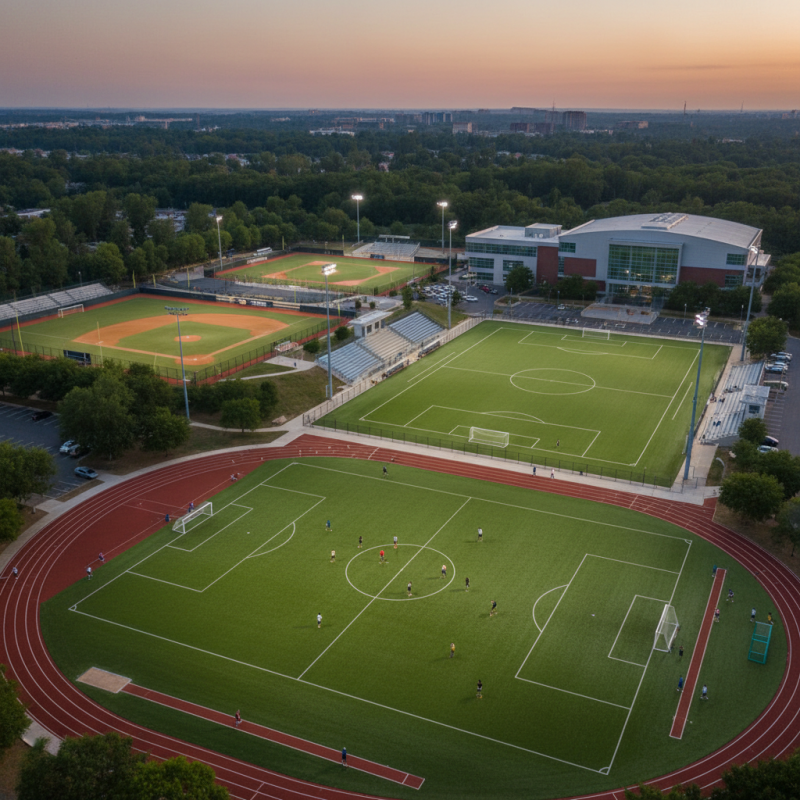
Benefits of Sports Artificial Turf for Athletic Facilities: A Comprehensive Analysis
Athletic facilities are increasingly adopting
sports artificial turf
due to its numerous benefits. Research shows that synthetic turf can reduce
injury rates by up to 60%,
providing safer playing surfaces for athletes. This substantial reduction is
crucial, especially for sports involving high physical contact. Facilities
gain a reliable surface that withstands various weather conditions, ensuring
consistent play.
Maintenance is another compelling factor. Natural grass requires significant
upkeep, while artificial turf typically needs less frequent maintenance.
According to a detailed report by the National Association of Sports Turf Managers,
facilities can save up to 50% on maintenance costs
with synthetic surfaces. This allows facilities to allocate funds to other
crucial areas, like coaching or equipment.
Tips for maximizing the benefits of synthetic turf include:
- Regular inspections
- Proper drainage systems to prevent water accumulation
- Ensure appropriate infill materials are used, enhancing safety and playing quality
- Periodically assess wear and tear to maintain optimal conditions
Balancing these factors leads to a more effective athletic environment.
Durability and Longevity of Artificial Turf Compared to Natural Grass
When considering the surface for athletic facilities, artificial turf stands out for its durability. Unlike natural grass, which can wear down quickly, synthetic turf is designed to withstand heavy foot traffic. It remains intact throughout various weather conditions. Many facilities see less downtime for maintenance, allowing athletes to practice and compete more often.
Tips: Regular maintenance can extend the life of your turf. Removing debris and ensuring proper drainage are key tasks. This prevents mold growth and drainage issues, both vital for an optimal playing surface.
Artificial turf also has longevity. It can last over a decade with proper care. Natural grass, by contrast, requires constant replanting and can be unpredictable. This inconsistency can frustrate athletes and coaches. In a competitive environment, reliable surfaces are essential for performance.
Tips: Invest in high-quality installation. A well-laid turf minimizes problems down the line. Evaluate usage patterns to decide when to perform maintenance. Keeping records of wear and tear can also assist in long-term facility planning. Teams thrive on dependable environments.
Cost-Effectiveness: Analyzing Maintenance Expenses Over Time
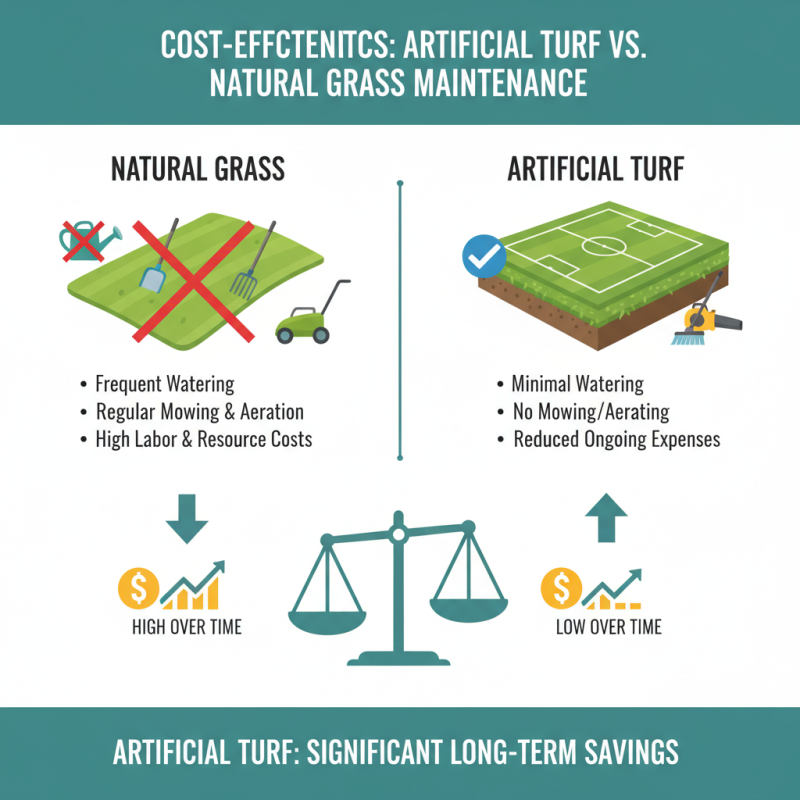
When considering artificial turf for athletic facilities, one significant aspect is maintenance costs. Over time, natural grass fields require frequent care, including watering, mowing, and aerating. These tasks demand resources, both in terms of time and money. In contrast, sports artificial turf significantly reduces these ongoing expenses.
The initial investment may be higher, but the long-term savings can be substantial. Artificial turf needs minimal upkeep, with no irrigation or fertilization. This translates into fewer labor hours and lower utility bills. Moreover, synthetic surfaces are durable and weather-resistant, which can extend their lifespan beyond that of natural grass.
However, it's crucial to recognize that not all artificial turf is created equal. Maintenance needs still exist, even with synthetic options. Regular cleaning and infill replacement may be necessary for optimal performance. Facilities must weigh these factors carefully. Sound decisions should be based on clear financial projections and realistic assessments of usage patterns. Balancing costs and benefits is essential for effective planning.
Player Safety and Performance: How Turf Enhances Athletic Outcomes
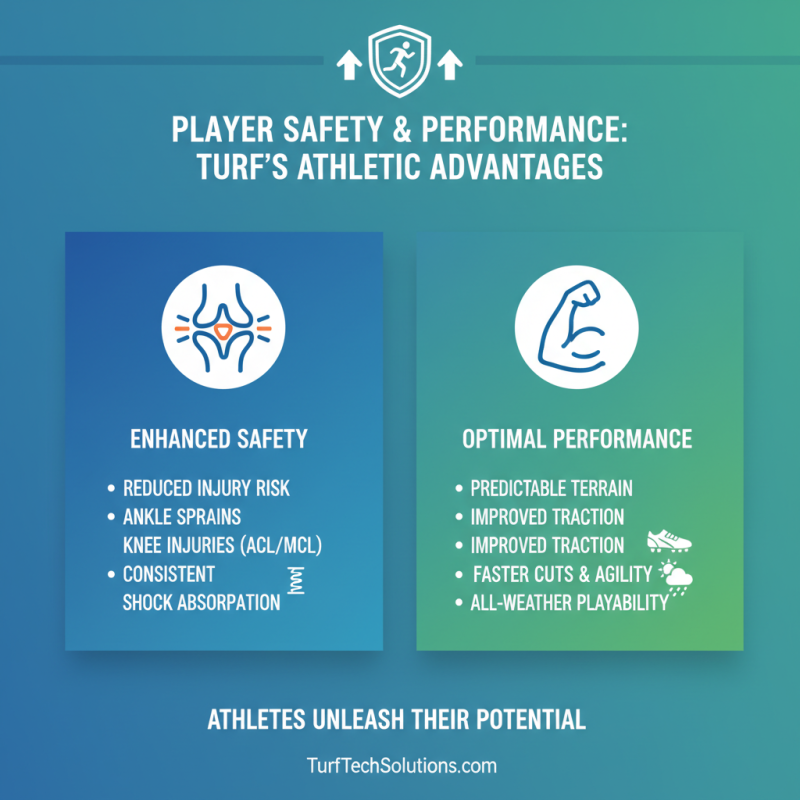
Artificial turf has become a significant consideration for athletic facilities. One of the primary reasons is player safety. Unlike natural grass, turf surfaces can reduce the risk of injuries like ankle sprains and knee injuries. The consistent texture and shock absorption properties of modern artificial turf play a crucial role in providing a safer playing environment. Players can perform at their best without fear of unpredictable terrain.
Moreover, turf can enhance performance levels. The surface allows for better traction and stability. This means faster sprints and more agile movements, crucial for sports like soccer and football. Athletes report that they feel more in control when competing on a reliable surface. Consistency is key; a reliable field can improve training outcomes and overall game performance.
Yet, not every turf is created equal. Some installations may lack proper drainage or appropriate infill materials. These factors can lead to poor performance and increased injury risks. It's vital for facility managers to invest time in researching and selecting high-quality turf options. Proper maintenance is also essential. While turf offers many benefits, neglect can quickly diminish its advantages. Careful consideration and ongoing evaluation can help maximize the benefits of artificial turf for athletes.
Environmental Impact: Sustainability of Sports Artificial Turf Solutions
The environmental impact of sports artificial turf is increasingly significant in athletic facility management. Research indicates that synthetic turf can conserve water by up to 90% compared to natural grass fields. This conservation is crucial, especially in drought-prone regions where water scarcity is a pressing issue. Moreover, synthetic surfaces eliminate the need for harmful pesticides and fertilizers, improving soil health and reducing chemical runoff into water systems.
However, it’s essential to consider potential downsides. The manufacture and disposal of artificial turf involve plastics, contributing to pollution. Some reports suggest millions of tons of used turf end up in landfills each year. This raises questions about the sustainability of certain products in the market. Not all artificial turfs are created equal; many lack recycle-friendly practices.
Recent advancements, such as infill made from recycled materials, show promise but require more widespread implementation. Awareness is necessary, as facility managers may prioritize short-term cost savings over long-term environmental impacts. The conversation surrounding sustainability in athletic facilities is evolving, but challenges remain. Balancing performance and ecological responsibility must be a priority moving forward.
Environmental Impact: Sustainability of Sports Artificial Turf Solutions

 +86 19005411400+86 15006803065
 Contact Phone
 Contact Email