Iquiry Now
Leave Your Message

What Is Rooftop Artificial Grass and Is It Worth It?

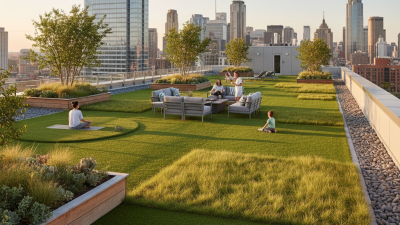
Rooftop Artificial Grass is becoming a practical option for terraces, balconies, and commercial roof decks. It creates a lawn-like surface without mowing, irrigation, or muddy footprints. Grand View Research valued the global artificial turf market at approximately USD 4.7 billion in 2023. It also forecasts continued growth through 2030. That momentum does not make every roof suitable.

Rick Doyle, a former Synthetic Turf Council executive, described synthetic turf as “a water-conservation tool, not a water source.” His point matters on rooftops. Artificial grass can reduce routine watering, but it cannot replace drainage design or waterproofing. A roof still needs a sound membrane, protective layers, drainage outlets, and safe edge detailing. The installation may also add considerable weight when water collects beneath the surface.

The U.S. Environmental Protection Agency reports that green infrastructure can reduce stormwater runoff and urban heat. Artificial grass offers fewer ecological benefits than living vegetation. It usually lacks habitat value and may become hot under direct summer sunlight. Some products also contain plastic backing and infill that require responsible disposal.

So, is Rooftop Artificial Grass worth it? Sometimes. It can suit a private terrace where visual appeal, low maintenance, and regular foot traffic matter. It may disappoint on a poorly drained roof or an exposed, scorching deck. Measure the structure first. Check the roof warranty. Request product testing for UV stability, drainage, and surface temperature. The attractive lawn is only the visible layer. The hidden system decides whether the investment succeeds.
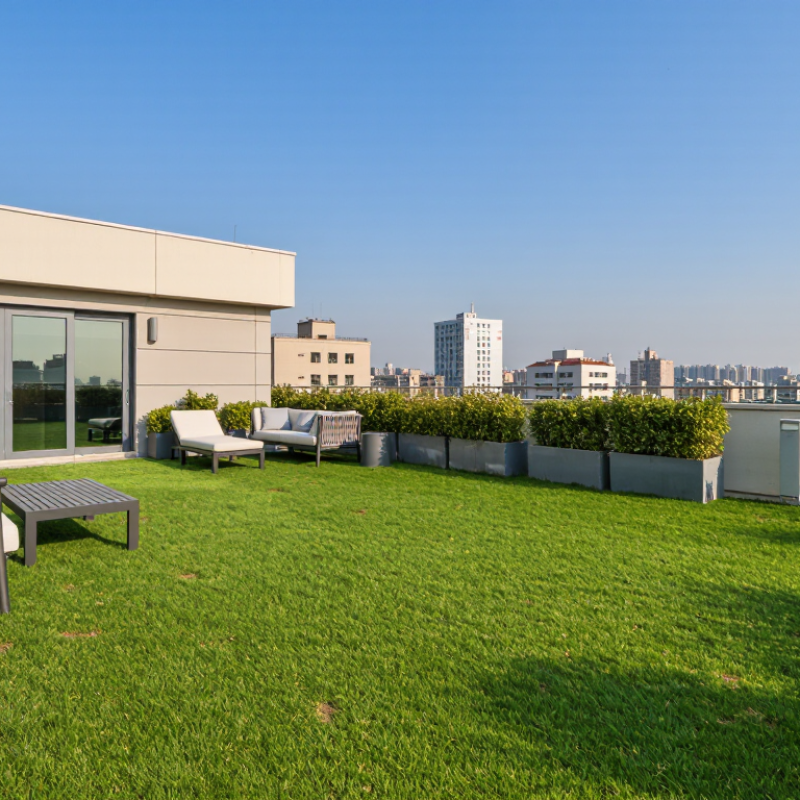
What Is Rooftop Artificial Grass and Is It Worth It?

What Rooftop Artificial Grass Is and How It Works

Rooftop artificial grass is a synthetic turf system installed above a building. It is not ordinary carpet placed outdoors. Most systems contain plastic grass blades, a stable backing, drainage layers, and protective pads. These layers sit above the roof membrane, which must remain watertight and accessible. The protective pad reduces abrasion and spreads foot traffic across the surface. Drainage channels guide rain toward roof outlets instead of trapping water underneath. That detail is easy to overlook.

Unlike living grass, artificial turf does not grow, root, or require soil. Its blades remain upright through shaped plastic fibers and flexible backing. Perforations allow rainwater to pass through, while the roof system carries water away.

Qualified roofing professionals should check load capacity, membrane condition, drainage, and wind exposure before installation. On a warm afternoon, the surface can become noticeably hotter than nearby paving. A lighter color, shade structure, or cooling rinse may improve comfort. I would not call it maintenance-free.

Leaves, dust, and pet waste still require regular removal. Loose edges can also create problems during strong winds if installation is careless. Removable turf sections help technicians inspect outlets and repair the membrane later. The investment may suit a roof terrace, play area, or small seating space needing a green appearance without mowing. However, poor drainage or excessive weight can make the surface unsuitable, even when the finished view looks attractive.
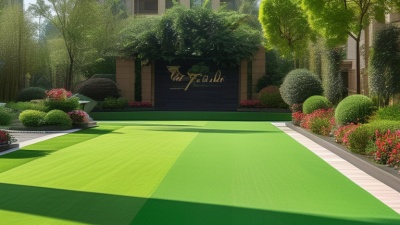
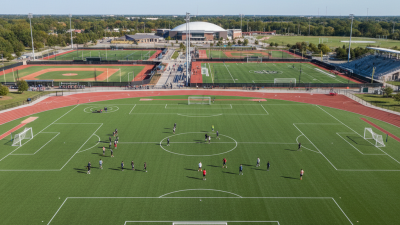
Key Materials and Structural Requirements for Rooftop Installation

What Is Rooftop Artificial Grass and Is It Worth It?

Rooftop artificial grass is a layered system, not simply turf placed over a roof. Its surface usually uses UV-stabilized polyethylene or polypropylene yarns, a latex-backed membrane, seam tape, and optional infill. Beneath it, installers may add a protection mat, drainage layer, geotextile fabric, and root-resistant waterproofing. Every layer adds weight and affects water movement.

Structural checking must come before appearance. ASCE 7-22 lists 20 pounds per square foot as a common minimum roof live load, while roof gardens can require 100 pounds per square foot. These figures are design references, not automatic approval for artificial turf. A drainage mat can hold trapped water after heavy rain. Infill can also become surprisingly heavy. The roof engineer should review dead load, foot traffic, wind uplift, ponding, parapet height, and maintenance access. Local building codes may impose stricter requirements.

The National Roofing Contractors Association stresses that waterproofing remains the primary roof function. A single puncture under turf may stay hidden for weeks. ASTM F1292 is relevant when the surface supports recreational play, especially where impact protection matters. In practical inspections, loose edges and blocked drains are frequent weak points. I would not treat a lightweight system as risk-free. That assumption needs questioning. Designers should request tested weights, drainage rates, fire classifications, and warranty conditions before installation. Periodic inspections should follow storms, repairs, and unusual surface movement.

What Is Rooftop Artificial Grass and Is It Worth It?

Representative additional dead-load allowances for a rooftop artificial grass system. Actual values vary by turf backing, drainage design, infill depth, retained water, and local structural requirements.

A typical system may include artificial turf, a protective underlay, a drainage layer, optional infill, and temporary or retained water. Before installation, a qualified professional should verify the roof’s allowable dead load, drainage paths, waterproofing condition, wind uplift resistance, access routes, and edge restraint. Water weighs approximately 1 kg per square metre for every 1 mm of retained depth.

How Rooftop Artificial Grass Is Installed Step by Step

Rooftop artificial grass can turn a hard, unused roof into a softer outdoor space. Its value depends on more than appearance. The roof must safely support the added materials, furniture, people, and water. A qualified roofing professional should inspect the structure, waterproofing, drainage, and local building requirements before installation begins.

Installation starts with accurate measurements and a careful surface inspection. Workers remove loose debris, sharp objects, and standing water. They repair damaged waterproofing before adding a protective drainage layer. This layer helps water move toward existing outlets instead of collecting beneath the grass. Edge restraints are then fixed around the perimeter, especially near roof drains and exposed corners.

The turf is rolled out and allowed to relax, often for several hours. Workers cut it with a sharp knife, leaving a small allowance at the edges. Seams are aligned carefully over joining tape and secured with suitable outdoor adhesive. The grass should not block drains. Afterward, installers spread clean infill evenly and brush the fibers upright with a stiff broom. The surface needs another inspection after rain and strong wind. Small problems show quickly. I would not treat installation as a purely cosmetic project. Poor drainage, trapped moisture, or loose edges can shorten the roof’s life. The result may look simple, but the details decide whether rooftop grass is genuinely worthwhile.

Benefits and Potential Drawbacks of Rooftop Artificial Grass

What Is Rooftop Artificial Grass and Is It Worth It?

Rooftop artificial grass creates a lawn-like surface without soil, mowing, or regular irrigation. It can turn a bare roof terrace into a softer, more usable outdoor room. The visual change is immediate. Green fibers soften concrete, while a stable surface supports seating, children’s play, and light recreation.

Its main benefit is low routine maintenance. It needs no mowing and usually requires brushing, rinsing, and occasional debris removal. Good drainage matters most. A properly designed system lets rain pass through the backing and protects the waterproofing layer below. It can also reduce glare and make a roof feel less harsh on sunny days. Yet artificial grass is not naturally cool. Fibers may become very hot under direct summer sun, especially without shade. Nearby dark surfaces can intensify that heat.

Weight deserves careful attention. Grass, underlay, drainage mats, furniture, and trapped water may load the roof significantly. A qualified building professional should check structural capacity and waterproofing before installation. Poor detailing can hide leaks until repairs become expensive. Wind uplift is another concern on exposed buildings. Loose edges are not a minor flaw.

There are environmental compromises, too. Artificial turf uses synthetic materials and eventually requires disposal. It does not support insects like living plants. I would not treat it as a perfect green solution. A roof that looks finished may still need inspection after the first heavy storm.

Cost, Maintenance, Safety, and Long-Term Value Factors

What Is Rooftop Artificial Grass and Is It Worth It?

Rooftop artificial grass is a synthetic surface installed above a waterproof roof assembly. It creates a soft, green area without soil, mowing, or regular irrigation. The system usually includes drainage layers, protective padding, grass rolls, and secure edge restraints. A professional inspection should confirm the roof’s load capacity and membrane condition. Water must move freely beneath the surface. Blocked drains can cause expensive damage.

Costs vary widely by roof access, surface preparation, drainage needs, and installation difficulty. Materials may seem affordable, but hoisting rolls upstairs can raise labor costs quickly. My first rough estimate would probably miss those access charges. Maintenance is lighter than natural turf, not absent. Remove leaves, rinse dusty fibers, brush flattened areas, and inspect seams after severe weather. Standing furniture can also crush the pile.

Safety deserves careful attention. Dark synthetic fibers may become very hot under direct summer sunlight. A lighter surface, shade, and clear walking paths can reduce discomfort. The installer should assess wind uplift, slip resistance, fire performance, drainage, and fall protection requirements. These details depend on the building and local standards. Long-term value improves when the roof is used often, such as for seating or quiet recreation. It may disappoint if the area stays empty. Replacement timing also depends on sunlight, foot traffic, cleaning habits, and installation quality. The surface can look natural from a distance, but close inspection may reveal seams and fading.

What Is Rooftop Artificial Grass and Is It Worth It? - Cost, Maintenance, Safety, and Long-Term Value Factors

Typical U.S. planning ranges for rooftop artificial grass. Actual requirements and pricing vary by roof design, location, access, materials, and local regulations.
Factor Typical Data or Range What It Means Planning Considerations
What it is Synthetic turf installed over a roof deck, terrace, balcony, podium, or rooftop amenity area. It provides a green-looking, usable surface without soil, mowing, or regular irrigation. The system normally includes turf, a drainage layer, protective padding or matting, edging, and sometimes infill or ballast.
Installed cost Approximately $10–$25 per square foot for many rooftop installations. A 500-square-foot rooftop area may therefore require roughly $5,000–$12,500 before unusual structural or access work. Drainage upgrades, freight, cranes, difficult access, custom edges, waterproofing repairs, and permits can increase the total substantially.
Material-only cost Often about $3–$8 per square foot for turf, excluding rooftop preparation and installation. The visible turf is only one part of the complete rooftop system. Compare pile height, backing, drainage performance, UV resistance, fire classification, warranty terms, and expected traffic.
Expected service life Approximately 8–15 years in many rooftop applications; heavy use and intense sun may shorten the period. Replacement is usually a long-term capital expense rather than an annual expense. Direct exposure to ultraviolet radiation, heat, foot traffic, furniture, and standing water can accelerate wear.
Routine maintenance Usually light maintenance: remove debris, rinse when needed, brush flattened fibers, and inspect seams and edges. It eliminates mowing, fertilizing, and most irrigation, but it is not maintenance-free. A practical schedule is visual inspection monthly and a more thorough cleaning at least two to four times per year.
Annual maintenance cost Commonly about $0.20–$1.00 per square foot per year, depending on cleaning, pet use, and access. A 500-square-foot area may cost approximately $100–$500 per year for routine care. Professional deodorizing, seam repairs, infill redistribution, and specialist access may cost extra.
System weight Turf commonly weighs about 1.5–3.0 pounds per square foot dry; drainage layers, pads, and infill add more. The total dead load can be materially higher than the turf alone. A structural engineer should verify both permanent loads and temporary loads from people, furniture, stored materials, and maintenance equipment.
Water and drainage The surface should drain through the backing and drainage layer without blocking roof drains or scuppers. Poor drainage can cause odors, algae, freeze damage, leaks, and deterioration of roof components. Maintain clear drainage paths and provide inspection access to roof drains, flashing, penetrations, and expansion joints.
Roof membrane protection A compatible protection layer is normally required between the turf system and the waterproofing membrane. Protection helps reduce puncture, abrasion, and concentrated wear from furniture or foot traffic. Confirm compatibility with the existing roof warranty and avoid cutting, fastening, or penetrating the membrane without approval.
Surface temperature Artificial turf can become significantly hotter than surrounding air in direct sun; dark surfaces may exceed 150°F on hot days. The surface may be uncomfortable or unsafe for bare feet, children, pets, and prolonged occupancy during peak heat. Use shade, light-colored furnishings, hydration, and controlled rinsing where permitted; test surface temperature before use.
Slip and fall safety Slip resistance depends on the turf backing, drainage, slope, footwear, surface contamination, and whether the surface is wet. Turf does not replace guardrails, compliant stairs, edge protection, or fall-arrest planning. Keep walking routes even, secure loose edges, control moss and algae, and follow applicable building and safety codes.
Fire performance Fire behavior varies by the complete roof assembly, not just the grass fibers. Some rooftop applications require documented fire testing or an approved assembly. Request relevant fire-classification documentation and check local requirements before installation.
Pet and odor management Pet use may require frequent waste removal, enzyme cleaning, rinsing, and odor control. Without adequate drainage and cleaning, urine salts and organic debris can create persistent odors. Choose a system designed for animal use and confirm that cleaning water can drain legally and safely from the roof.
Water savings Regular irrigation is generally unnecessary, except for cleaning, cooling, or odor management. Compared with living turf, water demand can be greatly reduced. Artificial grass does not provide the same habitat, carbon uptake, or cooling benefits as healthy living vegetation.
Heat-island performance Artificial turf can reduce the need for irrigation but may remain hot because it does not cool through plant transpiration. It should not automatically be treated as equivalent to a planted green roof. For cooling and biodiversity, combine turf with shade structures, planters, or suitable living vegetation where the roof can support them.
Long-term value Most valuable when the goal is a low-irrigation, visually consistent, usable rooftop surface with predictable upkeep. The investment may be worthwhile for amenity value, appearance, and reduced landscape labor, but financial payback is not guaranteed. Before proceeding, compare installation, maintenance, cleaning, replacement, structural review, and roof-access costs over a 10–15 year period.