10 Tips for Choosing Outdoor Artificial Grass for Your Garden?
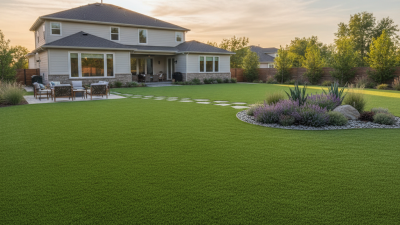
When considering a perfect look for your garden, Outdoor Artificial Grass offers a striking solution. This synthetic turf can provide a lush, green space with minimal maintenance. Choosing the right type may seem daunting, but with the right tips, it can become straightforward.
Pay attention to the texture and shade of the grass. Selecting something that mimics natural grass enhances the aesthetics of your garden. Additionally, consider the durability of the product. Not all artificial turf is made alike; some may wear down faster. Researching brands with a good reputation can make a significant difference. It’s essential to depend on reviews and expert recommendations for reliable choices.
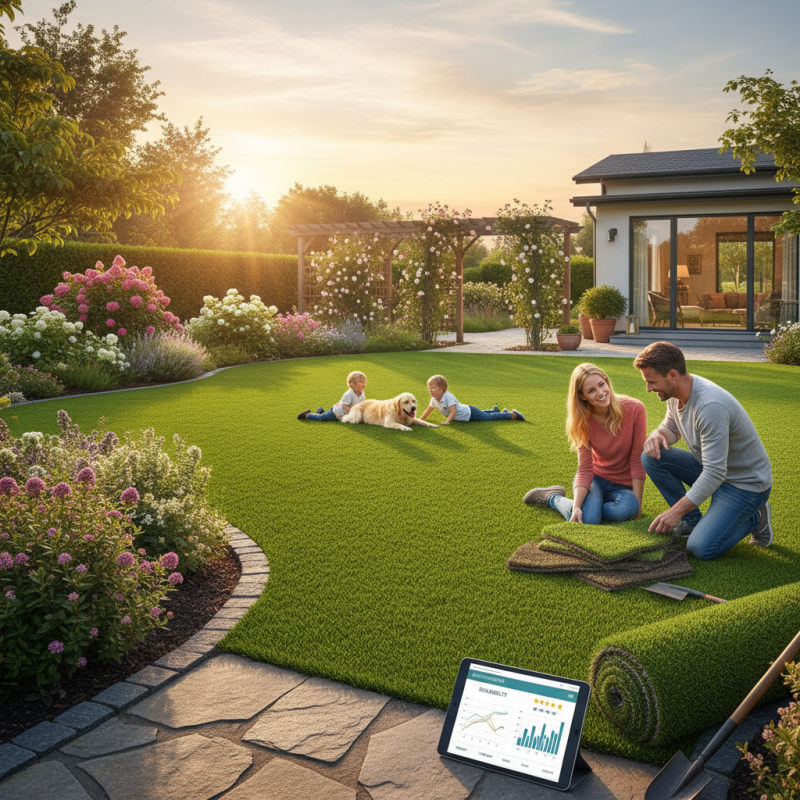
Your garden's use also matters. If you have pets or active children, you may need a more resilient type of Outdoor Artificial Grass. Remember that investing time in research now can save you frustrations later. Understanding your specific needs and preferences will guide your decision. Being aware of potential pitfalls, such as pricing and quality variations, is crucial for a successful selection.
Factors to Consider When Selecting Outdoor Artificial Grass
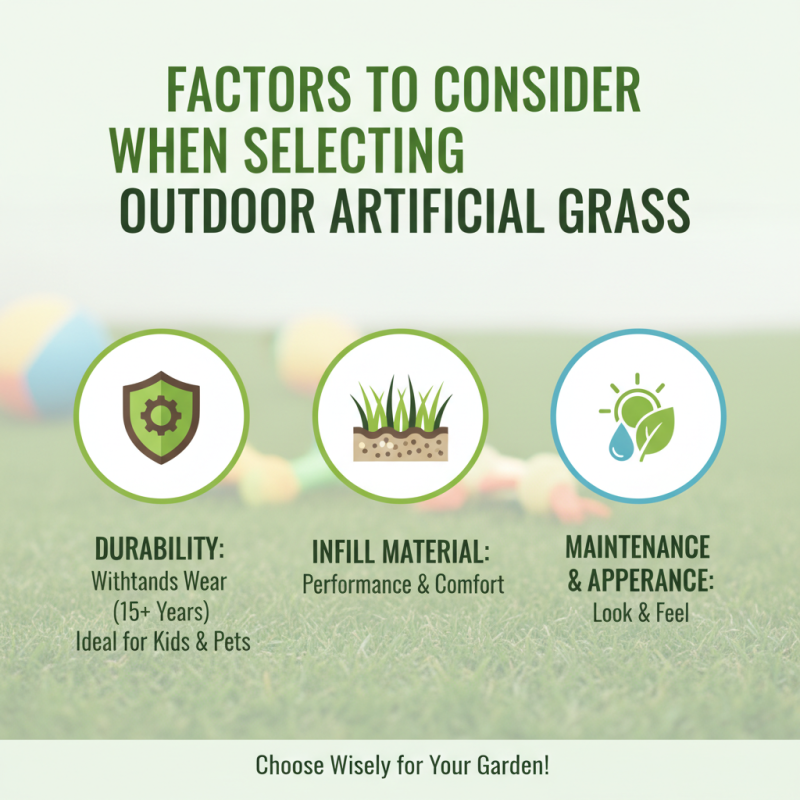
When selecting outdoor artificial grass, several factors should be considered to ensure a suitable choice for your garden. Durability is crucial. According to industry reports, high-quality synthetic turf can withstand significant wear, often lasting over 15 years. This is particularly important for families with children and pets who frequently use outdoor spaces. The infill material used also plays a vital role in performance and comfort.
The grass's UV resistance is another critical factor. Poor UV stability can lead to fading and degradation. Studies show that UV-protected artificial grass retains its color and integrity better, enhancing curb appeal and usability. Pile height and density significantly impact the aesthetic and tactile experience. A taller, denser grass can mimic natural lawns more closely, providing both beauty and resilience.
Cost considerations must be balanced with these qualities. Low-cost options may save money upfront but can result in more frequent replacements. Research indicates that investing in premium grass can lead to lower long-term expenses due to durability. It's essential to weigh these factors against personal needs and garden conditions. Taking time to explore various options can lead to a more satisfying outdoor environment.
Different Types of Outdoor Artificial Grass Available
When selecting outdoor artificial grass, understanding the different types available is key. There are various materials used in artificial turf, each with distinct characteristics. Polyethylene is popular for its soft texture and realistic appearance, making it suitable for gardens and play areas. Meanwhile, polypropylene is less expensive but not as durable. This plastic can wear down quickly under heavy foot traffic. A recent industry report from The Turf Grass Council highlighted that over 60% of homeowners choose polyethylene for residential lawns.
Another crucial factor is the pile height and density. Taller grass (around 30 mm) mimics a more natural lawn look. However, it may require more maintenance. Denser grass can withstand harsh weather, providing year-round usability. Some studies indicate that grass with a higher density retains its shape better, especially in high-use areas. Buyers should consider these factors collectively to ensure their investment lasts. With artificial grass, aesthetics and durability go hand in hand, but the right type varies with individual needs.
Customization is also important. Components like infill material impact performance and feel. Infill materials can include rubber or sand, affecting drainage and cushioning. Many reports suggest that consumers often overlook this aspect. A more thoughtful approach could enhance comfort and longevity. Not all artificial grass suits every garden type, and this diversity calls for careful assessment. Consider the specific requirements of your space before making a choice.
10 Tips for Choosing Outdoor Artificial Grass for Your Garden
This bar chart illustrates the factors to consider when choosing outdoor artificial grass, including Durability, Installation Cost, Visual Appeal, Maintenance, and Warranty. Each factor is rated on a scale from 1 to 10 based on general preferences.
Evaluating the Durability and Maintenance of Artificial Grass
When considering outdoor artificial grass for your garden, durability is a key factor. High-quality materials can stand up to the wear and tear of foot traffic. Look for grass that has strong UV resistance, as sunlight can degrade lesser options. The color may fade over time, so select shades that will maintain their appearance for longer periods. Installing products designed for your specific climate can enhance longevity.
Maintenance is another essential aspect to consider. Artificial grass generally requires less upkeep than natural options. However, regular cleaning can help keep it looking fresh. Debris, leaves, or pet waste should be removed frequently. Even the best grass can develop odors if not properly cared for. Occasionally rinsing the surface can also prevent dust buildup. Evaluate how much time you're willing to invest in maintaining your garden before making a choice. A little reflection on your landscape preferences can go a long way.
10 Tips for Choosing Outdoor Artificial Grass for Your Garden - Evaluating the Durability and Maintenance of Artificial Grass
| Tip |
Description |
Durability Rating (1-5) |
Maintenance Level (Low/Medium/High) |
| 1. Material Quality |
Choose grass made from high-quality materials for better durability. |
5 |
Low |
| 2. UV Stability |
Opt for UV-resistant options to prevent fading. |
4 |
Medium |
| 3. Drainage Features |
Ensure good drainage to prevent pooling water. |
5 |
Low |
| 4. Pile Height |
Consider pile height for a natural look and feel. |
3 |
Medium |
| 5. Warranty |
Check the manufacturer's warranty for assurance. |
5 |
Low |
| 6. Cost Effectiveness |
Balance cost with quality for the best investment. |
4 |
Medium |
| 7. Installation Process |
Research installation options for easier setup. |
3 |
High |
| 8. Foot Traffic Tolerance |
Choose grass that can withstand heavy foot traffic. |
5 |
Medium |
| 9. Environmental Impact |
Look for eco-friendly options to minimize footprint. |
4 |
Low |
| 10. Color and Texture |
Select a color and texture that complements your garden. |
3 |
Medium |
Understanding the Environmental Impact of Artificial Grass
The environmental impact of artificial grass is a crucial factor in the decision-making process for garden enthusiasts. While it eliminates the need for water, fertilizers, and pesticides, the production and disposal of synthetic materials pose their own challenges. Many artificial grass products are made from petroleum-based materials, which raise concerns about carbon emissions and resource depletion.
The lifespan of artificial grass can reach 10 to 15 years, but its disposal remains an issue. Unlike natural grass, it does not decompose and may end up in landfills, contributing to long-term waste. Some manufacturers are beginning to explore recycling options, but these processes are not yet widespread or fully effective.
It's essential to consider the local climate when choosing artificial grass. In hotter areas, the surface can heat up significantly, potentially increasing energy usage for cooling. Additionally, you must think about the habitat disruption it may cause in your garden. Native plants and wildlife can experience negative effects.
Balancing aesthetics with ecological responsibility remains an ongoing conversation within the gardening community.
Cost Considerations for Installing Outdoor Artificial Grass
When considering outdoor artificial grass for your garden, cost is a significant factor. The initial investment varies depending on the quality and density of the grass. Lower-priced options might save you money upfront, but they often lack durability. This could lead to more frequent replacements, increasing long-term costs.
Another important aspect is installation expenses. Professional installation ensures a proper setup, which is vital for longevity. DIY installation seems economical, but mistakes can lead to additional costs. Over time, poorly installed grass can result in drainage issues or uneven surfaces. These problems are often overlooked until after the installation is complete.
You should also consider maintenance costs. While artificial grass requires less upkeep than natural grass, it’s not maintenance-free. Regular cleaning to remove debris can extend its lifespan. Additionally, infill materials or special cleaning products may be necessary, adding to your expenses. Evaluating these factors carefully will lead to informed decisions about your garden project.

 +86 19005411400+86 15006803065
 Contact Phone
 Contact Email