Iquiry Now
Leave Your Message

Top 10 Pet Artificial Grass Suppliers for Global Buyers?

Choosing the right Pet Artificial Grass supplier is not simply a price comparison. Global buyers must examine drainage, pile height, backing quality, infill design, UV resistance, and after-sales support. A lawn that looks dense in photographs may retain odors when drainage is weak. A cheaper roll may also flatten quickly under active dogs.

Turfgrass scientist Dr. Brian Whitlark offers a practical principle: “The best turf is the turf that fits the site and its intended use.” That idea matters for pet areas. A small balcony needs different performance from a large kennel or public dog park. Climate matters too. Heavy rain, intense sunlight, freezing temperatures, and coastal air can expose weak materials quickly.

This guide compares ten Pet Artificial Grass suppliers serving international buyers. It considers product construction, pet-friendly features, manufacturing capacity, customization, certifications, warranty terms, and communication reliability. Samples should be requested before any large purchase. Ask suppliers to demonstrate drainage, inspect backing seams, and explain odor-control methods clearly.

No supplier is perfect. Some offer excellent materials but limited export experience. Others communicate well yet provide fewer customization options. Rankings can also change as factories, pricing, and product lines develop. That uncertainty deserves attention.

The goal is not to promote one universal winner. It is to help buyers match supplier strengths with actual project conditions. Careful evaluation can reduce replacement costs, installation problems, and disappointed pet owners. The final decision should follow evidence, not attractive catalog images alone.
Top 10 Pet Artificial Grass Suppliers for Global Buyers?

What Is Pet Artificial Grass and Why Do Global Buyers Need It?

Pet artificial grass is synthetic turf designed for animals, especially dogs. It usually combines polyethylene or polypropylene blades with a perforated backing. The openings let urine pass into a drainage layer or prepared sub-base. Some products also use antimicrobial treatments and odor-control infill.

Practical installation matters more than appearance. A reliable surface needs strong drainage, rounded fibers, stable seams, and enough cushioning for active pets. I have found that low-pile turf is easier to rinse and clean than dense, decorative landscaping turf. It should also tolerate claws, repeated washing, and strong sunlight. No surface is maintenance-free. That claim deserves skepticism.

Global buyers need these systems because pet ownership is expanding in urban housing. The American Pet Products Association reported that 66% of U.S. households owned a pet in its 2023–2024 survey. FEDIAF’s 2024 facts and figures reported 139 million pet-owning households across Europe. These figures support demand for compact, hygienic outdoor areas.

Artificial grass can reduce mud, brown patches, and daily mowing. It also supports balconies, kennels, daycare centers, and small commercial courtyards. Buyers should request drainage tests, UV-resistance data, material declarations, and cleaning instructions. Local rainfall changes the correct base design. Regulations and waste-water rules also vary between countries. Cost comparisons should include installation and long-term washing, not only the roll price. Mistakes happen when buyers judge turf by color alone. EPA-related research on urban stormwater also reminds us that drainage performance depends on the entire surface system, not just the grass layer.
How to Evaluate Pet Artificial Grass Suppliers and Product Quality

When comparing the top 10 pet artificial grass suppliers, do not judge quality from photographs alone. Request a full sample with backing, yarn, infill, and drainage layers. Rub the surface firmly. Check whether fibers recover after pressure. A good pet surface should feel soft, yet remain stable under repeated use.

Ask suppliers for technical data on yarn density, pile height, UV resistance, drainage speed, and backing strength. Pour measured water onto the sample and observe how quickly it disappears. A strong drainage system reduces puddles and lingering odors. Also ask how the product handles pet waste, cleaning agents, and frequent rinsing. Clear answers matter.

Supplier reliability needs separate testing. Check production capacity, quality-control records, packaging methods, and response times. Request recent inspection reports, not only attractive certificates. A trustworthy supplier should explain product limits honestly. For example, heavy traffic may flatten some fibers over time. No supplier is flawless. I would treat vague promises as a warning, even when the price seems competitive. Confirm sample quality against mass-production terms, because a perfect sample can hide inconsistent manufacturing. Small details matter, especially edge finishing and backing uniformity. A short trial installation can reveal drainage problems that laboratory figures miss.

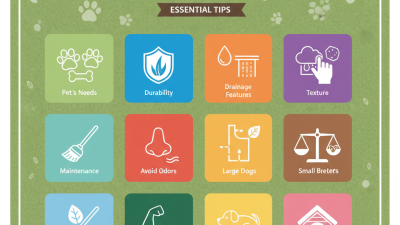
How to evaluate pet artificial grass suppliers: Product safety, drainage performance, durability, odor-control design, installation support, warranty coverage, and technical documentation are key purchasing dimensions for global buyers. The percentages represent a practical procurement weighting model and can be adjusted for project requirements.

Top 10 Pet Artificial Grass Suppliers for International Buyers

Top 10 Pet Artificial Grass Suppliers for International Buyers

International buyers need more than a green surface and a low quotation. A reliable supplier should explain pile height, yarn type, backing layers, drainage performance, and UV resistance clearly. For pet areas, fast drainage matters because trapped moisture can create unpleasant odors. Look for products with perforated backing and tested water flow rates. Ask for a physical sample before approving a large order. It reveals stiffness, color variation, seam visibility, and surface temperature better than photographs.

The top ten suppliers should also provide consistent technical documents. Request test reports, installation instructions, cleaning guidance, packaging details, and product warranty terms. Export experience is useful, but it does not replace evidence. Check whether the supplier can provide stable batch quality and accurate roll dimensions. A small difference in width can increase labor costs during installation.

Confirm the loading port, shipping terms, carton protection, and replacement policy for damaged goods.

Pet owners will notice practical details quickly. Grass should feel soft under paws but resist flattening near feeding areas. A sample test with water, mild cleaner, and routine brushing can expose weaknesses. I would also ask about odor control, although marketing language is sometimes vague. No supplier is perfect. One may offer better drainage but fewer color choices. Another may respond quickly yet provide weak documentation. Buyers should record these trade-offs instead of trusting polished sales messages. Local climate, animal size, and cleaning habits still influence the final choice.

How to Compare Prices, Certifications, Shipping, and Customization Options

Top 10 Pet Artificial Grass Suppliers for Global Buyers?

Price comparisons should begin with landed cost, not the catalog figure. Grand View Research values the global artificial turf market at approximately USD 3.9 billion in 2023. Demand is expanding, but low prices can hide weak backing, poor drainage, or expensive freight. Request a quotation showing roll dimensions, weight, minimum order quantity, Incoterms, insurance, and destination charges. A USD 5 roll may become costly after port handling and inland delivery. My first comparison was too simple.

Certifications require practical checking. ISO 9001 indicates quality management, but it does not prove pet safety. Ask for recent laboratory reports covering heavy metals, restricted chemicals, odor, UV resistance, and drainage performance. Where relevant, request REACH or RoHS compliance evidence. The American Pet Products Association reported US pet industry spending of USD 152 billion in 2024, showing why safety claims deserve careful verification. Certificates should match the factory, product code, and production date.

Customization can improve usability, but it also affects price and lead time. Compare pile height, yarn shape, density, backing strength, drainage-hole spacing, color, edge binding, and antimicrobial treatment. Ask for a physical sample. Small details matter when urine must drain through compact soil. Shipping samples by air helps inspection, while full rolls usually move by sea. I would also request a replacement policy for crushed rolls or color variation. Supplier rankings can help, but independent testing remains more reliable.

What Should Buyers Check Before Placing a Bulk Order?

When comparing the top ten pet artificial grass suppliers, buyers should inspect more than catalog photos. Request a physical sample with the same pile height, backing, and yarn specification as the bulk order. Check drainage speed by pouring measured water onto the surface. Slow drainage may create odor and cleaning problems in busy pet areas.

Ask for test reports covering UV resistance, tensile strength, color stability, and material safety. Do not accept vague claims such as “premium quality.” Confirm the production tolerance for roll width, pile weight, and backing thickness. A small variation can become expensive across thousands of square meters. Review the supplier’s factory capacity, quality-control process, packaging method, and replacement policy. Clear documents matter more than impressive sales language.

Tips: Compare at least three written quotations. Check minimum order quantity, sample fees, lead time, payment terms, and shipping conditions. Request recent production photos or arrange an independent inspection before shipment. Keep all specifications in the purchase contract. One overlooked detail is often the carton size, which can increase freight costs sharply. I have also seen buyers focus too heavily on price and regret weak backing later. That judgment can be understandable, but it needs more testing. A short warranty is not automatically poor, yet unclear exclusions should raise questions. Suppliers should answer directly, especially about batch consistency and post-delivery support.