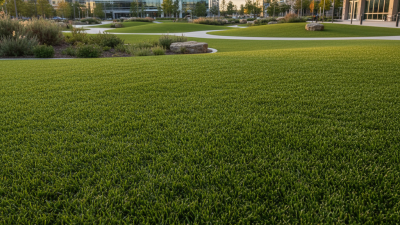
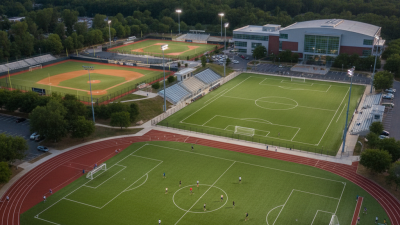
Top 10 Benefits of Commercial Artificial Grass You Should Know?
The demand for Commercial Artificial Grass has surged in recent years, due to its numerous benefits. According to a report from the Synthetic Turf Council, the market for artificial turf is projected to reach $5.4 billion by 2025. This growth reflects the increasing awareness of sustainable landscaping solutions and maintenance efficiency.
John Smith, an industry expert and president of Green Turf Solutions, emphasizes the value of this product. He states, "Commercial Artificial Grass not only saves water but also reduces maintenance costs significantly." This aligns well with current environmental concerns, as many businesses seek eco-friendly alternatives to natural grass. With water scarcity becoming a critical issue in many regions, implementing artificial grass can be a practical, long-term solution.
However, the investment in Commercial Artificial Grass should be considered carefully. While the upfront costs may be higher than natural options, the long-term savings are substantial. It's essential to evaluate your specific needs and situation. Choosing the right product involves research and often rethinking traditional landscaping practices. This shift can bring about positive changes but may also require a degree of adjustment from consumers used to natural lawns.
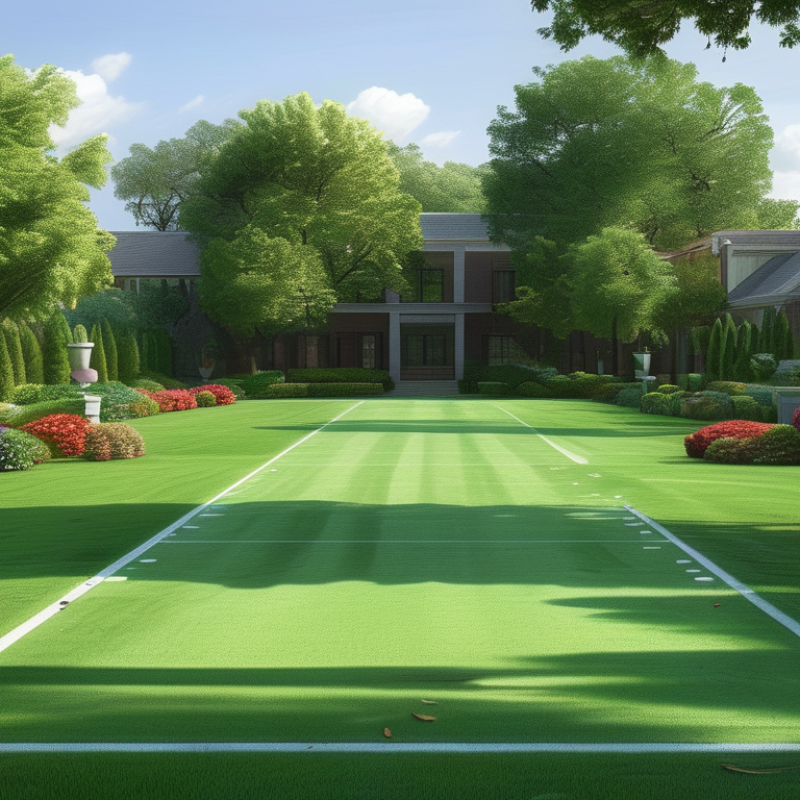
Advantages of Low Maintenance Requirements of Commercial Artificial Grass
Commercial artificial grass offers remarkable benefits, particularly in terms of maintenance. One of the most significant advantages is the minimal upkeep required. Unlike natural grass, which needs regular mowing, watering, and fertilizing, artificial turf requires very little attention. This can lead to substantial time and cost savings for businesses.
Installation of artificial grass means less time worrying about upkeep and more time enjoying its aesthetic appeal. Over time, the durability of synthetic grass reduces the frequency of replacements. Occasional rinsing to remove debris is often enough to keep it looking fresh. This ease of maintenance can be especially appealing for busy commercial spaces that prioritize efficiency.
However, some users find the initial investment a challenge. While the long-term savings on labor and resources are apparent, the upfront cost can deter decisions. It’s essential to weigh the benefits against these initial expenses. Understanding how artificial grass contributes to reduced maintenance can help in making informed choices. The benefits often become more evident over time as the need for upkeep fades.
Cost-Efficiency Over Time Compared to Natural Grass Solutions
Artificial grass presents a cost-efficient alternative to natural grass over time. While the initial investment may seem significant, the long-term savings are substantial. Commercial properties, parks, and sports fields benefit greatly from reduced maintenance costs. There’s no need for mowing, watering, or fertilizing. In places with water restrictions, this feature is especially valuable.
Furthermore, synthetic turf lasts many years without needing replacement. Natural grass often requires replanting due to wear and tear, particularly in high-traffic areas. The durability of artificial grass minimizes the need for frequent repairs. Yet, one should be mindful of installation expenses that can vary. A poorly laid surface can lead to issues like drainage problems.
Even with the savings, some property managers may underestimate the initial costs. It can lead to unexpected budget strains. It's crucial to analyze the long-term impact comprehensively. Evaluating the total cost of ownership offers clearer insights. In sum, while synthetic turf offers cost benefits, careful planning ensures those advantages are fully realized.
Top 10 Benefits of Commercial Artificial Grass: Cost-Efficiency Over Time Compared to Natural Grass Solutions
Enhanced Aesthetic Appeal for Commercial Properties with Artificial Turf
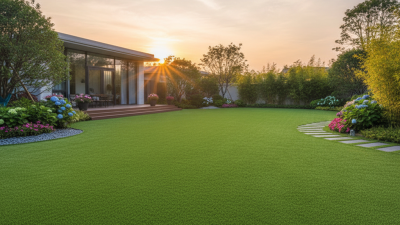
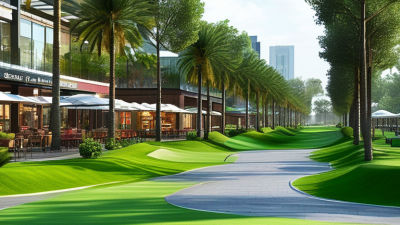
Artificial grass offers a unique opportunity to enhance the aesthetic appeal of commercial properties. The vibrant green color of synthetic turf creates an inviting atmosphere, attracting customers and improving brand perception. Unlike natural grass, artificial turf remains lush year-round, ensuring a consistently attractive look. This reliability can lead to increased foot traffic and higher customer engagement.
Consider the landscaping elements surrounding your artificial turf. Well-placed planters and seating areas can create a cohesive and inviting space. Using contrasting colors and textures adds visual interest. It’s essential to think beyond merely laying down turf. Imagine how it complements the overall design of your property.
Another aspect to keep in mind is maintenance. Artificial grass requires less upkeep, which saves time and resources. However, it’s crucial to regularly inspect and clean the turf to maintain its appeal. Neglecting these tasks could lead to a less polished appearance over time. Remember, a well-maintained outdoor area reflects your commitment to quality.
Environmental Benefits of Using Commercial Artificial Grass
Artificial grass is increasingly popular for its environmental benefits. One of the most significant advantages is water conservation. Traditional lawns require constant watering, leading to a substantial waste of this precious resource. In contrast, commercial artificial grass needs no water, offering a sustainable solution for arid regions.
Furthermore, artificial grass reduces the need for harmful pesticides and fertilizers. These chemicals can leach into the soil and nearby water sources, causing pollution and affecting local ecosystems. By opting for artificial grass, businesses can create a safer environment for wildlife and promote ecological health. The reduction of carbon emissions is another vital aspect. With no lawn mowers needed, artificial grass cuts down on air pollution and noise, contributing to a cleaner atmosphere.
While the upfront installation cost may deter some, the long-term savings in maintenance and water bills are considerable. However, the environmental impact of producing artificial grass can raise questions. The materials used must be sustainably sourced to maximize benefits. It's crucial to weigh both the advantages and potential downsides when considering this option. Balancing these factors can lead to a more informed and responsible choice.
Top 10 Benefits of Commercial Artificial Grass You Should Know
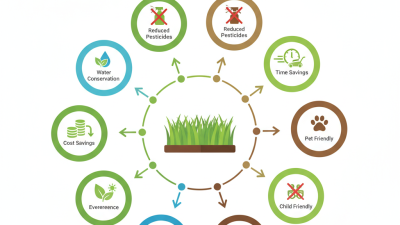
| Benefit |
Description |
| Water Conservation |
Reduces the need for watering, saving thousands of gallons of water annually. |
| Reduced Maintenance |
Lower costs on lawn maintenance with no mowing, fertilizing, or pesticides required. |
| Durability |
Withstands heavy foot traffic and use without fading or deteriorating. |
| All-Weather Usability |
Provides a usable surface in various weather conditions without mud or puddles. |
| Sustainability |
Made from recyclable materials, contributing to a more sustainable environment. |
| Pest Control |
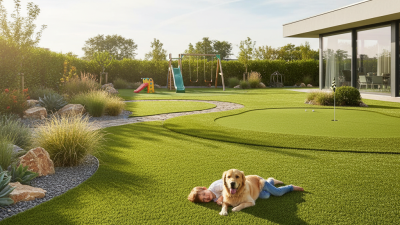
Eliminates the need for pesticides, creating a safer environment for children and pets. |
| Consistent Aesthetics |
Maintains vibrant green color and appearance year-round. |
| Increased Property Value |
Enhances the overall appeal of commercial properties, potentially increasing value. |
| Safety |
Reduces the risk of slips and falls compared to natural grass. |
| Versatile Applications |
Suitable for a wide range of settings including parks, playgrounds, and sports fields. |
Durability and Longevity of Commercial Artificial Grass in High Traffic Areas
Commercial artificial grass has gained traction in high traffic areas. Its durability and longevity make it an ideal choice for settings like sports fields, playgrounds, and event venues. According to industry reports, synthetic turf can last up to 15 years with proper maintenance. This exceptional lifespan is a major advantage over natural grass, which often struggles in heavily used spaces.
One of the standout features of commercial artificial grass is its resistance to wear and tear.
Research indicates that high-quality turf can withstand over 2,000 hours of UV exposure without significant degradation. This means that colors remain vibrant even after years of sun exposure. Additionally, synthetic grass is designed to bounce back quickly from heavy foot traffic, maintaining its appearance and functionality.
Despite these advantages, it's important to consider the environmental impact. While artificial grass reduces the need for water and pesticides, it may not be biodegradable. This raises questions about its long-term sustainability. Users should weigh these factors when deciding on artificial grass for their projects. Balancing immediate benefits with ecological considerations is crucial in making informed choices.

 +86 19005411400+86 15006803065
 Contact Phone
 Contact Email