Why Choose Commercial Artificial Grass for Your Business Needs?
In today's competitive business landscape, making the right choices for your company is crucial. One such choice is the use of Commercial Artificial Grass. This innovative solution offers numerous benefits for various business types, from enhancing aesthetics to improving functionality. Companies want to create inviting spaces that attract customers and boost employee morale.
Commercial Artificial Grass is durable and low-maintenance. It withstands heavy foot traffic while retaining its vibrant appearance year-round. Think about outdoor cafes, golf courses, and retail spaces. Each benefits from the lush look of artificial grass without the hassle of natural lawn upkeep. This option is not just practical; it also aligns with eco-conscious values.
However, some might worry about the initial investment. It's vital to weigh long-term savings against upfront costs. While artificial grass may seem expensive, the reduced water usage and maintenance costs might justify the price. Understanding these factors can empower businesses to make informed decisions. Knowing the pros and cons of Commercial Artificial Grass can significantly impact your investment strategy.
Benefits of Commercial Artificial Grass for Businesses
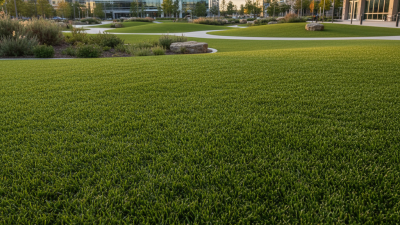
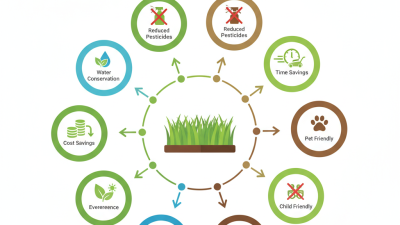
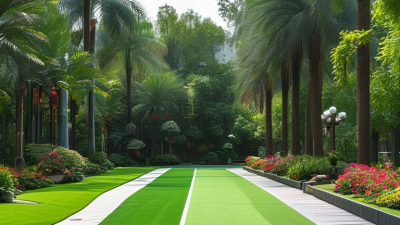
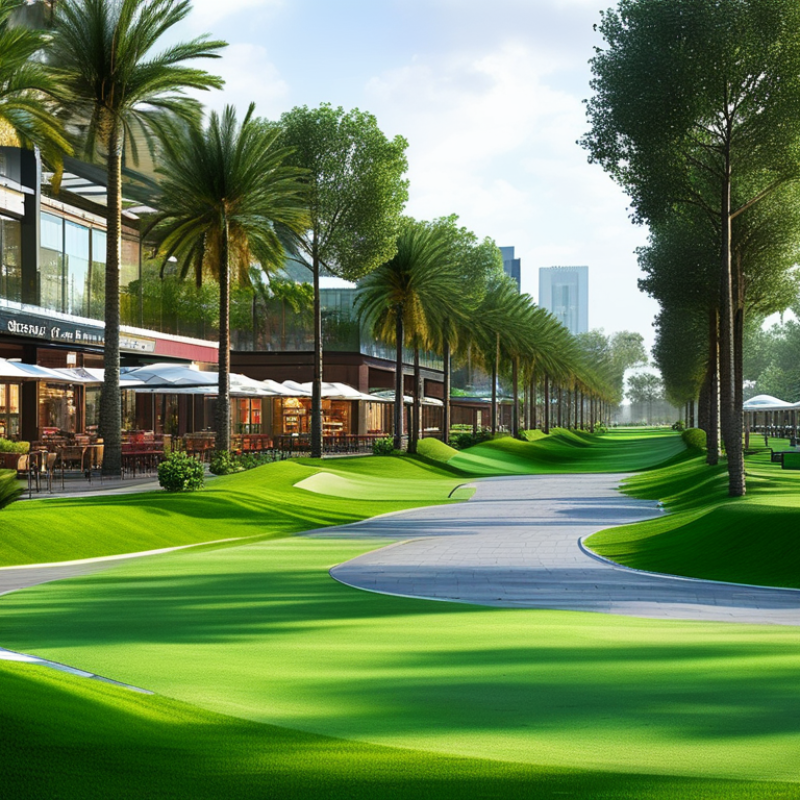
Commercial artificial grass offers numerous benefits that can significantly enhance business environments. It creates a vibrant and inviting atmosphere for clients and employees. The lush green appearance can improve the aesthetic appeal of any commercial space. Additionally, it requires minimal maintenance compared to natural grass. With no need for watering or mowing, businesses can save time and money. This is especially valuable for busy operations.
Durability is another major advantage. Commercial artificial grass can withstand heavy foot traffic without showing signs of wear. This resilience makes it suitable for various settings, including parks, event venues, and storefronts. However, some businesses may perceive the initial investment as a drawback. Although the upfront costs are higher, the long-term savings on maintenance often outweigh this concern.
Moreover, using artificial grass is environmentally friendly. It reduces water usage and eliminates the need for chemicals. Yet, some might question its sustainability. It’s crucial to choose grass that meets eco-friendly standards. An informed decision can foster trust with customers who value sustainability. The blend of beauty, practicality, and environmental responsibility makes commercial artificial grass a compelling choice.
Why Choose Commercial Artificial Grass for Your Business Needs? - Benefits of Commercial Artificial Grass for Businesses
| Benefit |
Description |
Applicable Industries |
| Low Maintenance |
Requires minimal upkeep compared to natural grass, saving on labor and resources. |
Retail, Hospitality, Parks |
| Aesthetic Appeal |
Provides a consistently green and tidy look that enhances the outdoor spaces. |
Real Estate, Events, Sports Facilities |
| Durability |
Resistant to wear and tear, ideal for high-traffic areas. |
Commercial Locations, Schools, Playgrounds |
| Water Conservation |
Eliminates the need for regular watering, contributing to lower water bills and environmental benefits. |
Corporate Campuses, Golf Courses |
| Safety Features |
Non-toxic and can be designed for slip-resistance, making it safer for children and pets. |
Playgrounds, Community Centers |
| Versatility |
Can be used in various outdoor and indoor applications based on project needs. |
Event Spaces, Fitness Facilities, Residential |
Durability and Maintenance of Commercial Artificial Grass
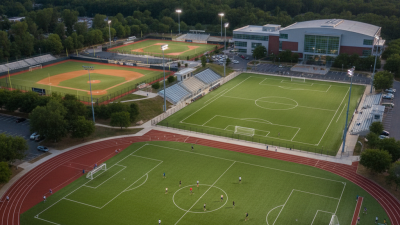
Commercial artificial grass offers significant advantages in terms of durability and maintenance. It is designed to withstand heavy foot traffic and adverse weather conditions. Reports indicate that high-quality artificial turf can last between 10 to 20 years, depending on usage and maintenance. Businesses in sectors like landscaping and sports often prefer this material due to its longevity.
Regular maintenance of commercial artificial grass is surprisingly minimal. A simple brushing and occasional rinsing can keep it in optimal condition. The cost of maintenance is also lower compared to natural grass. According to industry studies, maintaining natural grass can cost up to four times more annually than artificial options. This efficiency is especially appealing for businesses looking to cut operational costs while maintaining aesthetic appeal.
Nonetheless, some concerns do exist. While the initial investment in artificial grass may be higher, the return on investment can vary by location and usage patterns. Some businesses report challenges in temperature regulation, as synthetic surfaces can heat up more than natural grass. Evaluating these factors is critical for any organization considering this option.
Cost-Effectiveness Over Time for Business Owners
Investing in commercial artificial grass can be a game-changer for business owners. One main advantage is cost-effectiveness over time. While the initial installation may appear expensive, the long-term savings are significant. Natural grass requires frequent mowing, watering, and fertilization—all of which add up. Artificial grass eliminates these ongoing costs, providing a reliable and low-maintenance alternative.
Maintenance-free surfaces mean that business owners can focus on their operations instead of lawn care. This enhances productivity and allows resources to be allocated elsewhere. Picture a bustling outdoor space where customers enjoy lunch on a sunlit patio. The bright, green turf enhances the environment, drawing in more clients without extra upkeep.
However, it’s important to consider the initial investment. Some may hesitate, feeling the upfront cost is daunting. Yet, many find that over three to five years, expenses for natural grass outweigh the synthetic option. It's worth examining individual situations to see if the switch makes sense. The choice depends on commitment to sustainability and cost efficiency for your specific business needs.
Cost-Effectiveness of Commercial Artificial Grass Over Time
Environmental Considerations of Choosing Artificial Grass
When considering artificial grass for commercial use, environmental impact is crucial. Many businesses seek sustainable options to appeal to eco-conscious customers. Artificial grass significantly reduces water consumption. This is particularly important in regions facing drought. Maintaining natural lawns requires regular irrigation, which can strain local water resources.
Moreover, artificial grass eliminates the need for harmful pesticides and fertilizers. These chemicals often seep into the soil and waterways, causing pollution. By choosing artificial solutions, businesses can lessen their environmental footprint. However, concerns about the materials used in manufacturing synthetic grass exist. Many products contain non-biodegradable substances that raise questions about long-term sustainability.
Additionally, the heat retention of artificial grass can be an issue. In sunny climates, it can cause higher temperatures in surrounding areas. Proper installation and maintenance can mitigate this effect. Despite its benefits, businesses must reflect on the trade-offs. Understanding the broader environmental implications of artificial grass is essential for making informed decisions.
Aesthetic Appeal and Brand Image Enhancement with Artificial Grass
The aesthetic appeal of commercial artificial grass can significantly enhance your brand image. Research indicates that businesses with appealing landscapes can increase customer attraction by up to 30%. Vibrant, green artificial turf creates an inviting atmosphere. It signals a commitment to quality and attention to detail.
Moreover, a study by the National Association of Landscape Professionals found that 73% of consumers believe the environment of a business influences their decision to engage. Artificial grass offers consistency in look and feel, regardless of the season. This reliability is appealing to businesses aiming to maintain a polished image. However, careful installation and maintenance are crucial. Poorly laid grass can detract from a brand's professional image.
While artificial grass has clear benefits, it's essential not to overlook the environmental impact. Although many products use recycled materials, some implications for heat and drainage exist. An informed, balanced approach will help businesses maximize advantages while mitigating downsides. Evaluating both aesthetics and functionality will result in a more effective use of artificial grass.

 +86 19005411400+86 15006803065
 Contact Phone
 Contact Email