Best Playground Turf Options for Safe and Fun Play Areas?
Creating safe and enjoyable play areas is essential for children’s development. Experts emphasize the importance of selecting the right materials for playgrounds. One such expert, Dr. Emily Carter, a leading authority in playground safety, noted, "Quality Playground Turf can drastically reduce injuries and enhance play experiences."
When considering playground surfaces, Playground Turf stands out for its durability and safety features. It provides a soft landing for falls, protecting children from serious injuries. Additionally, its design allows for efficient drainage, which keeps the area safe even during rain.
However, choosing the right type can be challenging. Some types of Playground Turf may wear down quickly or require extensive maintenance. It's crucial to weigh the long-term benefits against these factors. Reflecting on these elements can lead to more informed choices, ensuring children’s play areas remain both fun and safe.
Understanding Playground Turf: Importance for Safety and Fun
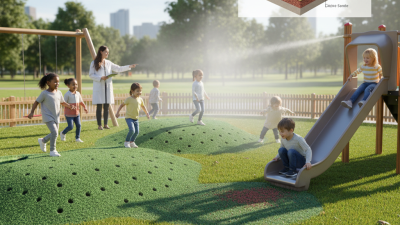
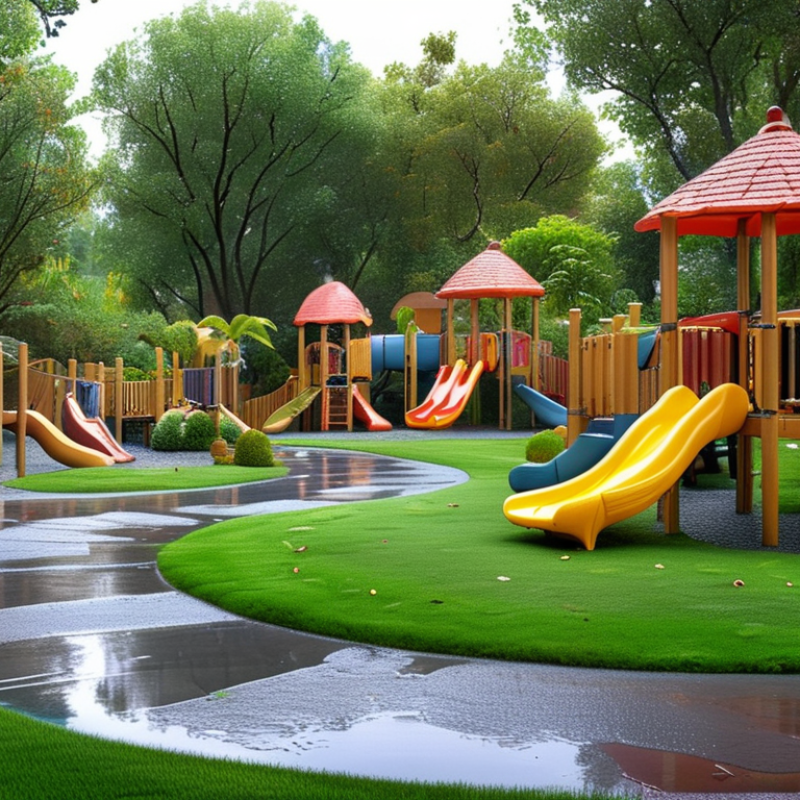
Playground turf plays a critical role in ensuring safety and enjoyment for children. Unlike traditional grass, modern turf options are designed with cushioning properties that significantly reduce injuries. According to the American Society for Testing and Materials (ASTM), turf that meets certain safety standards can lower the risk of severe injuries by over 60%. This data highlights the importance of investing in high-quality materials.
Another study published by the National Recreation and Park Association (NRPA) found that 70% of parents prioritize safety features when choosing play areas for their children. Soft, impact-absorbing surfaces can be especially beneficial in reducing the risk of falls. Yet, not all turf is created equal. Some synthetic options may not provide adequate cushioning, leading to potential hazards.
It’s essential to consider durability as well. In areas with heavy foot traffic, low-quality turf may wear down quickly, making it ineffective. Regular maintenance is required to preserve its condition. While synthetic turf offers many advantages, it also raises questions about sustainability and environmental impact. These concerns shouldn’t be overlooked when designing safe and fun play areas.
Playground Turf Options: Safety and Fun Comparison
Types of Playground Turf: An Overview of Popular Options
When selecting playground turf, it's essential to understand the various types available. One common option is artificial grass, known for its durability and low maintenance. It can withstand heavy foot traffic and provides a consistent surface for play. However, some may find the heat retention of synthetic turf uncomfortable on sunny days.
Another popular choice is rubber mulch. This option offers excellent shock absorption, reducing the risk of injuries during falls. It is made from recycled tires, which may raise environmental concerns. Yet, its natural appearance blends well with outdoor settings, making it visually appealing.
Tips: Regularly inspect turf surfaces for wear. Check for uneven areas or loose materials that could pose a safety risk. Always clean up debris to maintain a safe play environment. Also, consider local climate conditions when choosing your turf type. Some materials perform better in extreme weather, affecting their longevity and safety.
Evaluating Durability and Maintenance of Playground Turf
When selecting playground turf, durability and maintenance play critical roles in ensuring safety and enjoyment. According to the International Play Equipment Manufacturers Association (IPEMA), high-quality turf options can last up to 15 years with proper care. Yet, many facilities overlook regular maintenance, which is crucial for preserving safety standards and aesthetics.
In a study conducted by the Synthetic Turf Council, it was reported that about 20% of turf installations required early repair due to inadequate maintenance practices. Missing required cleanings or failing to address irregular wear can compromise safety. Additionally, neglecting to check for contaminants like debris or organic materials can affect both player health and the turf’s longevity.
Patching and replacing sections of turf should be part of the routine upkeep. Facilities should also employ experts to assess general wear and tear. Such evaluations can prevent costly overhauls later. Understanding the relationship between maintenance efforts and the lifespan of turf will ultimately lead to safer play environments and sustained enjoyment for children.
Safety Standards and Certifications for Playground Turf
When selecting playground turf, safety should be the primary concern. The right turf protects children from falls and provides a comfortable surface for play. According to the American Society for Testing and Materials (ASTM), playground surfaces must meet specific impact attenuation standards. This ensures that materials can absorb enough energy to prevent serious injuries.
Many products are certified by organizations like the International Playground Equipment Manufacturers Association (IPEMA). These certifications guarantee that the turf meets or exceeds safety requirements. Playground surfaces must also undergo rigorous testing for slip resistance and durability. Research indicates that up to 70% of playground injuries are related to falls. This statistic underscores the importance of safe surfaces.
Selecting turf that meets these safety standards is crucial. Not all options are equal, and some may lack adequate protective qualities. It's vital to consider factors such as the material's infill system and thickness. Recent studies highlight that softer materials like rubber or synthetic fibers can significantly reduce injury risks. Still, ongoing assessments of turf performance are necessary, as wear and environmental factors can affect safety over time.
Installation Considerations for Optimal Playground Turf Performance
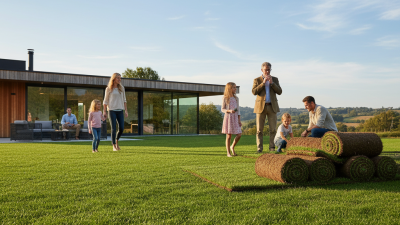
When installing playground turf, several crucial factors come into play. The proper installation technique ensures the safety and longevity of the turf. A well-prepared base is essential. Research indicates that about 70% of playground injuries occur on poorly maintained surfaces. Therefore, it is vital to understand the environment and ground conditions before installation.
The type of infill material matters significantly in performance. Studies show that eco-friendly options, such as organic infill, can reduce injuries related to falls. Many professionals recommend a depth of at least 12 inches for adequate shock absorption. However, achieving the right balance between cushioning and firmness can be challenging. Some installations may compromise durability for comfort.
Drainage is often overlooked but is a critical aspect of installation. Turf with proper drainage prevents water pooling, which can lead to surface wear and safety issues. Experts suggest using drainage mats to enhance performance. Consequently, ensuring that proper installation techniques are followed can elevate both safety and enjoyment in play areas.
Best Playground Turf Options for Safe and Fun Play Areas
| Turf Type |
Material |
Safety Rating |
Maintenance Level |
Installation Cost (per sq ft) |
| Engineered Wood Fiber |
Wood |
ASTM F1292 |
High |
$3 - $5 |
| Rubber Mulch |
Recycled Rubber |
ASTM F1292 |
Medium |
$6 - $9 |
| Artificial Turf |
Synthetic Fiber |
ASTM F1292 |
Low |
$5 - $10 |
| Natural Grass |
Grass |
No Standard |
High |
$2 - $4 |
| Pea Gravel |
Gravel |
ASTM F1292 |
Medium |
$1 - $3 |

 +86 19005411400+86 15006803065
 Contact Phone
 Contact Email