China Top 10 Artificial Lawn Grass Turf Options for Your Home and Garden?
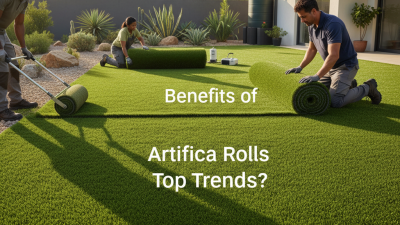
When transforming your outdoor space, the right choice of Artificial Lawn Grass Turf matters. With numerous options available, choosing the best turf can feel overwhelming. Each product has unique features that can enhance your garden's aesthetic and functionality.
Artificial Lawn Grass Turf offers a lush, green look year-round without the maintenance burden of natural grass. Imagine your children playing freely or hosting gatherings on a vibrant lawn without worrying about mud or dead patches. However, not all turfs are created equal. Some may fade quickly under the sun, while others might be less durable.
Understanding the different types of artificial turf can guide you towards making an informed decision. Be cautious of cheap options that may not last. Quality matters more than price alone. In the end, selecting the right turf is about balancing your needs with what is available. Explore your choices and envision your ideal home and garden transformation.
Types of Artificial Lawn Grass Turfs Available in China's Market
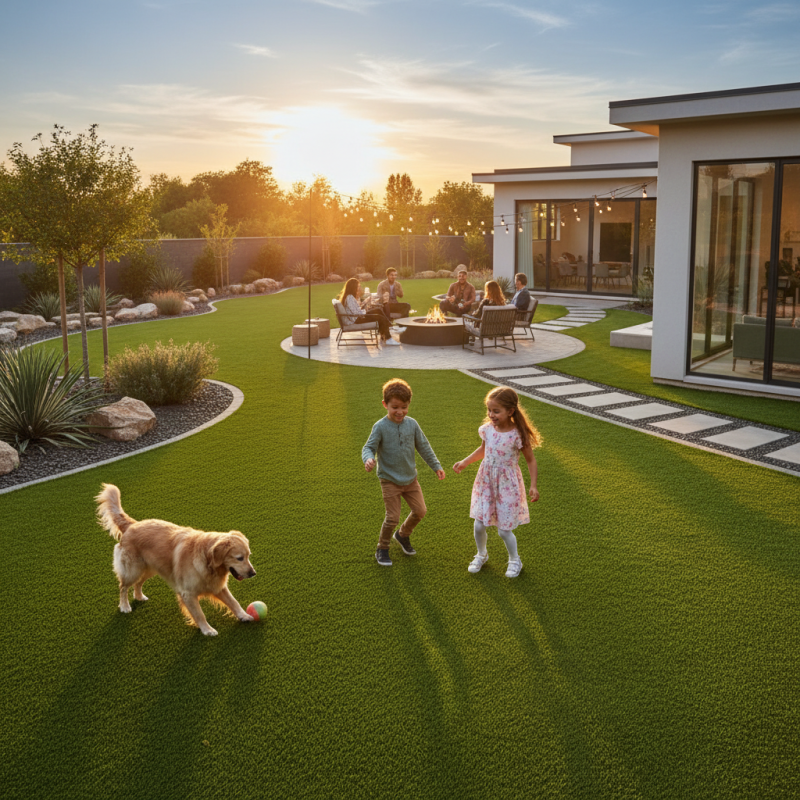
The artificial lawn grass market in China is rapidly expanding, catering to diverse consumer needs. Key types of artificial turf include polyethylene, polypropylene, and nylon. Each material offers unique characteristics suited for various preferences.
Polyethylene turf is the most popular choice. It mimics real grass with a soft, lush feel. According to recent market research, demand for polyethylene turf has surged, comprising over 60% of the artificial grass market in recent years. It is often chosen for residential gardens, playgrounds, and sports fields due to its durability and aesthetic appeal.
Polypropylene turf is another viable option. It is lightweight and cost-effective, serving well in low-traffic areas. However, its longevity lags behind polyethylene and nylon. Its affordable pricing attracts budget-conscious consumers. Nylon turf stands out for its strength and resilience. While pricier, it is excellent for high-traffic locations, such as sports facilities. Yet, its higher cost may deter some homeowners.
As the market evolves, consumers face decisions that require careful consideration. Style preferences, durability needs, and budget constraints play significant roles. Exploring various types ensures homeowners find the right fit for their outdoor spaces.
China Top 10 Artificial Lawn Grass Turf Options for Your Home and Garden
| Type |
Color |
Pile Height (mm) |
Durability |
Primary Use |
| Standard Turf |
Green |
30 |
5-10 years |
Residential Gardens |
| Premium Turf |
Dark Green |
40 |
8-15 years |
Commercial Areas |
| Soft Turf |
Light Green |
25 |
4-8 years |
Play Areas |
| Heavy Duty Turf |
Dark Green |
50 |
10-20 years |
High Traffic Areas |
| Multi-Purpose Turf |
Mixed Greens |
30 |
6-12 years |
Versatile Use |
| Bamboo Fiber Turf |
Natural Green |
35 |
5-10 years |
Eco-Friendly Gardens |
| Pet Turf |
Bright Green |
40 |
10 years |
Pet Areas |
| Golf Turf |
Lush Green |
25 |
7-12 years |
Putting Greens |
| Landscaping Turf |
Vibrant Green |
30 |
5-10 years |
Decorative Areas |
| Event Turf |
Green |
20 |
3-5 years |
Temporary Events |
Key Factors to Consider When Choosing Artificial Grass for Gardens
Choosing the right artificial grass for your garden is more complex than it seems. Begin by considering the
pile height. A taller pile offers a softer feel, making it comfortable for
children and pets. However, it may also require more maintenance and could be prone to flattening. A shorter pile,
on the other hand, tends to be more durable but may not provide the lush look some homeowners desire.
Another important factor is drainage. Look for turf with adequate
drainage systems. Poor drainage can lead to water pooling, which promotes weed growth and could damage the grass
over time. Additionally, consider the color and texture.
Selecting shades that mimic natural grass creates a realistic appearance. Combining different textures can enhance
visual appeal and make your garden feel more inviting.
Don’t overlook the importance of UV resistance. Artificial grass can fade
over time if not rated properly. Be cautious; not all products offer the same durability. Researching and comparing
options can save future headaches.
Take time to assess your needs before making a purchase. Reflect on your lifestyle and how you intend to use the space.
Comparative Analysis of Durability and Aesthetics in Turf Options
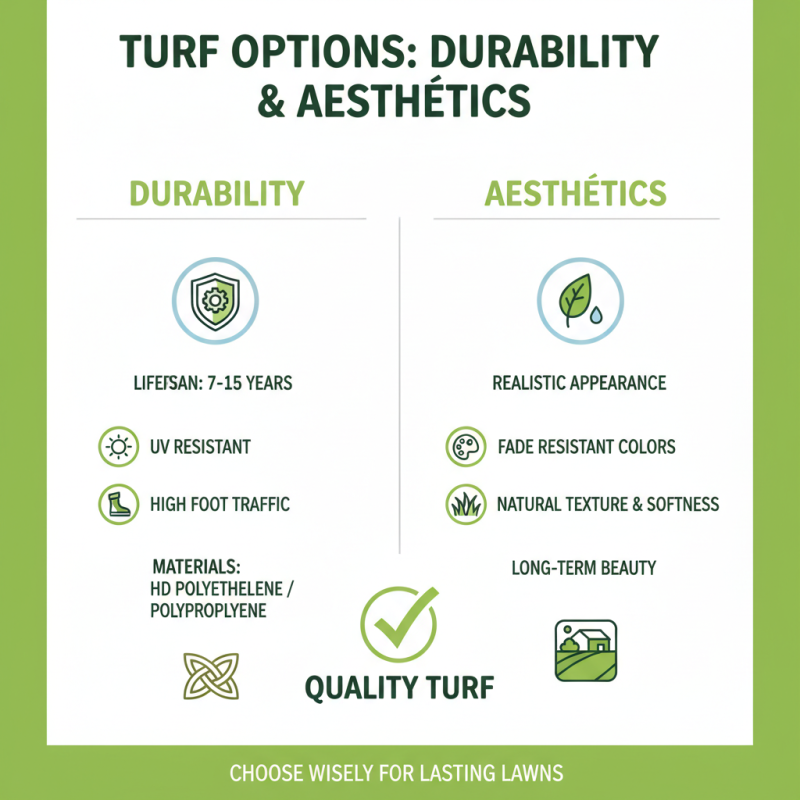
When choosing artificial lawn grass, both durability and aesthetics play crucial roles. Reports indicate that quality turf can last between 7 to 15 years, depending on factors like foot traffic and UV exposure. Durable options are crafted from high-density polyethylene or polypropylene, ensuring resistance to fading and wear. This durability is essential for homeowners seeking long-term solutions.
Aesthetic appeal is equally important. Modern artificial grasses come in various colors and textures, mimicking natural grass. Some surveys suggest that homeowners prioritize visual impact, with 70% rating appearance as a critical factor in their purchase decisions. Additionally, softer blades can enhance the feel underfoot, making spaces more inviting. A well-maintained surface not only contributes to beauty but also boosts property value.
However, not all turf products are created equal. Some cheaper options might look appealing initially, but they can lose color and texture over time. Evaluating the balance between cost and quality is necessary. Reading industry reports can reveal potential long-term costs associated with replacements. Good choices in this market consider both resilience and aesthetics, leading to satisfactory results.
Cost Evaluation: Installation and Maintenance of Artificial Grass
When considering artificial grass for your home or garden, cost plays a critical role. Installation costs can vary widely, generally ranging from $5 to $20 per square foot. This depends on the complexity of the project and the type of turf selected. Additionally, preparation of the area, such as removing existing grass, can increase costs. Ultimately, you might face higher initial expenses compared to natural grass.
Maintenance costs are typically lower than that of natural grass. Artificial turf requires minimal upkeep. Regular rinsing and brushing help maintain its appearance. However, some people overlook specific details, like dealing with pet odor or debris. These issues need attention for a lasting product. You should also consider the long-term durability of the material used, as cheaper options may lead to higher replacement costs down the line. So, it’s vital to evaluate what you truly need before making a decision.
Environmental Impact and Sustainability of Artificial Lawn Products
Artificial lawn grass turf offers a low-maintenance alternative for homeowners and gardeners. However, the environmental impact and sustainability of these products should be carefully considered. Research shows that many artificial grasses are made from non-biodegradable materials, which can contribute to landfill waste. According to a recent report by the Environmental Protection Agency, an estimated 60 million pounds of synthetic turf end up in landfills each year in the U.S. alone. This raises concerns about long-term sustainability and responsible disposal.
While many artificial lawns claim to be environmentally friendly, not all products are created equal. Their production often involves significant energy consumption and greenhouse gas emissions. Some manufacturers indicate that their turf is made from recycled materials, but verifying the percentage and sourcing can be challenging. On top of that, the water usage for cleaning and maintaining synthetic lawns is frequently overlooked.
Tip: When choosing artificial turf, look for verified sustainability certifications. This can help ensure you're making a more environmentally conscious decision.
Another consideration is the heat retention of artificial grass. Studies have shown that synthetic turf can increase surface temperatures significantly, creating a heat island effect. This not only impacts local biodiversity but can also increase energy consumption in nearby buildings due to cooling requirements.
Tip: Explore options for installing shade-providing structures around the turf. They can help mitigate heat accumulation and improve your outdoor space's overall sustainability.
Environmental Impact and Sustainability of Top 10 Artificial Lawn Grass Turf Options

 +86 19005411400+86 15006803065
 Contact Phone
 Contact Email