Exploring the Benefits of Artificial Grass Rolls in 2026 Top Trends?
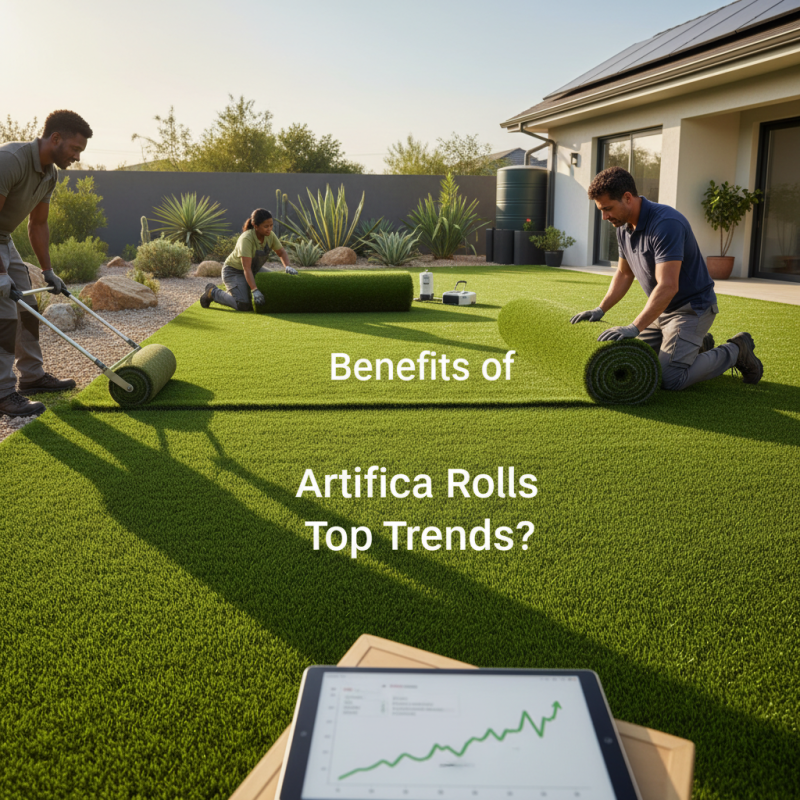
As we delve into the trends of 2026, "Artificial Grass Rolls" are gaining increasing attention. The market for artificial grass is projected to reach $6.8 billion by 2027, according to the latest report by Market Research Future. This growth reflects an expanding interest in sustainable landscaping solutions.
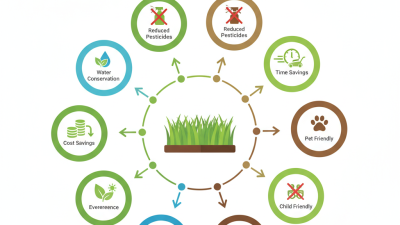
Artificial Grass Rolls offer numerous benefits. They provide a green, lush appearance year-round, even in drought-prone areas. This is key as nearly 50% of U.S. households have opted for low-maintenance landscapes. Such choices often yield significant water savings, translating to lower utility bills and an eco-friendly home.
However, the adoption of artificial grass is not without its challenges. Some users question the long-term environmental impact of synthetic materials. Concerns about heat retention and potential drainage issues have been raised. Addressing these matters will be crucial for wider acceptance in the coming years. Thus, understanding the implications of "Artificial Grass Rolls" is essential in today's landscape industry.
Benefits of Artificial Grass Rolls for Residential Use in 2026
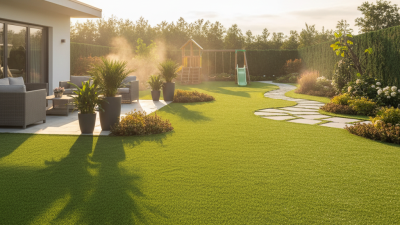
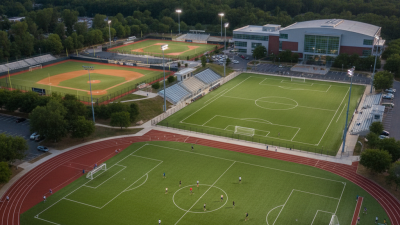
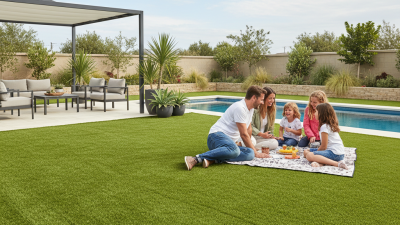
In 2026, the trend of using artificial grass rolls for residential areas continues to grow. Homeowners are drawn to its many benefits, including low maintenance and long-lasting durability. According to a recent industry report, over 40% of homeowners are opting for artificial grass due to its ability to withstand various weather conditions. This makes it a suitable choice, especially in regions with extreme climates.
Artificial grass rolls can save homeowners money. With an estimated reduction of up to 70% in water usage, families can significantly cut their water bills. The initial investment may be high, but the long-term savings are undeniable. Additionally, it eliminates the need for fertilizers and pesticides, resulting in a safer environment for children and pets. Reports show that 60% of consumers consider environmental impact when choosing their lawn solutions.
**Tip:** When installing, consider the drainage system. Proper drainage prevents water accumulation and prolongs the grass lifespan.
Another factor to consider is the appearance. Despite the advancements in technology, some artificial grass can look overly uniform or unnatural, leading to dissatisfaction. Research shows that about 25% of homeowners have concerns about how realistic artificial grass appears. Choosing a variety with varied blade lengths can enhance its visual appeal.
**Tip:** Select options that replicate natural grass textures. This will create a more authentic look and feel in your yard.
Exploring the Benefits of Artificial Grass Rolls in 2026 Top Trends
| Benefit |
Description |
Environmental Impact |
Cost Efficiency |
| Low Maintenance |
Artificial grass requires less mowing and watering compared to natural grass. |
Reduces water usage and promotes sustainable landscaping practices. |
Saves on lawn maintenance costs over time. |
| Durability |
Can withstand heavy foot traffic and extreme weather conditions without fading. |
Lowers the need for replanting and reducing waste in landfills. |
Offers a long-term investment return due to its longevity. |
| Aesthetics |
Provides a lush green appearance year-round. |
Contributes to cleaner air and CO2 reduction compared to traditional lawns. |
Improves property value with beautiful, consistent landscaping. |
| Safety |
Provides a soft surface that reduces injury risk during falls. |
Helps prevent soil erosion and promotes healthy ground water absorption. |
Less expense on repair costs due to improved safety. |
Environmental Impact of Artificial Grass Rolls: A Sustainable Choice
The environmental impact of artificial grass rolls is increasingly important in today’s sustainable conversations.
Research indicates that natural grass requires about 55 gallons of water per square foot annually. In contrast, artificial grass eliminates this need, significantly reducing water consumption, crucial in areas facing drought challenges.
Moreover, artificial grass rolls are often made from recycled materials. A report by the Synthetic Turf Council states that approximately 30% of artificial turf is produced from recycled plastic. This aspect not only diverts waste from landfills but also conserves natural resources, contributing to a circular economy.
However, concerns exist regarding the heat retention of synthetic surfaces. Some studies suggest they can be significantly warmer than natural grass, raising questions about their use in certain climates.
Another factor to consider is the longevity of artificial grass. While it can last up to 15 years with proper maintenance, its disposal presents challenges. Recycling programs for old turf are still developing, and not all regions have access to these options.
Therefore, while artificial grass rolls can offer substantial environmental benefits, it’s essential to weigh them against these ongoing concerns.
Maintenance Advantages of Artificial Grass Rolls Over Natural Grass
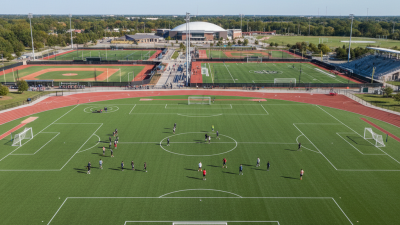
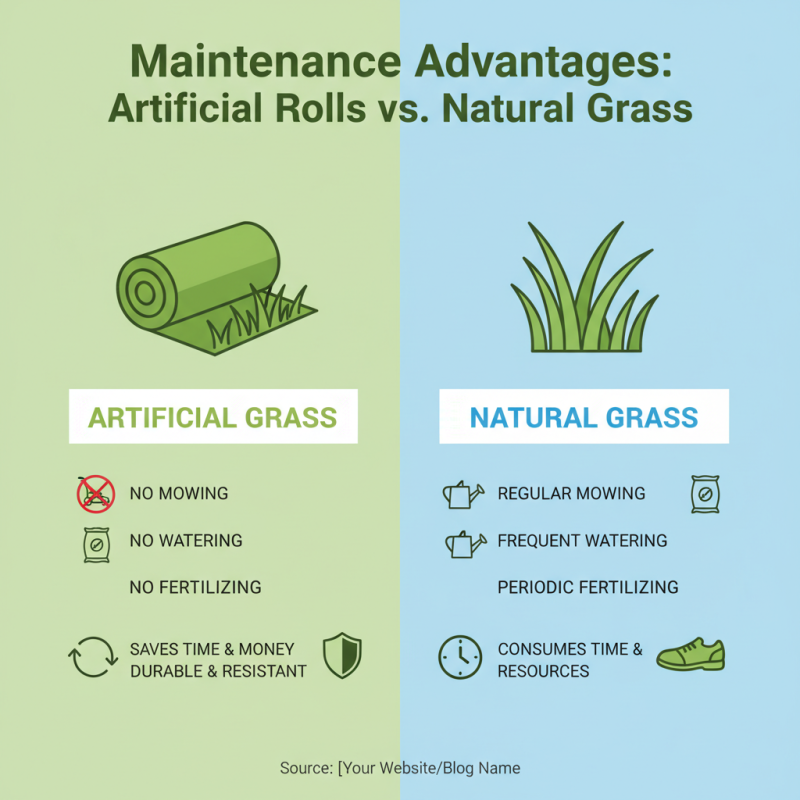
Artificial grass rolls are gaining popularity in landscaping and sports fields. One major advantage is the low maintenance they require compared to natural grass. With artificial turf, there's no need for mowing, watering, or fertilizing. This can save homeowners significant time and resources. In addition, artificial grass is durable and can withstand heavy foot traffic without wearing down.
Maintaining artificial grass is straightforward. Regularly brushing the surface helps to keep the blades upright and free from debris. Using a leaf blower also removes leaves and small twigs. Unlike natural grass, there's no risk of pests like grubs or weeds that might require chemical treatments. However, it's important to clean spills promptly to maintain the appearance of the turf.
When considering artificial grass, reflect on your specific situation. How much time can you dedicate to yard upkeep? Do you have pets? While it can be a great fit, evaluating these factors will help in making a wise choice. Each lawn is different, and the benefits you gain from artificial grass might not outweigh the costs for everyone.
Cost-Effectiveness of Artificial Grass Rolls in Long-Term Landscaping
Artificial grass rolls have gained popularity in landscaping due to their cost-effectiveness. According to a 2023 industry report by the Synthetic Turf Council, installing artificial grass can save homeowners approximately 50% on water bills annually. This significant reduction enhances long-term financial sustainability. Maintenance costs also decrease since artificial turf requires minimal upkeep. No mowing or fertilizing is necessary, translating to further savings.
However, the initial investment can be high. Homeowners often wonder if the long-term benefits outweigh the upfront costs. A study from the University of Massachusetts suggests that while traditional lawns average $2,000 annually in maintenance, artificial grass can last up to 15 years, reducing long-term expenses. Yet, some installations may experience aesthetic fading or wear over time. It's essential to choose high-quality materials to ensure durability and visual appeal.
Cost-effectiveness isn't solely about savings. Artificial grass rolls provide an eco-friendly alternative. They eliminate the need for pesticides and chemical fertilizers, allowing for a healthier environment. Yet, as trends evolve, some may argue the need for natural landscapes could still hold their intrinsic value. Balancing cost with environmental considerations is crucial in making informed landscaping choices.
Trends in Design and Aesthetics with Artificial Grass Rolls in 2026
Artificial grass rolls are rapidly evolving in 2026. Their design and aesthetic appeal are becoming a focal point in landscaping. According to a recent report by the American Landscape Association, 45% of homeowners prefer artificial grass for its visual appeal and low maintenance. This trend highlights a shift towards eco-friendly alternatives.
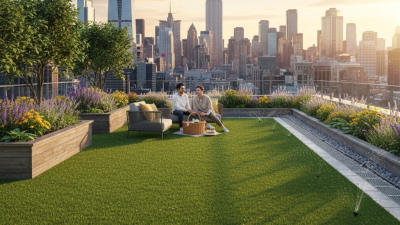
The aesthetics of artificial grass rolls go beyond mere green surfaces. Innovations now allow users to choose various textures and shades, enhancing the overall design. For instance, many now resemble natural grass types, making them more appealing. In urban settings, where space is limited, these rolls provide a vibrant alternative to traditional landscaping.
However, there are challenges to consider. Some users express concerns about the heat retention of artificial grass. In sunny areas, the surface can become extremely hot, which limits its usability. It's essential to weigh these factors when choosing artificial grass rolls for outdoor spaces. Keeping in mind both the aesthetics and the practical implications ensures an informed decision.

 +86 19005411400+86 15006803065
 Contact Phone
 Contact Email